

Chevrolet Express 3500 Turbocharger Boost Sensor Guide (1997-2003)
Keep your 6.5L diesel running strong by understanding the signs of a failing turbo boost sensor.
- A failing boost sensor on your 6.5L diesel will cause noticeable symptoms like black smoke, power loss, and a P0236 check engine code.
- Replacement is a simple, DIY-friendly job that takes less than 30 minutes with basic tools.
- A quality aftermarket brand like Standard Ignition is a reliable and cost-effective alternative to the more expensive OEM part for this specific sensor.
- When replacing the sensor, also inspect the vacuum lines for cracks, as they are a common failure point on these vans.
Symptoms of a Failing Boost Sensor
When the turbo boost sensor on your Express 3500 starts to fail, it can cause several noticeable problems. The sensor provides incorrect pressure readings to the engine's computer, leading to poor performance. You are the best judge of how your van is running, so pay attention to any new or unusual behaviors.
Common Failure Symptoms:
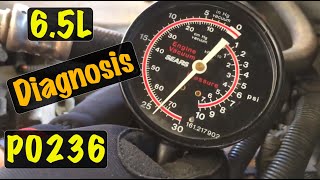
- Check Engine Light: A failing boost sensor will often trigger a Check Engine Light. The most common trouble code associated with this part is P0236. 🎬 Watch: How to diagnose a P0236 code and wastegate issues.
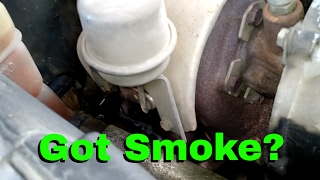
- Black Smoke from Exhaust: If the sensor incorrectly tells the computer there is more boost than there actually is, the computer will inject too much fuel. This unburnt fuel exits the exhaust as thick black smoke, especially during acceleration. 🎬 See why your 6.5 diesel might smoke under load.
- Loss of Power: Your van may feel sluggish or "doggy," particularly when trying to accelerate or climb hills. This happens because the computer may be limiting fuel or boost to protect the engine based on faulty sensor data.
- Poor Fuel Economy: When the fuel mixture is incorrect due to bad sensor data, your engine's efficiency drops, and you'll notice you're filling up the tank more often.
- Turbo Surging or Erratic Boost: Some owners report feeling the turbo boost kick in and out unpredictably, especially once the engine is warm.
Choosing Your Aftermarket Replacement
For a straightforward sensor replacement like this, an aftermarket part offers excellent value. The 6.5L diesel engine has been around for a long time, and aftermarket companies have perfected reliable replacements.
Brand Tier: Standard Ignition
Standard Ignition (also known as Standard Motor Products or SMP) is a well-regarded aftermarket manufacturer that has been trusted by professional technicians for years. Their parts are designed to be direct-fit OE replacements, which means they should install without any modifications. They use quality materials and perform extensive testing to ensure reliability. For a part like the boost sensor on the 6.5L diesel, a brand like Standard Ignition is a dependable and cost-effective choice compared to a more expensive OEM part from the dealer. While some complex electronic parts benefit from using the original OEM version, owners and mechanics have found success with quality aftermarket boost sensors on these vans.
Part Cost Comparison
| Part Type | Estimated Cost |
|---|---|
| New OEM (ACDelco) | $95 - $115 |
| New Aftermarket (Standard Ignition) | $35 - $40 |
| Used OEM | $25 - $50 |
| Shop Labor | $50 - $100 |
Replacement Overview
Replacing the turbo boost sensor on the 6.5L diesel is a job most DIYers can handle. The sensor is located on top of the upper intake manifold, making it easy to access.
Pro Tip: Before starting, disconnect both negative battery cables. The sensor is held in by two small bolts (usually 8mm). When removing the old sensor, pull it straight up gently to avoid breaking the tip off inside the manifold. It's also a good idea to replace the small O-ring or seal at the same time; do not reuse the old one.
Frequently Asked Questions (FAQ)
Can I clean my old boost sensor instead of replacing it?
While some people attempt to clean electronic sensors, it is generally not recommended for a failed boost sensor. The internal components can fail electronically, which cleaning cannot fix. One owner noted that after trying to clean the original sensor, it failed completely. Given the low cost of a new aftermarket part, replacement is the most reliable solution.
Are there any recalls for the turbo boost sensor on my Express van?
There are no specific recalls for the turbocharger boost sensor on the 1997-2003 Chevrolet Express 3500. While there have been other recalls for this vehicle range, none directly address this part.
What other parts should I inspect when replacing the boost sensor?
A faulty boost sensor can sometimes be a symptom of another issue. It's wise to inspect the vacuum lines connected to the turbo system. The plastic and rubber lines can become brittle and crack over time, causing vacuum leaks that lead to boost problems. 🎬 Watch: How to check for a failed vacuum pump. Also, check the electrical connector for the sensor for any damage or corrosion.
Is the Turbo Boost Sensor the same as a MAP sensor?
Yes, on the 6.5L diesel engine, the terms Turbocharger Boost Sensor and Manifold Absolute Pressure (MAP) Sensor refer to the same part. It measures the air pressure inside the intake manifold after the turbo has compressed it.
Helpful Videos
Technical Specifications
OEM Part Numbers: 16254539 12569241 16172000 16009886 16038012
The sensor for the 1997-2003 Express 3500 with the 6.5L diesel typically has a 3 or 4-pin rectangular electrical connector and mounts directly to the upper intake manifold.
We Have This Part in Stock


The information in this article is provided for general reference and educational purposes only. Vehicle specifications, procedures, and part compatibility can vary by production date, trim level, and region. Always consult your vehicle's factory service manual and verify part numbers before purchasing or performing repairs. Safety-critical components such as airbags, seat belts, and braking systems should be installed by a qualified professional.
- Chevrolet Express 3500: