

1997-2003 Dodge Dakota Hazard Flasher and Turn Signal Guide
If your turn signals or hazard lights are failing, the problem is often a single, easy-to-replace part.
- The turn signals and hazard lights on the 1997-2003 Dakota are controlled by a single, plug-in combination flasher relay.
- Failure symptoms include lights not working at all, staying on solid, or working intermittently.
- The flasher is located under the driver's side dash, above the parking brake, and is a simple part to replace for a DIYer.
- Before replacing the flasher, always check for burned-out bulbs and blown fuses first, as these can cause similar issues.
Is Your Dakota's Flasher Failing?

When the turn signals or hazard lights on your 1997-2003 Dodge Dakota stop working correctly, the issue often points to the combination flasher relay. This small, plug-in part is the brain behind your blinking lights. Because it controls both systems, a single failure can affect both your ability to signal turns and to warn other drivers in an emergency. Common symptoms often appear suddenly and can be intermittent at first.
Check Fuses and Bulbs First
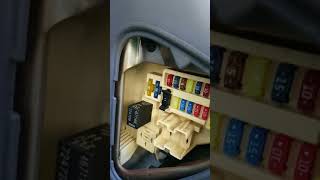
Before assuming the flasher has failed, always check the simple things. A burned-out bulb can cause the turn signals to flash rapidly (hyper-flash) on one side. Also, check the related fuses in the fuse panel to make sure they haven't blown. If bulbs and fuses are good, the flasher relay is the next logical part to inspect.
Common Symptoms of a Bad Flasher

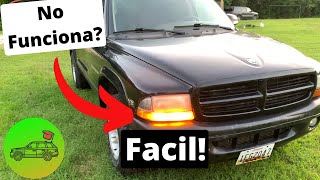
- No Turn Signals or Hazard Lights: The most obvious sign is when neither the turn signals nor the hazard lights work at all. 🎬 See how a relay fix restores signals and hazards.
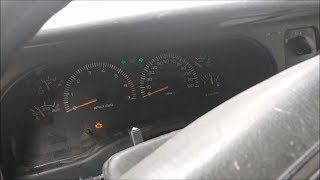
- Lights Stay On Solid: You might activate the turn signal, and the light on the dash and the exterior bulb simply stay lit without flashing. 🎬 Watch this troubleshooting guide for indicators that won't flash.
- Intermittent Operation: The signals may work sometimes and not others. Tapping on the relay or the area under the dash might temporarily make them work again, pointing to a failing component.
- Turn Signals Work but Hazards Don't (or vice-versa): Even though it's a combination unit, it's possible for one function to fail while the other still works, at least for a while.
- Strange Electrical Behavior: In some cases, a failing flasher or related multifunction switch can cause other electrical issues, like wipers or alarms activating when a turn signal is used.
Choosing the Right Aftermarket Flasher

For the 1997-2003 Dodge Dakota, the flasher is a common replacement item. Aftermarket brands offer a cost-effective alternative to OEM parts without a significant compromise in quality for this component.
Standard Ignition (Standard Motor Products): Standard is a well-regarded aftermarket manufacturer that has been around for decades. Their parts are known to be reliable replacements that meet or exceed original equipment specifications. For a part like a flasher relay, a Standard Ignition product is a dependable choice that offers good value and performance. Many professional technicians trust and use this brand for everyday repairs.
Estimated Part Costs
| Part Type | Estimated Cost |
|---|---|
| New OEM (Mopar) | $60 - $170+ |
| New Aftermarket (Standard Ignition) | $109 - $143 |
| Used OEM | $20 - $50 |
A Note on Part Terminology
Don't get confused by the terminology. The part you need is often called a "Combination Flasher," "Flasher Relay," or simply "Flasher." Some owners may confuse this with the multifunction switch (the turn signal stalk itself), which is a more complex and expensive part. For the symptoms described here, the small, plug-in flasher relay is almost always the culprit.
Known Issues, Recalls, and TSBs
While there are no direct recalls for the hazard flasher relay itself on the 1997-2003 Dakota, there was a recall for some 2001-2003 models (NHTSA ID: 03V389000) concerning the dashboard wiring harness. This harness could be damaged by the clutch pedal, leading to erratic operation of lights and turn signals. There was also a recall related to the stoplight switch on some 1999-2010 Dakotas (NHTSA ID: 16E001000), which could affect brake light operation but is separate from the flasher. The most common issue reported by owners in forums is simply the failure of the original combination flasher relay over time.
Frequently Asked Questions (FAQ)

Where is the hazard flasher located on a 1997-2003 Dakota?
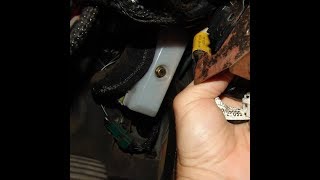
The combination flasher relay is located under the driver's side dashboard, typically above the emergency brake pedal and to the left of the steering column. It's a small, rectangular box (often green, black, or blue) plugged into a wiring block. It can be difficult to see without looking up from the floor.
Can I replace the hazard flasher myself?
Yes, this is a very easy DIY repair. No special tools are needed. You simply locate the old flasher under the dash, pull it straight out of its socket, and plug the new one in. It might be a tight fit, but the entire job can usually be done in under 15 minutes.
🎬 Watch this quick walkthrough to replace your flasher module.My turn signals work, but my hazard lights don't. Is it still the flasher?
Yes, it is very likely the flasher. The combination flasher has separate internal circuits for the turn signals and the hazard lights. It's common for one circuit to fail while the other continues to work for a short time before the entire unit fails completely.
Why do my lights sometimes work if I tap the dash?
If tapping the dashboard or the relay itself temporarily restores function, it's a classic sign of a failing relay. The internal connections are worn and making intermittent contact. This confirms that the relay is the problem and needs to be replaced.
Helpful Videos
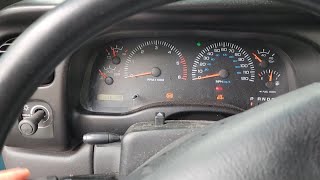
Technical Specifications
OEM Part Numbers: 56021915AA 56049114AC 56021551 56049114AB 2932877
Combination Flasher Relay for Turn Signal and Hazard Warning Lights. Typically uses a 5-pin or similar connector (e.g., EP27 type).
We Have This Part in Stock


The information in this article is provided for general reference and educational purposes only. Vehicle specifications, procedures, and part compatibility can vary by production date, trim level, and region. Always consult your vehicle's factory service manual and verify part numbers before purchasing or performing repairs. Safety-critical components such as airbags, seat belts, and braking systems should be installed by a qualified professional.
- Dodge Dakota: