

Ford E-150 Econoline (1997-2003) HVAC Blower Motor Resistor Guide
If your van's fan only works on the high setting, this guide is for you.
- The most common symptom of failure is the fan only working on the highest setting.
- The resistor is located under the hood behind the battery, which must be removed for access.
- Always inspect the wiring connector for melting or corrosion; it's a very common failure point on these vans and should be replaced with the resistor if damaged.
- An aftermarket kit that includes a new resistor and wiring pigtail is a highly recommended, cost-effective solution.
Is Your E-150's Fan Acting Up?
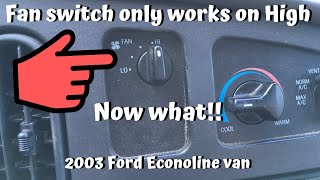
A failing blower motor resistor is one of the most common and straightforward repairs for the 1997-2003 Ford E-150 Econoline. The most classic sign of failure is when the fan only works on the highest speed setting. This happens because the 'high' setting bypasses the resistor entirely, sending full power directly to the blower motor. 🎬 See a demonstration of why the fan only works on high. The lower speeds (Low, Medium) require the resistor to be working. When it fails, those speeds stop functioning.
A Common Point of Failure: The Connector
Due to its location under the hood, the blower motor resistor and its electrical connector are exposed to moisture and heat. It is extremely common for the resistor to corrode and for the electrical connector to overheat, melt, or burn. Many aftermarket kits, like the Dorman 973-404, include a new resistor and a replacement wiring harness (pigtail) for this exact reason. Always inspect the connector when replacing the resistor. If it shows any signs of melting, discoloration, or damage, it must be replaced at the same time to ensure a lasting repair.
Choosing the Right Aftermarket Resistor
For a part like this on the E-150, you don't necessarily need to pay for a dealership OEM part. Aftermarket brands offer reliable quality, and many have designed their parts to address the common failure points. Aftermarket parts are widely available and are often sold in kits that include the necessary replacement connector.
Aftermarket Brand Tiers
- Tier 1 (Kits with Harness): Brands like Dorman are highly recommended for this specific repair because they often package the resistor with a new wiring pigtail. Given the high likelihood of a melted connector on these vans, buying a kit like the Dorman 973-404 is a smart, preventative measure.
- Tier 2 (Resistor Only): Brands like Standard Ignition (SMP), Four Seasons, and Global Parts offer quality direct-fit resistors. These are a good choice if you have inspected your van's wiring connector and confirmed it is in perfect condition. However, if you discover your connector is damaged after purchase, you will need to source one separately.
- Tier 3 (Value-Oriented): Brands like URO Parts, True Tech, and other private-label brands offer a budget-friendly solution. They can be effective, but pay close attention to build quality and warranty. For a part that costs less than $20, it is often worth spending a few extra dollars for a more reputable brand or a kit that includes the harness.
Pro Tip: Check the Blower Motor
A failing blower motor can draw too much electrical current, causing the new resistor to burn out prematurely. If your old resistor is severely burnt or has failed multiple times, it's a good idea to check the blower motor itself. With the motor running, feel for excessive vibration or listen for unusual noises. An old, worn-out motor is a common cause of repeat resistor failure.
Cost of Replacement
Replacing the blower motor resistor is an inexpensive repair, especially if you do it yourself. The primary cost is the part itself, with labor being minimal for a professional.
| Part/Service | Estimated Cost |
|---|---|
| New Aftermarket Resistor | $15 - $35 |
| New Aftermarket Resistor Kit (with harness) | $20 - $55 |
| New OEM Resistor | $28 - $45 |
| Shop Labor | $50 - $100 |
Frequently Asked Questions
Where is the blower motor resistor located on my 1997-2003 E-150?
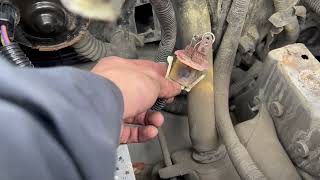
It is located in the engine compartment on the passenger side. You will find it mounted on the HVAC air box, right behind and slightly below the battery. 🎬 Watch this video to see exactly where the resistor is located. To access it, you will need to remove the battery and the battery tray.
Is this a difficult repair to do myself?
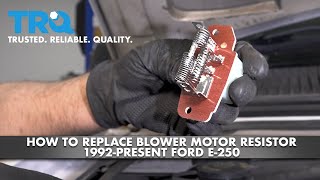
No, this is a very DIY-friendly job. The most time-consuming part is removing the battery and its tray to get access. The resistor itself is typically held in by two 8mm screws. 🎬 Follow this step-by-step walkthrough to replace the resistor yourself. If you need to replace the wiring connector, it will involve cutting the old wires and splicing the new connector in, usually with butt connectors. The entire job should take less than an hour for someone with basic tools.
My fan doesn't work on any speed. Is it the resistor?
While possible, it's less likely. A complete failure of the fan points towards other issues first. Check the fuse (Fuse #13 under the dash) and the blower motor relay under the hood. It could also be a failed blower motor or a bad fan switch in the dashboard. A resistor failure typically results in the fan only working on high, not a complete lack of function.
Are there any recalls for this part on my van?
No, there are no specific recalls for the blower motor resistor on the 1997-2003 Ford E-150 Econoline. Searches of NHTSA data show recalls for blower motor issues on much newer models (2026 model year) or for replacement service parts manufactured in specific 2019 date ranges, none of which apply to this vehicle generation.
Why did my replacement resistor fail after only a few days?
There are two very common reasons for this. First, the original wiring connector was likely damaged or melted, creating a poor connection that caused the new resistor to overheat. Second, the blower motor itself might be old and drawing too much amperage, which will quickly burn out a new resistor. Always replace the connector if it looks damaged and consider inspecting the blower motor if the resistor has failed more than once.
Helpful Videos
Technical Specifications
OEM Part Numbers: 4C2Z-19A706-AA F6UZ-19A706-AA
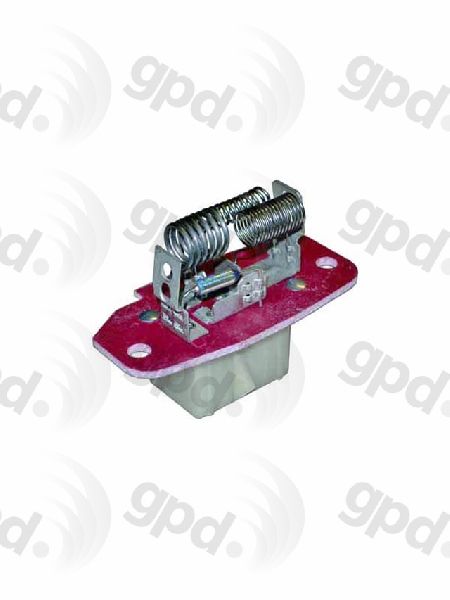
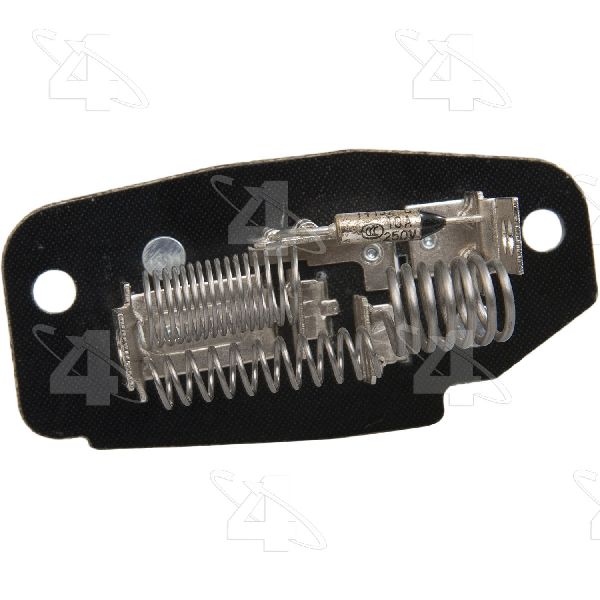
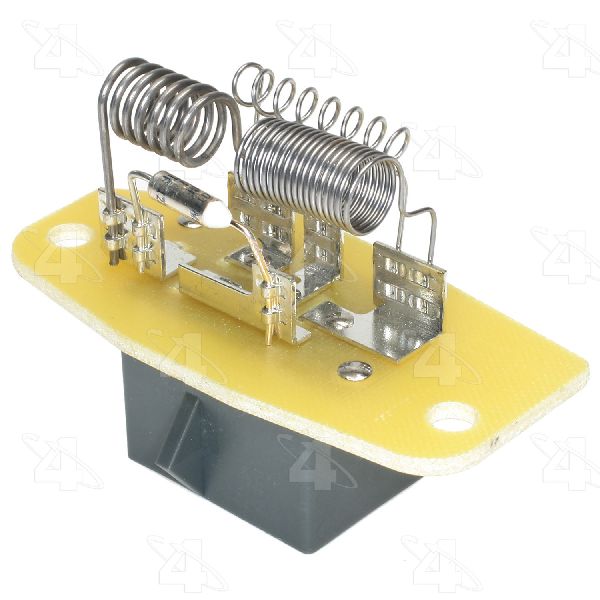
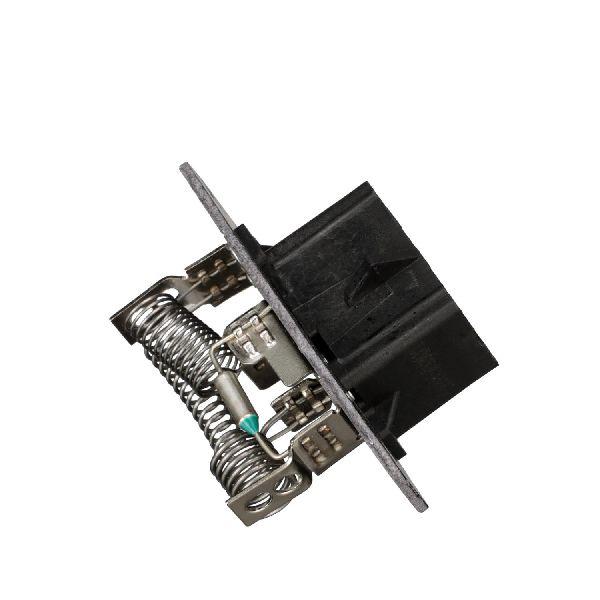
The part is a 4-terminal resistor designed for the front HVAC system. It is mounted in the engine bay on the passenger side HVAC housing. The replacement often requires two 8mm bolts for the resistor and a 13mm socket for the battery tray bolts.
We Have This Part in Stock


The information in this article is provided for general reference and educational purposes only. Vehicle specifications, procedures, and part compatibility can vary by production date, trim level, and region. Always consult your vehicle's factory service manual and verify part numbers before purchasing or performing repairs. Safety-critical components such as airbags, seat belts, and braking systems should be installed by a qualified professional.
- Ford E-150 Econoline: