

Ford E-150 Econoline Power Steering Pump Guide (1997-2003)
Is your Econoline van groaning when you turn? Here’s what you need to know before replacing your power steering pump.
- A whining noise when turning is the #1 sign of a failing power steering pump or low fluid.
- New aftermarket pumps (like PWR) are generally more reliable than remanufactured pumps (like Cardone or BBB) for this application.
- You must flush the old fluid and bleed the air from the system to protect the new pump and ensure quiet operation.
- Access is tight in the E-150 engine bay; removing the air intake housing is necessary for the replacement.
Is Your E-150's Power Steering Pump Failing?
The power steering pump on these Ford vans works hard. When it starts to fail, it usually gives you a few clear warning signs. Ignoring them can lead to a complete loss of power steering, which is a safety risk.
Key Failure Symptoms
- Whining or Groaning Noises: This is the most common symptom. You'll hear a whining sound from the front of the engine that gets louder when you turn the steering wheel. The noise might also change pitch as the engine RPMs go up and down.
- Stiff Steering: If turning the wheel suddenly feels like a workout, the pump isn't generating enough pressure. This can be especially noticeable when the van is moving slowly.
- Fluid Leaks: Look for puddles or drips of reddish-brown fluid under the front of your van. While hoses can leak, the pump itself has seals that can fail over time.
- Foamy or Dark Fluid: Check the fluid in the power steering reservoir. If it looks bubbly, foamy, or dark and dirty, it could mean air is getting into the system or the pump is failing internally.
Pro Tip: Before you assume the pump is bad, always check the power steering fluid level. Low fluid will cause whining and stiff steering. If it's low, top it off with the correct fluid type (check your owner's manual) and see if the symptoms improve. If they do, you have a leak that needs to be found.
Choosing a New Aftermarket Pump: Brand Quality Matters
For a vehicle like the 1997-2003 E-150, you have a choice between new aftermarket parts and remanufactured ones. The quality can vary a lot between brands, and many experienced mechanics have strong opinions.
New vs. Remanufactured:
- New Aftermarket: These pumps are made with 100% new components. Brands like PWR specialize in new pumps. This eliminates the risk of getting a part that was poorly rebuilt.
- Remanufactured: These are original (OEM) pump cores that have been taken apart, cleaned, and rebuilt with new seals and bearings. Brands like Cardone and BBB Industries are well-known for remanufactured parts. However, their quality can be inconsistent. Forum discussions are filled with stories of remanufactured pumps being noisy or failing right out of the box.
Brand Tiers for Your Econoline:
- Tier 1 (Good): PWR or other 100% New Pumps. PWR is generally seen as a reliable choice because their pumps are completely new, not rebuilt. This reduces the chance of issues common with remanufactured parts, though occasional noise complaints still happen.
- Tier 2 (Acceptable): Mapco. Mapco is a German brand known for making a wide range of parts that meet quality standards. While there are fewer direct reviews from van owners, they are generally considered a decent aftermarket option.
- Tier 3 (Use with Caution): Cardone & BBB Industries (Remanufactured). These brands are very common, but their remanufactured power steering parts have a mixed reputation. You might get a good part, or you might get one that fails quickly. If you choose this route, be prepared for the possibility of needing a warranty replacement.
Important: Many mechanics strongly advise against using remanufactured power steering pumps due to high failure rates. If your budget allows, a new aftermarket pump is often a safer bet for long-term reliability.
Known Issues for 1997-2003 Ford E-150
Searches for official recalls and Technical Service Bulletins (TSBs) from the NHTSA did not show any major patterns of power steering pump failure for the 1997-2003 E-150 generation. Later model year E-Series vans (2021-2022) had recalls for pressure line fittings, but this does not apply to the 1997-2003 models. Failures on these older vans are typically due to normal wear and tear over many years and miles.
Cost of Replacing the Power Steering Pump
Here is a general breakdown of what to expect for costs. Prices can vary based on your location and the specific brand you choose.
| Part/Service | Estimated Cost |
|---|---|
| New Aftermarket Pump | $80 - $317 |
| Remanufactured Pump | $80 - $150 (plus core charge) |
| Shop Labor | $183 - $269 |
| Total Professional Replacement | $304 - $427 |
Frequently Asked Questions (FAQ)
Can I replace the E-150 power steering pump myself?
Yes, it is possible for a DIY mechanic with the right tools. Access is tight in the Econoline engine bay. You will need to remove the air intake assembly to get to the pump. The job requires removing the serpentine belt, three or four mounting bolts, and the high-pressure and return hoses. The high-pressure hose fitting can be difficult to loosen. You will also need a special power steering pulley puller/installer tool if your new pump does not come with a pulley.
Do I need to flush the system when I replace the pump?
Yes, absolutely. Flushing out all the old, contaminated fluid is critical. Skipping this step can damage your new pump and may void its warranty. Old fluid contains tiny metal particles from the failing pump that will destroy the new one quickly.
Why is my new pump still whining?
If a new pump is making noise, it's usually because there is still air trapped in the system. After installation, you must bleed the system by raising the front wheels off the ground, filling the reservoir, and turning the steering wheel from lock to lock several times with the engine running. If the noise persists, it could be a sign of a defective pump.
Does the new pump come with a pulley?
It depends on the brand and part number. Some new pumps come with the pulley pre-installed, which saves a significant amount of work. Others do not. Always check the product details before buying. If you need to swap the pulley, you must use the correct puller/installer tool to avoid damaging the pulley or the pump.
Technical Specifications
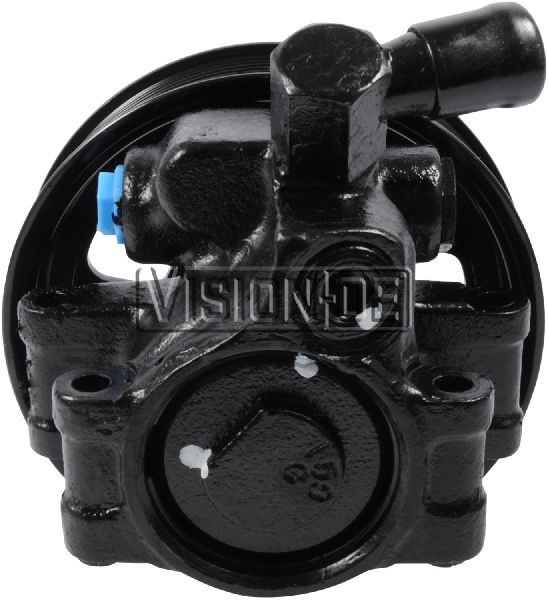
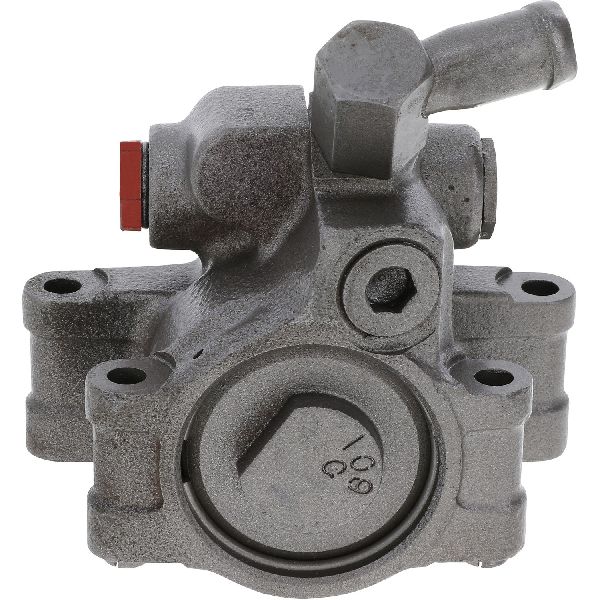
OEM Part Numbers: F7UZ3A674BARM F7UZ3A674CA F7UZ3A674CARM YL1Z3A674AA
Belt-driven hydraulic pump. Pulley may be separate or included. Requires specific power steering fluid (check owner's manual).
We Have This Part in Stock

The information in this article is provided for general reference and educational purposes only. Vehicle specifications, procedures, and part compatibility can vary by production date, trim level, and region. Always consult your vehicle's factory service manual and verify part numbers before purchasing or performing repairs. Safety-critical components such as airbags, seat belts, and braking systems should be installed by a qualified professional.
- Ford E-150 Econoline: