

Ford Expedition Engine Coolant Temperature Sensor: 1997-2003 Replacement Guide
Learn to spot the symptoms of a failing temperature sensor on your Expedition and choose the right replacement part.
- Symptoms include an erratic temp gauge, poor fuel economy, rough idle, and cooling fan issues.
- For reliability, choose an OEM (Motorcraft) sensor or a top-tier aftermarket brand like Delphi or NGK.
- The replacement is DIY-friendly and located on the intake manifold, though the alternator may need to be removed for access.
- Confirm you are replacing the correct part; your Expedition may have both an ECT and a CHT sensor.
Is Your Expedition's Temperature Sensor Failing?
A bad Engine Coolant Temperature (ECT) sensor can cause a surprising number of problems that might not seem related to engine temperature at first. Because the computer relies on its signal for so many adjustments, a faulty sensor can make your truck run poorly. One of the most common signs is the temperature gauge on your dashboard acting erratically—pegging to hot suddenly, not moving at all, or bouncing back and forth. Some owners report that this can even trigger a 'limp mode' where the engine power is drastically reduced to prevent damage, even if the engine isn't actually overheating.
Choosing the Right Aftermarket Sensor
When it comes to electronic sensors for your Expedition, part quality really matters. While many budget-friendly options are available, installing a low-quality sensor can lead to incorrect readings, causing the same problems to return or even creating new ones. This can make diagnosing the issue frustrating. Forum discussions among Ford owners often recommend sticking with the original equipment (OEM) manufacturer, Motorcraft, for critical sensors to ensure reliability.
If you opt for an aftermarket part, it's best to choose from reputable brands known for being OE suppliers or having higher quality control.
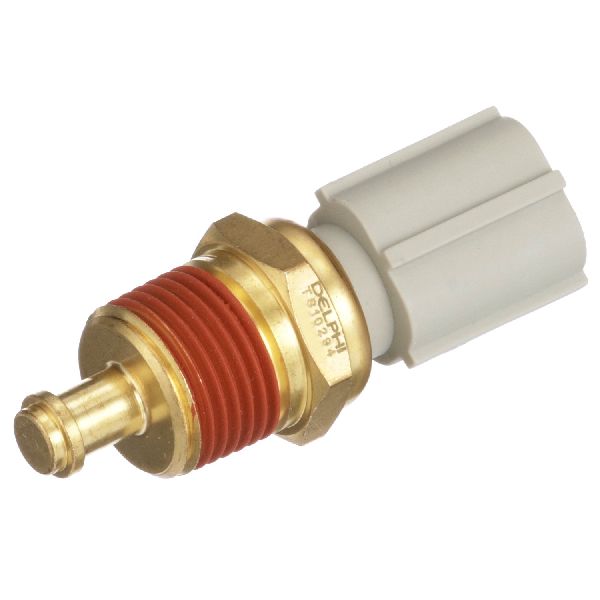
- Top Tier Aftermarket (Recommended): Brands like NGK and Delphi are often original equipment suppliers for many automakers and are generally considered reliable replacements. They are engineered to match the original part's performance, which is crucial for accurate temperature readings.
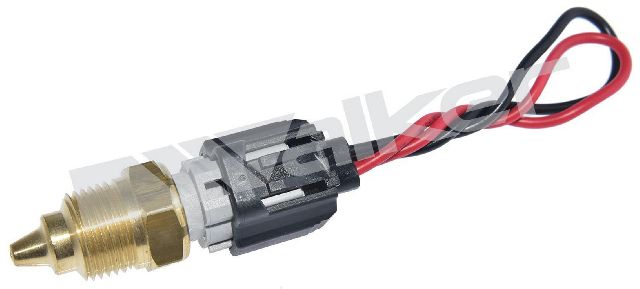
- Standard Aftermarket: Brands like Standard Ignition (SMP), Walker Products, Facet, and Holstein offer a balance of value and quality. While many of these parts work fine, some owners have reported issues with sensors from these brands being out of specification right out of the box, leading to continued problems.
- Economy Brands: Lower-cost brands may be tempting, but they carry a higher risk of premature failure or inaccurate readings. For a sensor this critical to engine management, saving a few dollars now could lead to more headaches and repair costs later.
Pro Tip: ECT vs. CHT Sensor
Your 1997-2003 Expedition may have two temperature sensors: the Engine Coolant Temperature (ECT) sensor and a Cylinder Head Temperature (CHT) sensor. The ECT is in direct contact with coolant, usually in the intake manifold. The CHT measures the temperature of the metal cylinder head. This guide focuses on the ECT sensor, which is the more common failure item for the symptoms described. Make sure you are replacing the correct sensor for your issue.
Installation Tips
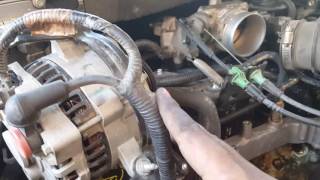
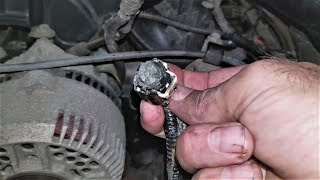
Replacing the ECT sensor on the 4.6L or 5.4L V8 is a manageable DIY job. The sensor is typically located on the front of the intake manifold in the coolant crossover passage. 🎬 See exactly where the ECT sensor is located on the engine. For easier access, you may need to remove the alternator. Always perform this repair on a cold engine to avoid being burned by hot coolant. A small amount of coolant will leak when you remove the old sensor, so have a catch pan ready and be prepared to top off the coolant afterward.
🎬 Watch this step-by-step guide to replacing the sensor yourself.| Brand Tier | Estimated Price Range |
|---|---|
| OEM (Motorcraft) | $25 - $70 |
| Top Tier Aftermarket (Delphi, NGK) | $20 - $55 |
| Standard Aftermarket (Various) | $12 - $35 |
Frequently Asked Questions
Can a bad coolant sensor prevent my Expedition from starting?
Yes, it can. A faulty sensor might incorrectly tell the engine's computer that the engine is extremely hot or cold, leading to a fuel mixture that is too rich or too lean for the engine to start properly.
🎬 Watch how a faulty sensor causes hard starts and no-starts.Why is my cooling fan always on or never turning on?
This is a classic symptom of a bad ECT sensor. If the sensor is stuck sending a "hot" signal, the computer will run the fans constantly to try and cool the engine. If it's stuck on a "cold" signal, the computer may never know to turn the fans on, which can lead to actual overheating.
What are the common OBD-II codes for a bad ECT sensor?
Common trouble codes include P0117 (Circuit Low Input), P0118 (Circuit High Input), and P0115 (Circuit Malfunction). These codes point directly to a problem with the ECT sensor or its wiring.
Is there a recall on the ECT sensor for the 1997-2003 Expedition?
No, searches of the National Highway Traffic Safety Administration (NHTSA) database show no specific recalls for the engine coolant temperature sensor on this generation of Ford Expedition.
Helpful Videos
Technical Specifications
OEM Part Numbers: F5AZ-12A648-A F65Z-10884-AA DY-1144
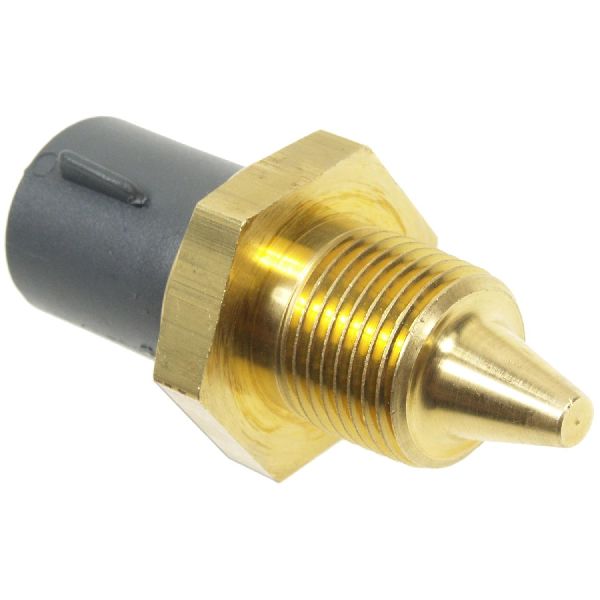
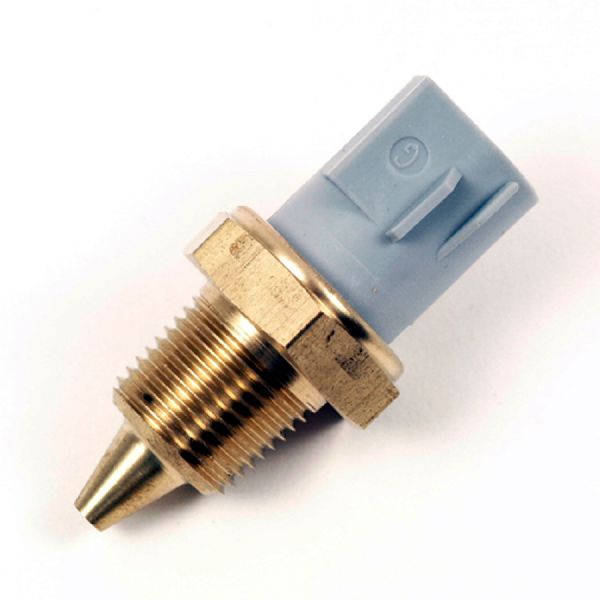
The sensor is a thermistor, meaning its electrical resistance changes with temperature. It typically has a 2-pin connector and threads into a coolant passage in the intake manifold.
We Have This Part in Stock


The information in this article is provided for general reference and educational purposes only. Vehicle specifications, procedures, and part compatibility can vary by production date, trim level, and region. Always consult your vehicle's factory service manual and verify part numbers before purchasing or performing repairs. Safety-critical components such as airbags, seat belts, and braking systems should be installed by a qualified professional.
- Ford Expedition: