

Ford Expedition Suspension Shock Absorber Guide (1997-2003)
Stop the bouncing and sagging—here's how to choose the right replacement shocks for your first-generation Expedition.
- First, determine if you have the standard coil spring suspension or the failure-prone rear air suspension.
- Converting a failed air suspension to a standard coil spring and shock kit is the most popular and cost-effective long-term repair.
- For a significant handling and towing upgrade, Bilstein 4600 shocks are the top-rated choice among owners.
- Replacing shocks is a manageable DIY project for many owners, requiring basic tools and saving on labor costs.
Is Your Expedition's Ride Getting Rough?
If your 1997-2003 Expedition feels more like a boat on a rough sea than a stable SUV, your shock absorbers are likely worn out. Shocks are a normal wear-and-tear item, and on a heavy vehicle like the first-gen Expedition, they can be completely worn by 100,000 miles. Replacing them restores the control and comfort you expect.
Common Symptoms of Bad Shocks
- Bouncy, Floating Ride: The vehicle continues to bounce up and down long after hitting a bump.
- Nose-Diving: The front end dips excessively when you brake.
- Body Roll: The vehicle leans heavily in turns, feeling unstable.
- Rear-End Squat: The back of the truck sags during acceleration.
- Uneven Tire Wear: Worn shocks can cause cupping or scalloping on your tires.
- Fluid Leaks: Oily fluid seen running down the body of the shock is a clear sign of failure.
A Note on Air Suspension
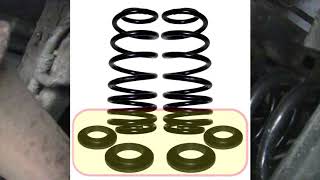
Many higher-trim 1997-2002 Expeditions (especially Eddie Bauer models) were equipped with a rear load-leveling air suspension. This system is notorious for failure, typically starting with leaks in the rubber air springs. This causes the rear of the SUV to sag dramatically and makes the air compressor run constantly until it burns out. Repairing the air system with OEM parts can be extremely expensive. Most owners choose to replace the entire system with a more reliable and affordable aftermarket conversion kit, which includes standard coil springs and new shock absorbers.
🎬 Watch: How to convert your air suspension to coil springs.Choosing the Right Aftermarket Shocks
When shopping for new shocks, the best choice depends on your budget and how you use your Expedition. Aftermarket parts offer a wide range of options, from basic replacements to significant performance upgrades.
Good: Budget-Friendly Replacements
These shocks are designed to restore the original ride quality at an affordable price. They are a good choice for daily driving if you're on a tight budget.
- Brands: Monroe, FCS Struts, PRT
- Assessment: Monroe is a well-known brand that offers an accessible price point. However, some owners find their shocks to be too soft or "mushy" for a heavy SUV, leading to a floaty ride and shorter lifespan compared to premium options. They are generally considered an entry-level replacement.
Better: Quality OEM-Style Upgrade
This tier offers a noticeable improvement over stock shocks without the high cost of performance brands. They provide a good balance of comfort and control.
- Brands: KYB
- Assessment: KYB is often considered a step up from budget brands and even the original factory shocks. They are known for providing OEM-like quality with a slightly firmer, more controlled ride that reduces body roll and nose-diving. Many owners find KYB to be a durable and reliable choice for daily driving and light towing.
Best: Performance & Heavy-Duty
If you tow, haul heavy loads, or simply want the best possible handling and stability, these shocks are worth the investment. They transform the way the Expedition drives.
- Brands: Bilstein, Rancho (higher-end models)
- Assessment: Bilstein shocks are overwhelmingly recommended by Expedition owners for a significant improvement in performance. The Bilstein 4600 series is a popular choice that provides a firmer, more controlled "truck-like" ride, greatly reducing sway and improving stability, especially when towing. While stiffer, they are praised for soaking up bumps effectively. Rancho's adjustable RS9000 series also receives positive reviews for its versatility. Avoid the budget-level Rancho RS5000, which is not well-regarded.
| Brand Tier | Price Range (Per Shock) |
|---|---|
| Good (Monroe, FCS, etc.) | $27 - $50 |
| Better (KYB) | $45 - $75 |
| Best (Bilstein, Rancho) | $90 - $150+ |
Pro Tip: Always replace shocks in pairs (both front or both rear) to ensure even handling and stability. Replacing all four at once will provide the most dramatic improvement.
Frequently Asked Questions (FAQ)
How do I know if my Expedition has air suspension?
Look at the rear suspension. If you see large, black rubber bags (air springs) between the axle and the frame, you have air suspension. You will also likely have a "Check Air Suspension" warning light on your dash if the system has failed. Standard suspensions use tall metal coil springs instead.
Is it difficult to replace Expedition shocks myself?
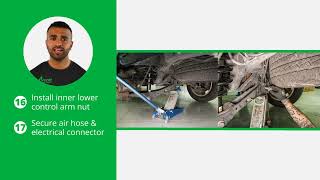
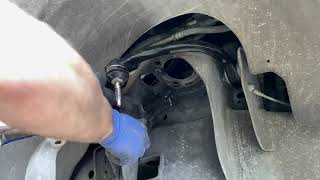
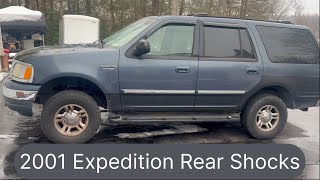
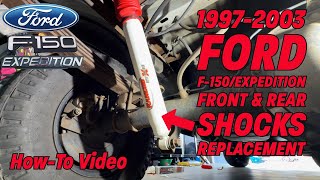
For a standard suspension (or one that has been converted), replacing the shocks is a relatively easy DIY job. The rear shocks are especially simple, held in by a bolt at the bottom and a nut at the top. 🎬 See this quick walkthrough for replacing the rear shocks. The front shocks can be a little tighter to access but still manageable with basic hand tools. 🎬 Watch: Step-by-step guide for replacing front and rear shocks. You do not need a spring compressor for a simple shock replacement on a coil spring suspension.
Can I just replace the shocks if my air suspension is sagging?
No. On an air suspension system, the rubber air spring is what holds the vehicle up, not the shock absorber. If your Expedition is sagging, the air springs have failed and must be replaced. The most common and recommended repair is to buy an air suspension conversion kit that includes new coil springs and new shocks.
Which brand is better, Bilstein or KYB?
It depends on your needs. Bilstein provides a significant handling upgrade and is superior for towing and heavy use, resulting in a firmer ride. KYB offers a comfortable, controlled ride that is a solid improvement over stock for daily driving and is more budget-friendly.
Helpful Videos
Technical Specifications
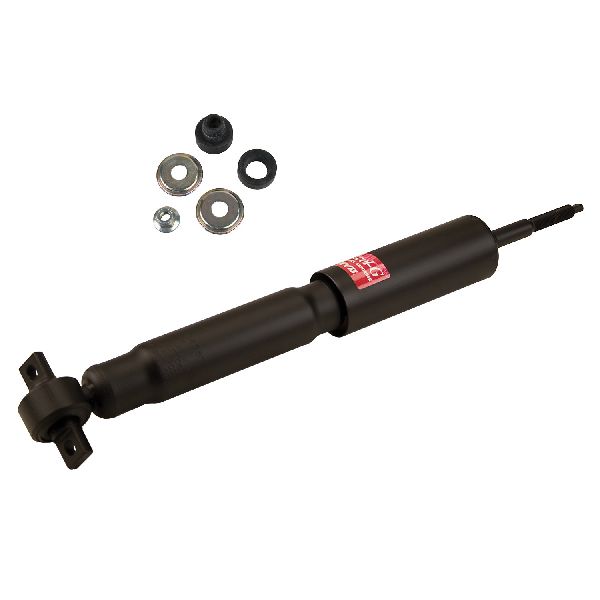
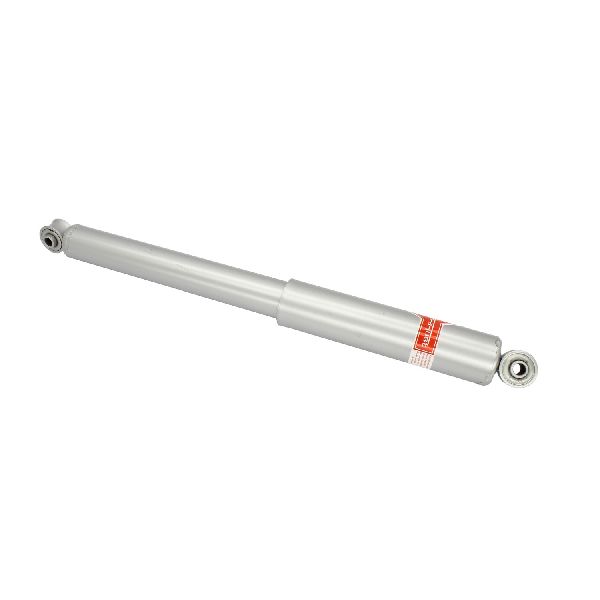
OEM Part Numbers: 6L7Z-18124-BD
The 1997-2003 Expedition uses a traditional shock absorber design (not a strut assembly) for both the front and rear on standard suspension models. The front suspension is an independent short-long arm (SLA) setup, while the rear is a solid axle with coil springs or air springs. Shocks are mounted separately from the springs.
We Have This Part in Stock

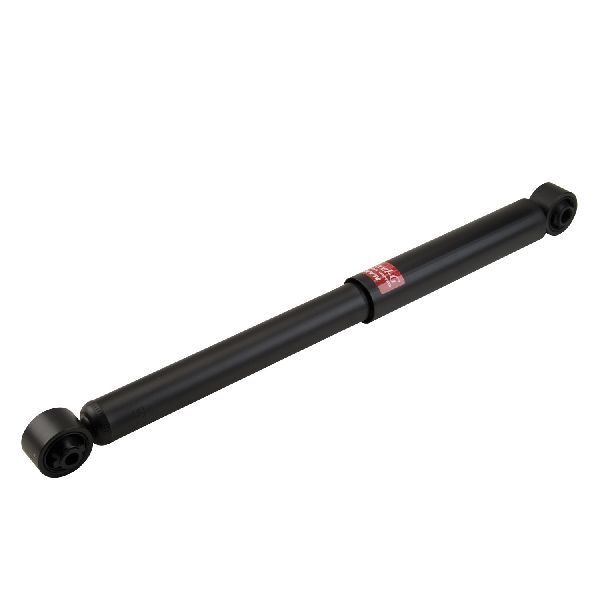

The information in this article is provided for general reference and educational purposes only. Vehicle specifications, procedures, and part compatibility can vary by production date, trim level, and region. Always consult your vehicle's factory service manual and verify part numbers before purchasing or performing repairs. Safety-critical components such as airbags, seat belts, and braking systems should be installed by a qualified professional.
- Ford Expedition:
- 🎬 Helpful Videos
- 🛍️ Shop This Part
- Is Your Expedition's Ride Getting Rough?
- Common Symptoms of Bad Shocks
- A Note on Air Suspension
- Choosing the Right Aftermarket Shocks
- Good: Budget-Friendly Replacements
- Better: Quality OEM-Style Upgrade
- Best: Performance & Heavy-Duty
- Frequently Asked Questions (FAQ)
- 🎟️ Get 5% Off