

Ford F-150 Engine Cylinder Head Temperature (CHT) Sensor Guide: 1997-2003
Your guide to understanding, diagnosing, and replacing the critical CHT sensor in your F-150.
- This is not a simple sensor swap; replacement requires removing the intake manifold, making it a labor-intensive job.
- The CHT sensor is critical for Ford's fail-safe cooling system, which protects your engine from severe damage during an overheat event.
- Symptoms can be severe, including the truck entering a low-power 'limp mode' based on false sensor readings.
- Due to the high labor cost, choosing a high-quality aftermarket brand like Standard Ignition or Walker Products is a smart investment to avoid repeat repairs.
The CHT Sensor's Special Role in Your F-150

Unlike many vehicles that measure coolant temperature directly, Ford's Triton engines from this era use a Cylinder Head Temperature (CHT) sensor. This is a key design feature. The sensor reads the actual metal temperature of the cylinder head. This provides a more direct reading of engine heat and allows the truck's computer to activate a fail-safe cooling strategy if it detects a serious overheat condition, such as from a major coolant leak. In this mode, the computer will shut off fuel to half of the cylinders, using them to pump cool air through the engine to prevent catastrophic damage. If the temperature continues to rise, it will shut the engine off completely.
Symptoms of a Failing CHT Sensor

A bad CHT sensor can cause problems that seem unrelated. Because the computer relies on this sensor for critical data, a false reading can make the truck behave erratically. Common signs include an inaccurate or pegged temperature gauge, engine running rough, cooling fans running on high constantly, and a Check Engine Light. 🎬 See how a failing sensor triggers specific trouble codes and symptoms. You might also experience hard starting, where the engine cranks for a long time before firing up.
Warning: Replacement is Labor-Intensive
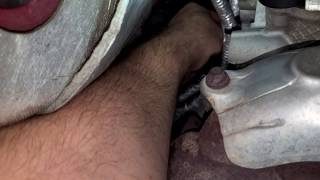
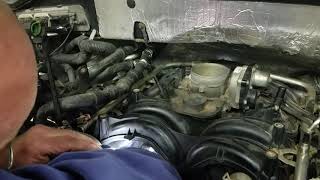
On most 1997-2003 F-150s with the 4.6L or 5.4L V8, the CHT sensor is located under the intake manifold. 🎬 Watch this video to help you locate and repair the sensor. This means the intake manifold must be removed to access and replace the sensor, making it a significantly more involved job than a typical screw-in coolant sensor. Always use a new sensor; the old one should not be reused.
Choosing the Right Aftermarket CHT Sensor

While a Motorcraft (OEM) sensor is always a safe bet, quality aftermarket brands provide a reliable alternative. Given the labor involved in the replacement, this is not a part where you want to cut corners with a low-quality option. A cheap sensor failing prematurely means repeating a difficult and costly job.
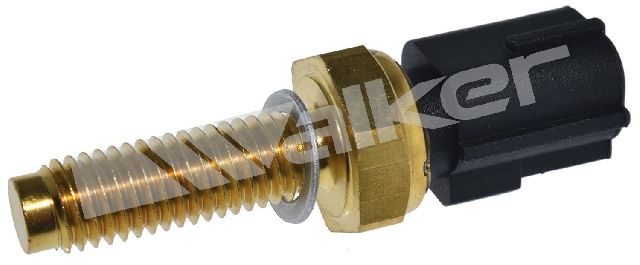
- Top-Tier Aftermarket (Recommended): Brands like Standard Ignition (SMP) and Walker Products have a strong reputation for producing reliable sensors that meet or exceed OEM specifications. These are often the go-to choice for professional mechanics who trust them to work correctly the first time.
- Value-Oriented Brands: Brands such as Facet, Global Parts, Holstein, and Motorad offer a more budget-friendly price point. While they can be a good value, their long-term track record among F-150 owners is less documented in forums compared to top-tier brands. For a sensor this critical and difficult to access, investing a few extra dollars in a premium brand is highly recommended.
Pro Tip: Replace the Connector Pigtail
The sensor's wiring harness connector can become brittle and damaged from years of heat cycles. It's wise to inspect it carefully and consider replacing the pigtail connector at the same time as the sensor to prevent future electrical issues.
Known Issues, Recalls, and TSBs
No specific recalls or Technical Service Bulletins (TSBs) were found for the CHT sensor itself on the 1997-2003 Ford F-150 during searches of the NHTSA database. However, the symptoms caused by a failing CHT sensor, particularly the P1299 code and fail-safe mode activation, are widely discussed among owners. The primary "known issue" is the sensor's difficult location and the high labor cost for replacement.
Cost of Replacing the CHT Sensor

| Part Type | Estimated Cost |
|---|---|
| New Aftermarket Sensor | $14.84 - $38.89 |
| New OEM (Motorcraft) Sensor | $25 - $50 |
| Shop Labor | $250 - $450 |
Note: Costs are estimates and can vary based on location and specific repair shop rates. The significant labor cost is due to the need to remove the intake manifold for access.
Frequently Asked Questions (FAQ)
What's the difference between a CHT sensor and an ECT sensor?
A CHT (Cylinder Head Temperature) sensor measures the temperature of the engine's metal head, while an ECT (Engine Coolant Temperature) sensor measures the temperature of the coolant fluid itself. The F-150s in this generation primarily use a CHT sensor for their fail-safe cooling strategy.
Can I replace the CHT sensor myself?
If you are an experienced DIY mechanic comfortable with removing an intake manifold, this job is feasible. 🎬 Follow this step-by-step walkthrough for replacing the sensor yourself. However, due to the complexity, it is not recommended for beginners. It requires specific tools, knowledge of torque specifications, and careful handling of fuel and cooling systems.
What happens if I ignore a bad CHT sensor?
Ignoring a faulty CHT sensor can lead to poor engine performance, terrible fuel economy, and failed emissions tests. Most importantly, if the sensor fails to detect a real overheating event, you risk severe engine damage like warped cylinder heads. If it sends a false overheat signal, it can put the truck into limp mode unexpectedly.
Do I need to drain the coolant to replace the CHT sensor?
No, the CHT sensor is installed in a 'dry hole' in the cylinder head and does not come into contact with coolant. However, you will need to drain some coolant to remove the intake manifold, which is required to access the sensor.
Helpful Videos


Technical Specifications
OEM Part Numbers: JL3Z-6G004-A
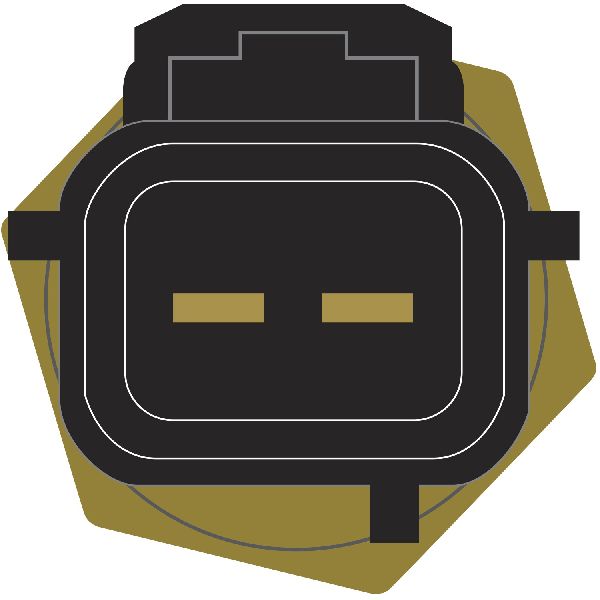
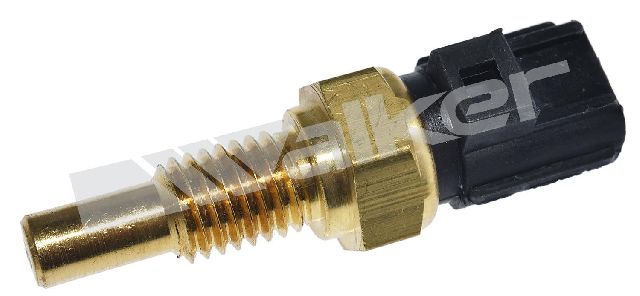
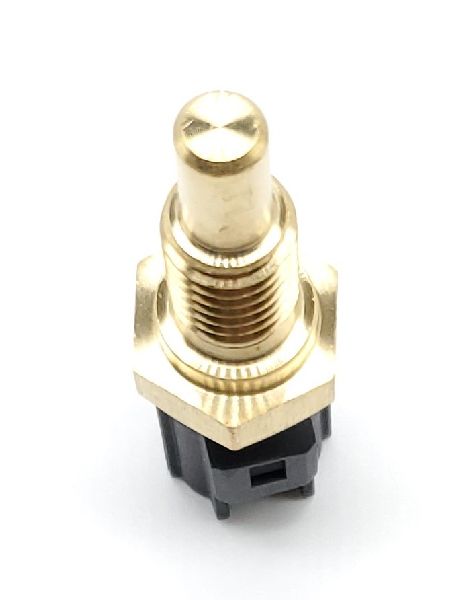
The sensor for the 1997-2003 Ford F-150 with 4.6L and 5.4L engines is typically located under the intake manifold in a dry port on the cylinder head. It is a thermistor-type sensor that changes resistance based on temperature. A new sensor must be used for replacement and torqued to specification, as they are designed for one-time use.
We Have This Part in Stock


The information in this article is provided for general reference and educational purposes only. Vehicle specifications, procedures, and part compatibility can vary by production date, trim level, and region. Always consult your vehicle's factory service manual and verify part numbers before purchasing or performing repairs. Safety-critical components such as airbags, seat belts, and braking systems should be installed by a qualified professional.
- Ford F-150:
- 🎬 Helpful Videos
- 🛍️ Shop This Part
- The CHT Sensor's Special Role in Your F-150
- Symptoms of a Failing CHT Sensor
- Warning: Replacement is Labor-Intensive
- Choosing the Right Aftermarket CHT Sensor
- Pro Tip: Replace the Connector Pigtail
- Known Issues, Recalls, and TSBs
- Cost of Replacing the CHT Sensor
- Frequently Asked Questions (FAQ)
- 🎟️ Get 5% Off