

Ignition Knock Sensor for 1997-2003 Ford F-150: A Complete Guide
Understand why this small sensor is critical for your F-150's engine health and performance.
- Replacement on V8 models is a major, labor-intensive job because the sensor is under the intake manifold.
- Symptoms often include a P0325 or P0330 check engine light code, poor acceleration, and audible engine pinging.
- Due to the high labor cost, using a quality aftermarket brand like Bosch, Delphi, or Standard Ignition is recommended to avoid repeat repairs.
- While replacing the sensor, it is highly recommended to also replace the intake manifold gaskets to prevent future leaks.
What Goes Wrong with a Knock Sensor?

A knock sensor is a simple part, but it lives in a harsh environment of extreme heat and constant vibration. Over time, it can fail internally, or the wiring connecting it to the computer can get damaged. When this happens, the sensor can't do its job. The engine's computer might then receive a bad signal or no signal at all. This can trigger a check engine light and cause noticeable performance problems as the computer tries to protect the engine by defaulting to safe, less efficient settings.
Symptoms of a Bad Knock Sensor on Your F-150

A failing knock sensor will usually let you know something is wrong. The most common signs include:
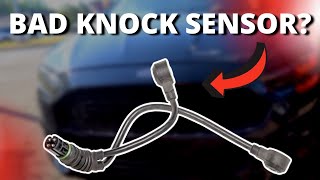
🎬 Watch: A visual guide to bad knock sensor symptoms- Check Engine Light: This is often the first sign. You'll likely see trouble codes like P0325 (Knock Sensor 1 Circuit Malfunction) or P0330 (Knock Sensor 2 Circuit Malfunction).
- Engine Pinging or Knocking: You might hear a metallic pinging sound, especially when accelerating or towing. This is the sound the sensor is supposed to prevent.
- Poor Acceleration: Your truck may feel sluggish and lack power because the computer has retarded the ignition timing to prevent potential damage.
- Bad Fuel Economy: When ignition timing isn't optimized, your engine burns fuel less efficiently, causing you to fill up more often.
Location & Replacement Difficulty
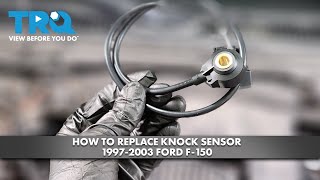
On both the 4.6L and 5.4L V8 engines common in this F-150 generation, the knock sensor (or sensors) is located in the valley of the engine, underneath the entire intake manifold. This makes replacement a very involved job. The intake manifold, fuel rails, throttle body, and various hoses and wires must be removed to gain access. This is not a simple bolt-off, bolt-on repair.
Choosing the Right Aftermarket Knock Sensor

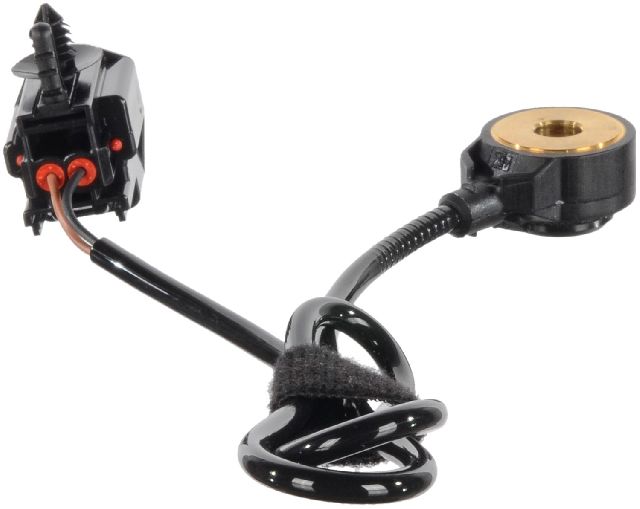
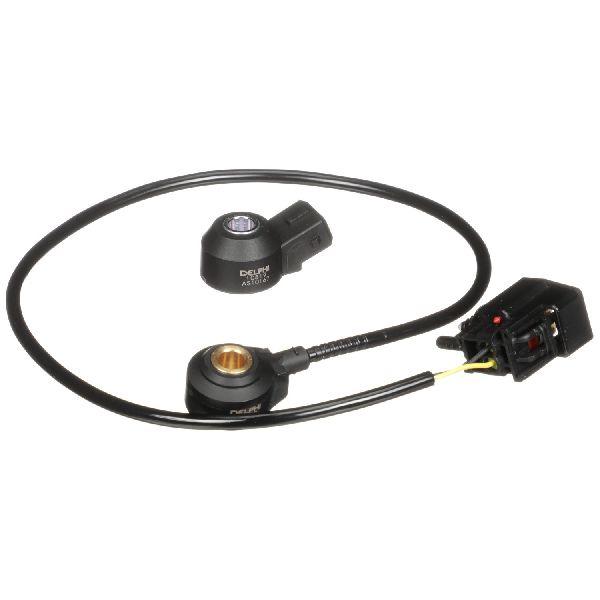
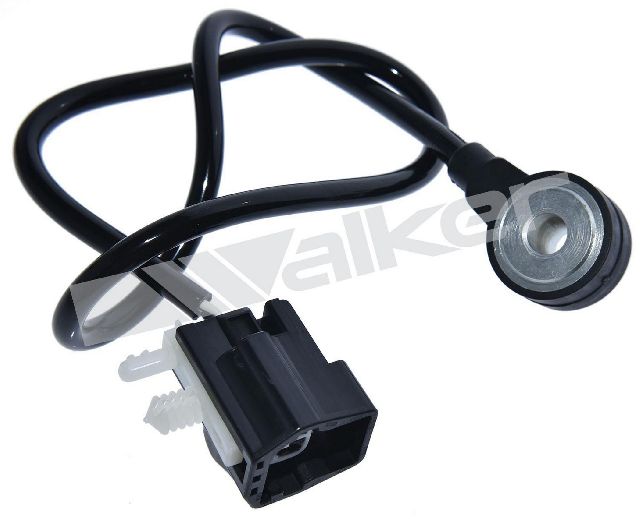
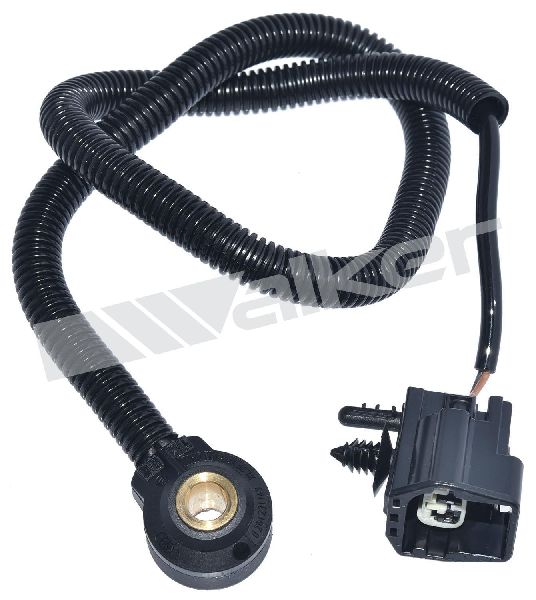
Since replacing the knock sensor is so labor-intensive, you don't want to do the job twice. While OEM is always an option, several reputable aftermarket brands offer quality replacements. It's generally wise to avoid the cheapest, unbranded options, as a faulty part means repeating a very difficult repair.
Here's a look at the available brands:
- Premium Brands (Bosch, Delphi, NGK): These companies are often original equipment manufacturers for many car brands. They have a strong reputation for quality and engineering. Choosing a sensor from one of these brands is a safe bet for reliability and proper function.
- Quality Aftermarket (Standard Ignition, Walker Products, Holstein): Brands like Standard Motor Products (SMP) have a long history of producing reliable aftermarket components. They are a solid choice and often provide a good balance between cost and quality.
- Value-Oriented (Global Parts): These brands focus on providing a lower-cost alternative. While they can be a budget-friendly solution, quality can sometimes be inconsistent compared to premium brands. Given the difficulty of this specific repair, saving a few dollars on the part itself might not be worth the risk of premature failure.
| Item | Estimated Cost |
|---|---|
| New Aftermarket Sensor | $35 - $288 |
| Shop Labor | $400 - $900+ |
| Total Professional Replacement | $435 - $1200+ |
Pro Tip: Because the intake manifold must be removed, this is the perfect time to replace the intake manifold gaskets, thermostat, and any brittle vacuum lines or coolant hoses in the area. This can prevent future leaks and save you from having to take everything apart again later.
Frequently Asked Questions

Where is the knock sensor on a 1997-2003 F-150?
For V8 models (4.6L and 5.4L), the knock sensor is located under the intake manifold in the center valley of the engine block. For the 4.2L V6, it is located on the side of the engine block. Accessing the V8 sensor requires removing the entire intake manifold assembly.
Can I replace the knock sensor myself?
For V8 owners, this is an advanced DIY repair. 🎬 See this step-by-step V8 knock sensor replacement walkthrough It requires draining the coolant, disconnecting fuel lines, and removing the entire upper intake manifold. It is a time-consuming job that requires mechanical skill and a good set of tools. For the V6, it is a much more feasible DIY task. If you are not comfortable with extensive engine work, it is best to leave this job to a professional mechanic.
Why is it so expensive to replace?
The high cost is almost entirely due to the labor involved. On V8 models, a mechanic may need several hours to remove the intake manifold and all related components just to access the sensor. The part itself is relatively inexpensive, but the location makes the job complex.
Are there any recalls for the knock sensor on this F-150?
No, there are no specific recalls for the ignition knock sensor on the 1997-2003 Ford F-150. Searches of the NHTSA database show recalls for other issues like fuel tank straps and airbag wiring, but none related to the knock sensor itself.
Helpful Videos
Technical Specifications
OEM Part Numbers: F3LY12A699A
The knock sensor for the 1997-2003 Ford F-150 is a piezoelectric sensor designed to detect engine block vibrations at specific frequencies associated with detonation. It is a bolt-on sensor, and on V8 models, it is crucial that the bolt is torqued to the correct specification (often around 18 ft-lbs) for proper sensitivity. Over-tightening or under-tightening can lead to incorrect readings.
We Have This Part in Stock


The information in this article is provided for general reference and educational purposes only. Vehicle specifications, procedures, and part compatibility can vary by production date, trim level, and region. Always consult your vehicle's factory service manual and verify part numbers before purchasing or performing repairs. Safety-critical components such as airbags, seat belts, and braking systems should be installed by a qualified professional.
- Ford F-150: