

Ford Lobo Engine Coolant Temperature Sensor Guide (1997-2003)
Solving temperature gauge problems and poor performance in your 1997-2003 Ford Lobo starts with the right sensor.
- You MUST identify if your truck uses an ECT sensor (in coolant) or a CHT sensor (in dry head) before buying.
- A bad gauge sender is different from a bad engine sensor; a bad sender won't cause performance issues.
- Symptoms of a bad engine sensor include poor MPG, a check engine light (P0117/P0118), and potential overheating.
- Replacement can be very easy (front mount) or very difficult (under intake), so check the location first.
Is It an ECT Sensor or a CHT Sensor? A Critical Distinction for 1997-2003 Models
Before buying a part, you must know that Ford used two different types of sensors in this generation of Lobo/F-150 trucks. Ordering the wrong one is the most common mistake. Some trucks have an Engine Coolant Temperature (ECT) sensor, while others have a Cylinder Head Temperature (CHT) sensor.
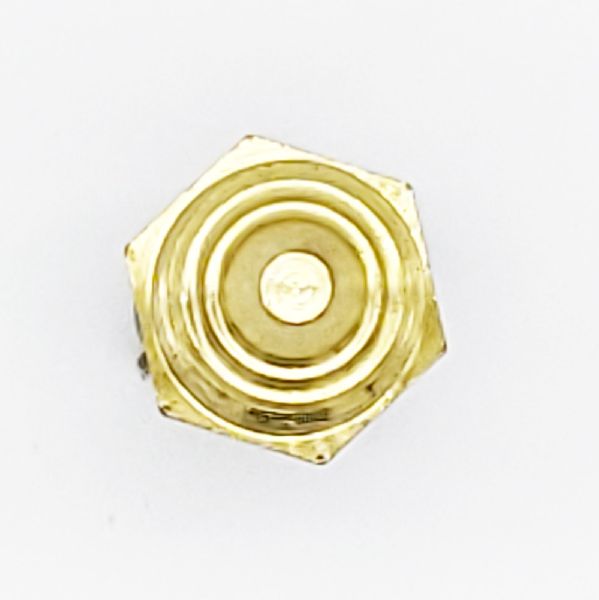
- Engine Coolant Temperature (ECT) Sensor: This is the traditional style. It's a brass sensor that screws directly into a coolant passage, usually on the front of the intake manifold near the thermostat housing. It directly measures the temperature of the coolant fluid.
- Cylinder Head Temperature (CHT) Sensor: Found on some models, especially from 1999/2000 onwards, this sensor screws into a dry hole on the cylinder head, often under the intake manifold. It measures the temperature of the engine's metal, and the computer calculates the coolant temperature from that reading.
Pro Tip: Sensor vs. Sender
Your truck likely has two temperature devices. One is the ECT or CHT sensor for the computer, which affects engine performance. The other is a single-wire sender just for the temperature gauge on your dashboard. If your gauge is acting up but the truck runs fine, you might only need to replace the sender, not the main engine sensor.
Symptoms of a Failing Engine Temperature Sensor
When the main temperature sensor fails, it sends bad information to the engine's computer. This can cause a variety of problems because the computer can no longer make smart decisions about fuel and cooling.
- Check Engine Light: The most common sign is an illuminated check engine light with codes like P0115, P0117, P0118, or P0125.
- Poor Fuel Economy: A sensor stuck on a "cold" reading will cause the computer to run a rich fuel mixture all the time, wasting gas.
- Black Smoke: A very rich fuel mixture can result in black smoke coming from the exhaust pipe.
- Engine Overheating: If the sensor fails to report that the engine is hot, the computer may not turn on the cooling fans when needed.
- Hard Starting: The engine may be difficult to start, especially when cold, if the computer is getting an incorrect temperature reading.
- Rough Idle or Performance: The truck may run rough, hesitate, or enter a reduced-power "failsafe" mode to protect the engine.
Choosing the Right Aftermarket Sensor
For a simple but vital sensor like this, you don't have to buy from the dealer. A quality aftermarket part can be a reliable and cost-effective choice. However, quality can vary between brands.
- Premium Aftermarket (Recommended): Brands like Standard Ignition (SMP) and NGK (NTK) have a strong, long-standing reputation for producing sensors that meet or exceed original equipment (OE) specifications. They are known for tight tolerances and rigorous testing, making them a trusted choice for reliability.
- Standard Aftermarket: Brands like Four Seasons, Holstein, and Motorad are common in the aftermarket. While often more budget-friendly, online forum discussions show mixed reviews for some of these brands, with some users reporting premature failures with other cooling system parts. They can be a viable option, but premium brands are recommended for this critical sensor.
Installation Difficulty Varies Greatly
The location of your sensor determines how hard the job is. An ECT sensor on the front of the intake manifold is easy to access and can be replaced in under an hour with basic tools. However, a CHT sensor located under the intake manifold is a much more difficult job that may require removing the alternator or the entire intake manifold. Be sure to identify the location before you begin.
Cost of Replacing a Ford Lobo Engine Temperature Sensor (1997-2003)
| Part Type | Estimated Cost |
|---|---|
| New Aftermarket Sensor | $15 - $25 |
| New OEM (Dealer) Sensor | $50 - $90 |
| Shop Labor Cost (Front Mount) | $60 - $120 |
| Shop Labor Cost (Under Intake) | $150 - $400+ |
Frequently Asked Questions
How do I know if I have an ECT or CHT sensor?
The best way is to visually inspect your engine. Look at the front of the intake manifold, near the thermostat housing. If you see a two-wire sensor screwed into the coolant passage, you have an ECT sensor. If you don't see one there, your truck likely has the CHT sensor, which is harder to see as it's located on the cylinder head, often under the intake manifold.
Can a bad temperature sensor cause my truck to overheat?
Yes. The sensor tells the computer when to activate the electric cooling fans. If the sensor fails to report that the engine is getting hot, the fans may not turn on, leading to overheating in traffic or at low speeds.
Will the truck run if I unplug the sensor?
If you unplug the sensor, the computer will recognize a fault and will likely go into a failsafe mode. This usually involves running a rich fuel mixture and turning the cooling fans on constantly to be safe. The truck may run, but it will run poorly and the check engine light will be on. This is a temporary diagnostic step, not a fix.
Do I need to drain the coolant to replace the sensor?
If you are replacing an ECT sensor that screws into a coolant passage, you will lose coolant when you remove it. It's best to drain some coolant first. If you are replacing a CHT sensor, it is in a dry hole, so no coolant needs to be drained for the sensor itself, but you may need to if you remove the intake manifold to access it.
Technical Specifications
OEM Part Numbers: DY-981 4L3Z-12A648-AA
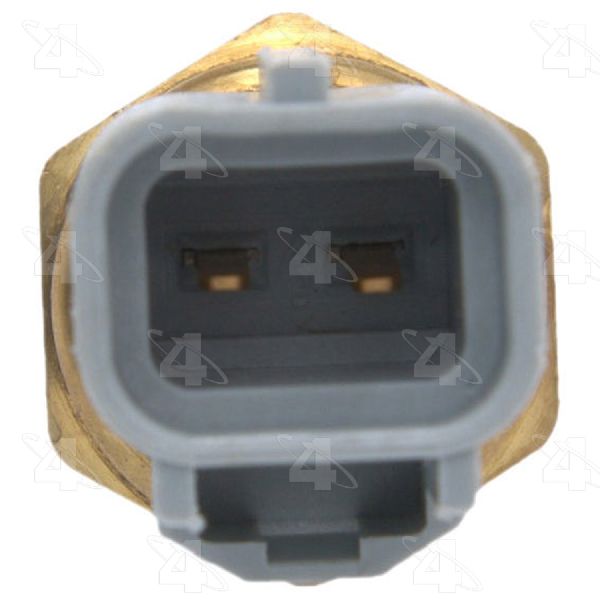
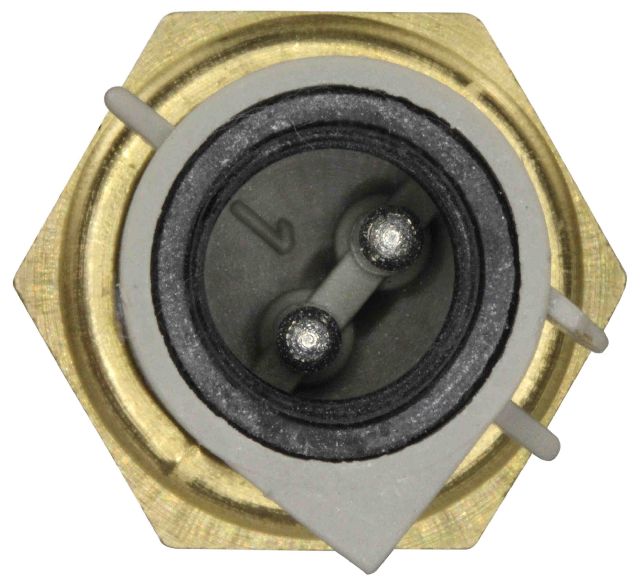
Connector: 2-pin. Thread size: Varies, typically 3/8" or 1/2" NPT. Verify by vehicle.
We Have This Part in Stock


The information in this article is provided for general reference and educational purposes only. Vehicle specifications, procedures, and part compatibility can vary by production date, trim level, and region. Always consult your vehicle's factory service manual and verify part numbers before purchasing or performing repairs. Safety-critical components such as airbags, seat belts, and braking systems should be installed by a qualified professional.
- Ford Lobo:
- 🛍️ Shop This Part
- Is It an ECT Sensor or a CHT Sensor? A Critical Distinction for 1997-2003 Models
- Pro Tip: Sensor vs. Sender
- Symptoms of a Failing Engine Temperature Sensor
- Choosing the Right Aftermarket Sensor
- Installation Difficulty Varies Greatly
- Cost of Replacing a Ford Lobo Engine Temperature Sensor (1997-2003)
- Frequently Asked Questions
- 🎟️ Get 5% Off