

Accessory Drive Belt Guide for 1997-2003 Toyota 4Runner
Learn how to choose the right replacement accessory drive belts to keep your 3rd Gen 4Runner's engine components running smoothly.
- Your 1997-2003 4Runner uses three separate accessory belts, not a single serpentine belt.
- It is highly recommended to replace all three belts at the same time to save on future labor.
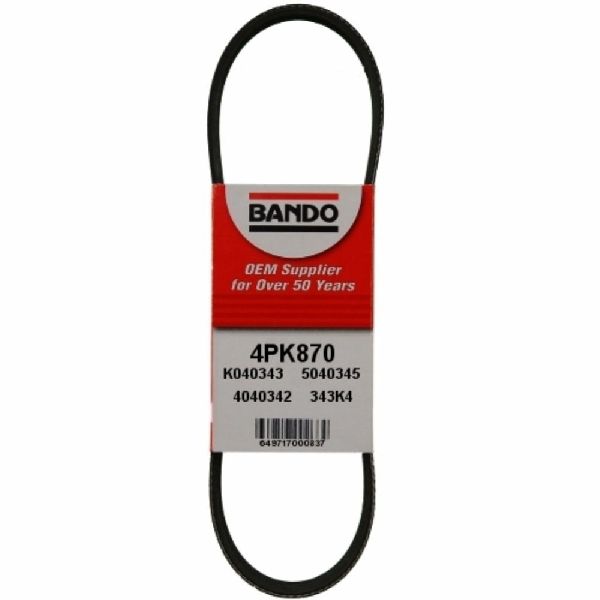
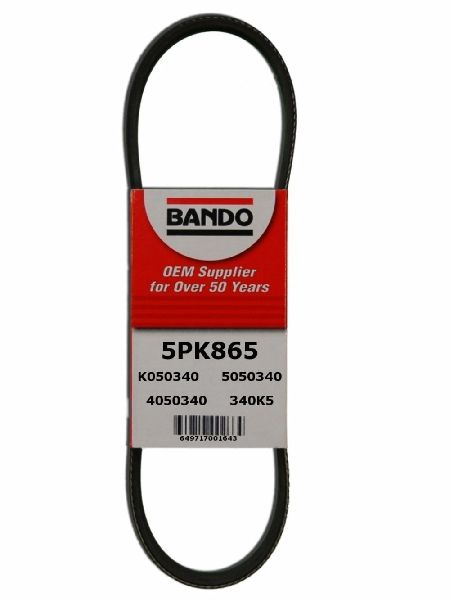
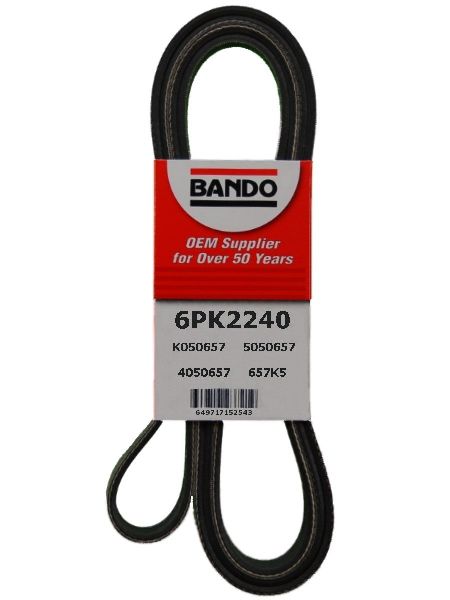
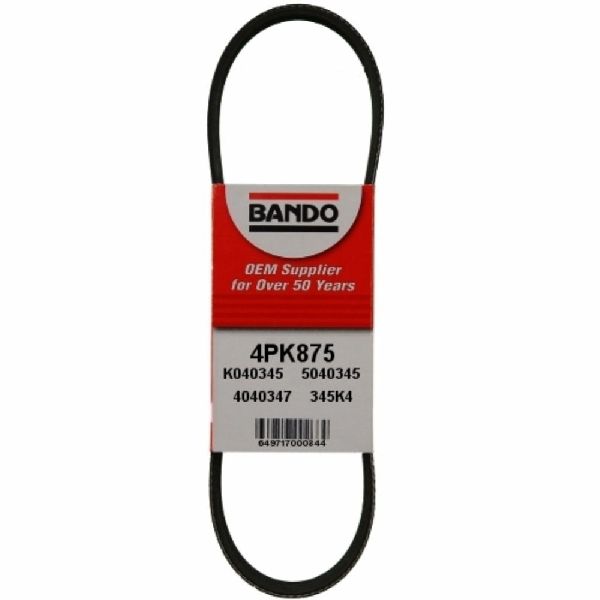
- Brands like Bando and Mitsuboshi are often the OEM suppliers for Toyota and offer excellent quality at a lower price than dealer parts.
- Inspect belts regularly for cracks and listen for squealing, as a failed belt can leave you stranded and potentially cause engine damage from overheating.
Understanding Your 4Runner's Drive Belts
The 1997-2003 Toyota 4Runner, whether equipped with the 2.7L 4-cylinder (3RZ-FE) or the 3.4L V6 (5VZ-FE), uses a multi-belt system. This means you have three individual belts to manage. While they last a long time, they are rubber parts that wear out from heat, friction, and age. Regular inspection is key to preventing a breakdown.
Signs of a Failing Accessory Drive Belt
Catching a failing belt early can save you from being stranded. Here are the common symptoms:
- Squealing Noises: A high-pitched squeal, especially when you start the engine or turn the steering wheel, is the most common sign of a loose or worn belt.
- Visible Wear: Look for cracks, fraying, glazing (a shiny, smooth surface), or missing chunks on the belts. Any visible damage means it's time for a replacement.
- Battery Light: If the alternator belt is slipping or breaks, the alternator will stop charging the battery, causing the battery warning light to illuminate on your dashboard.
- Loss of Power Steering: If the power steering belt fails, the steering will become very heavy and difficult to turn.
- Engine Overheating: The alternator belt also drives the water pump. If this belt fails, the engine will quickly overheat, which can cause severe engine damage.
Known Issues & Recalls
Searches for official recalls and Technical Service Bulletins (TSBs) for the 1997-2003 Toyota 4Runner's accessory drive belts did not reveal any specific campaigns. Any issues are generally related to normal wear and tear rather than a manufacturing defect.
Choosing the Right Aftermarket Belts
When it comes to aftermarket belts for your 4Runner, you can get excellent quality without paying dealership prices. Many aftermarket brands are the original equipment manufacturers (OEM) for Toyota.
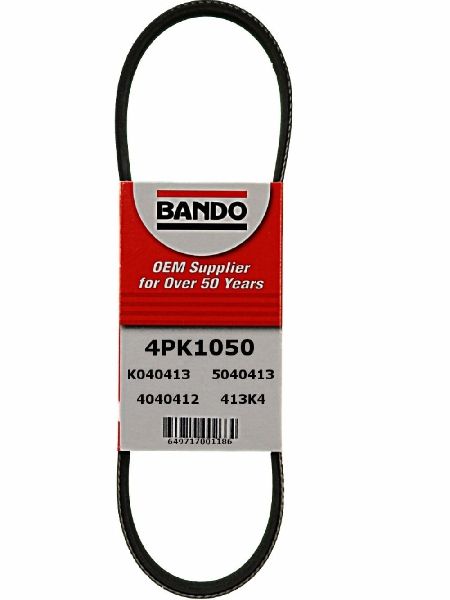
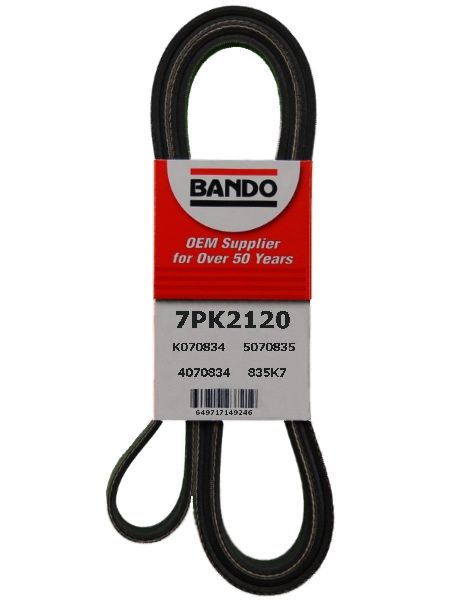
- OEM-Equivalent Brands (Best Quality): Brands like Bando and Mitsuboshi are widely recognized as OEM suppliers for Toyota. Choosing a belt from one of these brands often means you are getting the exact same quality as the part from the dealer, just in a different box and at a lower price. These are highly recommended for their fit and durability.
- Reputable Aftermarket Brands (Good Quality): ACDelco is a well-known and trusted aftermarket brand that offers quality parts. While not an OEM supplier for Toyota, their belts are a reliable and affordable option.
Pro Tip: Since you have to remove the outer belts to get to the inner ones, it is highly recommended to replace all three belts at the same time. This saves you labor in the long run and ensures the entire system is fresh.
| Part Type | Typical Cost Range (for a set of three) |
|---|---|
| New OEM (Dealer) | $60 - $120 |
| New Aftermarket (Bando, Mitsuboshi, ACDelco) | $15.42 - $62.29 |
| Shop Labor | $61 - $90 |
Frequently Asked Questions (FAQ)
How often should I replace my 4Runner's drive belts?
There is no strict mileage interval, but it's wise to inspect the belts at every oil change. Many owners replace them preventatively between 60,000 and 100,000 miles. If you see any cracks, fraying, or hear persistent squealing, replace them immediately regardless of mileage.
Are Bando and Mitsuboshi really as good as Toyota OEM belts?
Yes. Bando and Mitsuboshi are frequently the original manufacturers for Toyota belts. An aftermarket Bando or Mitsuboshi belt is often identical to the genuine Toyota part. Some forum users note that even when the brand is the same, the dealership part may feel slightly different, but the aftermarket versions are widely used with great success.
Can I replace the accessory belts myself?
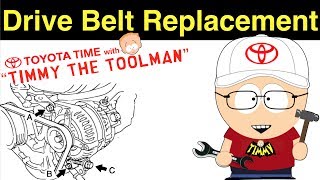
Yes, this is a very DIY-friendly job for someone with basic mechanical skills and tools. The process involves loosening the tensioner for each accessory, removing the old belts, and installing the new ones. The power steering belt can be the most difficult due to tight access. You will need metric sockets and wrenches (10mm, 12mm, 14mm).
What is the difference between a serpentine belt and V-belts?
A serpentine belt is a single, long belt that winds its way around all the engine accessories. Your 1997-2003 4Runner uses a V-belt system, which consists of multiple, individual belts that each drive one or two accessories.
Helpful Videos


Technical Specifications
OEM Part Numbers: 90916-02336 99364-20870-78 90916-02571 90916-02585
System Type: Multiple V-Belts (3 total). Engines: 2.7L 3RZ-FE 4-Cylinder, 3.4L 5VZ-FE V6. Belts for: 1) Alternator & Water Pump, 2) Power Steering, 3) Air Conditioning.
We Have This Part in Stock

The information in this article is provided for general reference and educational purposes only. Vehicle specifications, procedures, and part compatibility can vary by production date, trim level, and region. Always consult your vehicle's factory service manual and verify part numbers before purchasing or performing repairs. Safety-critical components such as airbags, seat belts, and braking systems should be installed by a qualified professional.
- Toyota 4Runner: