

A Guide to Aftermarket Disc Brake Pads for the 1997-2004 Audi A8 Quattro
Choosing the right new brake pads for your D2 A8 Quattro is about balancing performance, noise, and dust.
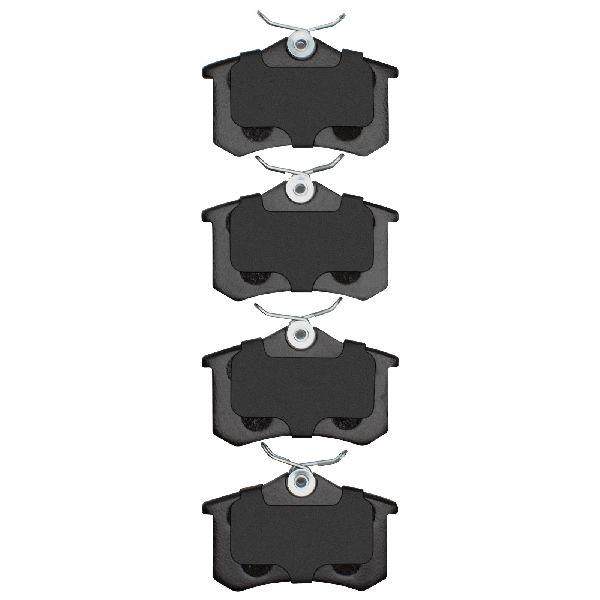
- The 1997-2004 A8 Quattro uses front brake pad wear sensors, but the rear pads do not have them.
- Original equipment pads from brands like ATE and Pagid offer great performance but produce significant brake dust.
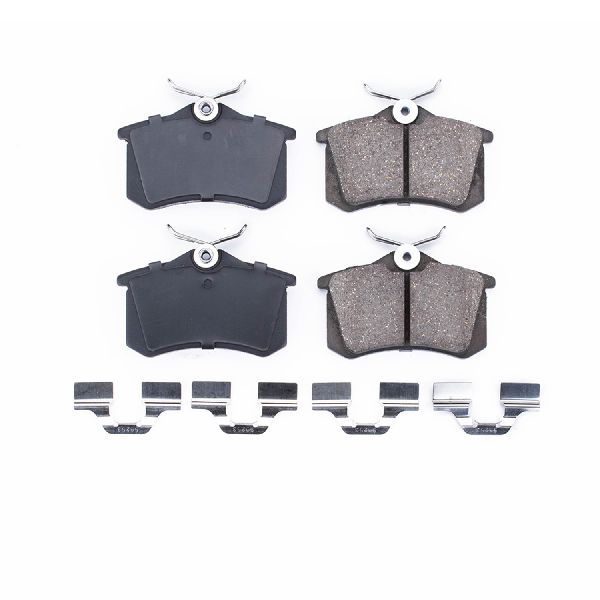
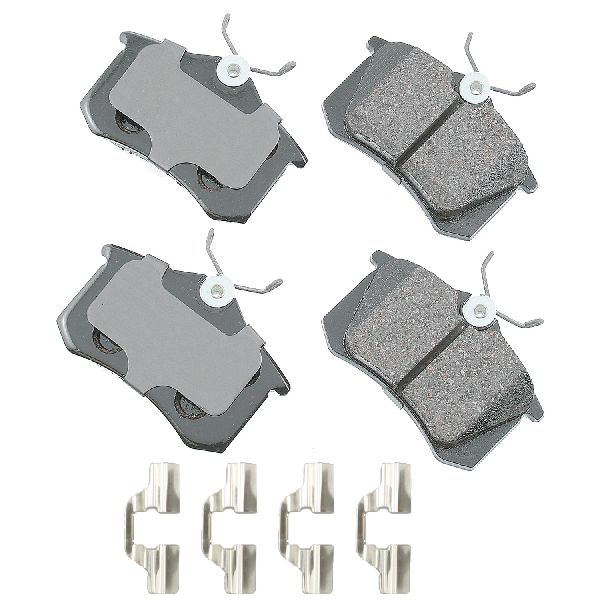
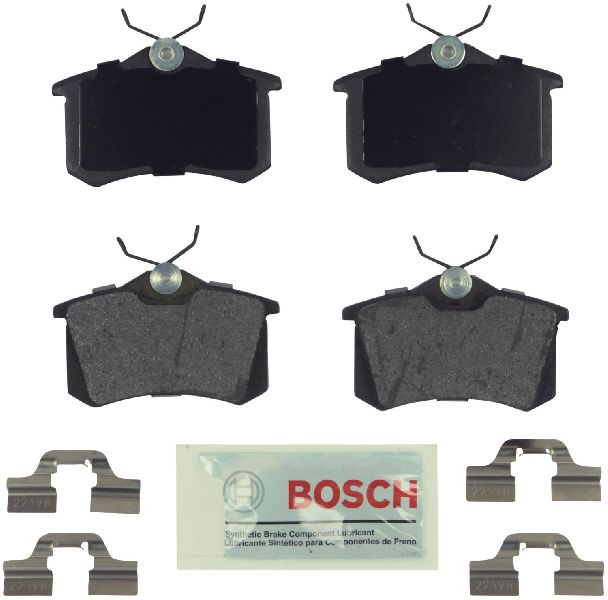
- Ceramic aftermarket pads (e.g., Akebono) are a popular upgrade for owners wanting to reduce brake dust and noise.
- Verify your front rotor size (312mm or 323mm) before ordering, as it changed during this generation.
Symptoms of Failing Brake Pads
Worn brake pads can be dangerous. Ignoring the signs can lead to more expensive repairs, like replacing brake rotors or calipers. Watch for these symptoms in your A8 Quattro.
- Squealing or Screeching Noises: A high-pitched noise when you apply the brakes is often the first sign. This is caused by a small metal indicator built into the pad telling you it's time for a replacement.
- Grinding Sounds: If you hear a deep, metallic grinding, stop driving as soon as it is safe. This means the pads are completely worn away, and the metal backing plate is grinding against the rotor, causing severe damage.
- Brake Pad Warning Light: Your A8's front brake pads are equipped with wear sensors. When the pads are low, a warning light will appear on your instrument cluster. Note that the rear pads do not have sensors.
- Vibrations or Pulsing: If you feel a pulsing or vibration in the brake pedal or steering wheel when braking, it could mean the pads have worn unevenly or that the rotors are warped.
- Spongy or Soft Brake Pedal: If the brake pedal feels less firm than usual or goes closer to the floor, it could indicate worn pads or a problem with the brake fluid.
Choosing the Right Aftermarket Brake Pads
The original brake pads on your Audi were likely made by ATE or Pagid. They were designed for excellent stopping power but are known to produce a lot of brake dust. Aftermarket pads give you options to match your driving style and budget, from low-dust ceramic pads to high-performance compounds.
Aftermarket Brand Tiers for Audi A8 Quattro
| Tier | Brands | Characteristics & Best For |
|---|---|---|
| OEM-Equivalent & Premium Daily | ATE, Pagid, Textar, Brembo (NAO Ceramic), TRW, Bosch (QuietCast) | Owners who want to restore original performance and feel. These brands are often original equipment suppliers. They offer a balance of performance, quiet operation, and durability. Great for normal daily driving. |
| Low-Dust & Quiet Comfort | Akebono, Centric (Ceramic), Wagner (ThermoQuiet), Dynamic Friction | Owners who are tired of cleaning brake dust off their wheels. Ceramic pads like Akebono are known for being very clean and quiet, with a smooth pedal feel. Stopping power is excellent for street use but may be slightly less aggressive on initial bite than OEM pads. |
| Performance & Enthusiast | Hawk Performance, EBC Brakes (Greenstuff/Redstuff), Brembo (Performance lines), StopTech, Powerstop | Drivers who demand maximum stopping power and heat resistance for spirited driving. These pads offer a strong initial bite and resist brake fade better than stock. The trade-off is often more noise, more dust, and faster wear of both pads and rotors. |
| Economy | Pronto, Raybestos, Total Stopping Solutions, some store brands | Budget-conscious owners who need a functional, safe replacement for standard commuting. These pads meet safety standards but may not offer the same longevity, quietness, or performance as premium options. |
Common Ordering Mistake
The 1997-2004 A8 Quattro used different front brake caliper and rotor sizes depending on the model year and specific options. Early models often used a 312mm front rotor, while later models (around 2000+) often used a larger 323mm rotor with different calipers. Always verify your specific vehicle's brake system before ordering parts. Using your VIN with a parts supplier is the most reliable method.
Estimated Replacement Costs
The cost to replace brake pads can vary based on the parts you choose and local labor rates. This table provides a general estimate for a single axle (front or rear).
Cost Comparison: Audi A8 Quattro Brake Pad Set
| Category | Estimated Cost Range | Notes |
|---|---|---|
| New Aftermarket Parts | $20 - $303 | Price depends heavily on the brand and material (economy vs. performance ceramic). |
| New OEM Parts | $250 - $400 | Genuine Audi parts will restore original performance but are often the most expensive option. |
| Shop Labor | $150 - $250 | This covers the labor to replace pads on one axle. Costs are higher if rotors are also replaced. |
| Total Professional Job (Aftermarket) | $240 - $410 | This is an estimated total for parts and labor for one axle at an independent shop. |
Frequently Asked Questions (FAQ)
Can I replace the brake pads on my A8 Quattro myself?
Yes, this is a DIY-feasible job for someone with mechanical experience and the right tools. You will need a floor jack, jack stands, a 7mm hex tool for the caliper guide pins, a large C-clamp or piston spreader, and standard metric sockets. The front pad replacement is straightforward. The rear calipers on this generation do not require the special electronic tool needed for newer Audis.
What is the difference between ceramic and semi-metallic pads?
Semi-metallic pads, similar to the original Audi pads, use metal fibers to provide strong stopping power and handle heat well, but they create more dust and can be noisier. Ceramic pads use ceramic compounds and copper fibers. They are known for being very quiet, producing very little light-colored dust, and offering a smooth pedal feel, making them a popular upgrade for daily drivers.
Why are my original Audi pads so dusty?
The original equipment pads for German performance sedans are typically a soft, semi-metallic compound. This formulation is designed to provide an aggressive bite and excellent stopping performance, but a byproduct of that soft compound is a significant amount of dark brake dust. Many owners switch to ceramic pads specifically to reduce dust.
Do I need to replace my brake rotors with the pads?
Not always, but it is highly recommended to replace pads and rotors at the same time. A new, flat rotor surface ensures the new pads bed-in correctly and provides the best braking performance. If your rotors are below the minimum thickness (stamped on the rotor hub), have a significant lip on the edge, or are warped (causing vibration), they must be replaced. Installing new pads on worn rotors can reduce performance and cause noise.
What is a brake pad wear sensor?
The front brake pads on your A8 have a small electronic sensor embedded in them. As the pad material wears down, the sensor eventually makes contact with the brake rotor, which completes an electrical circuit and turns on a warning light on your dashboard. It's a reminder to get your brakes serviced soon. Note that a faulty or corroded sensor connector can sometimes cause a false warning light.
Technical Specifications
OEM Part Numbers: 4D0698151L 4D0698151AC 4F0698451F 4F0698451L 4D0615121
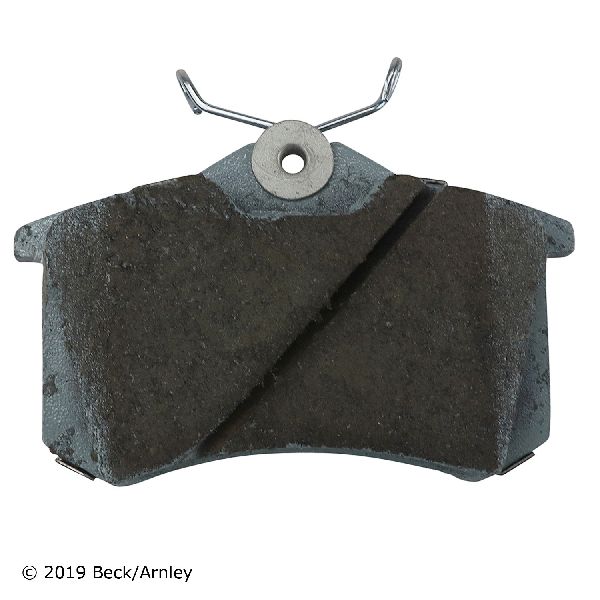
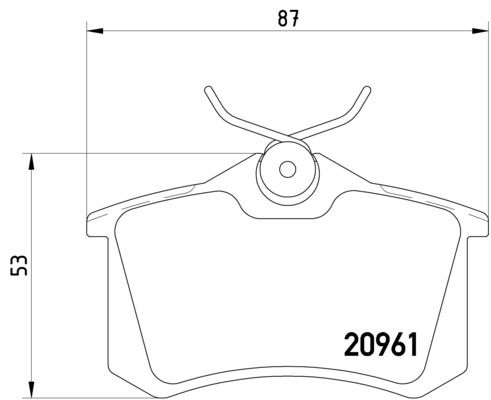
Brake pad materials available include ceramic, semi-metallic, and organic. Front pads for this model include a two-pin electronic wear sensor. Rear pads do not use a sensor. Caliper designs can vary, with most being ATE-Teves or Lucas-Girling systems. Front rotor diameters are typically 312mm or 323mm.
We Have This Part in Stock

The information in this article is provided for general reference and educational purposes only. Vehicle specifications, procedures, and part compatibility can vary by production date, trim level, and region. Always consult your vehicle's factory service manual and verify part numbers before purchasing or performing repairs. Safety-critical components such as airbags, seat belts, and braking systems should be installed by a qualified professional.
- Audi A8 Quattro: