

Dodge Dakota Brake Master Cylinder Guide: 1997-2004
Don't let a spongy pedal sideline your Dakota; understand what's wrong and how to choose the right replacement part.
- A sinking or spongy brake pedal is a critical symptom that points directly to master cylinder failure.
- Check the brake booster for fluid contamination; a common internal leak can require replacing both parts.
- Bench bleeding the new master cylinder before installation is mandatory for a successful repair.
- For this generation, quality aftermarket brands like Dorman are a reliable choice as OEM parts are scarce.
Is Your Dakota's Brake Master Cylinder Failing?

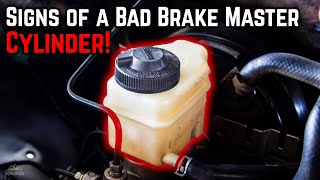
A failing brake master cylinder on a 1997-2004 Dodge Dakota gives some classic, hard-to-ignore signs. The most common and serious symptom is a change in how the brake pedal feels. You might press the pedal and feel it's soft, 'spongy', or that it slowly sinks to the floor while you're holding it at a stoplight. This indicates a loss of hydraulic pressure. 🎬 Watch: A breakdown of common master cylinder failure symptoms. A sinking pedal often points to an internal leak, where fluid is bypassing the seals inside the cylinder itself. A spongy feel can mean air has entered the system, which could happen if the master cylinder is leaking externally.
Check for Internal Leaks into the Brake Booster
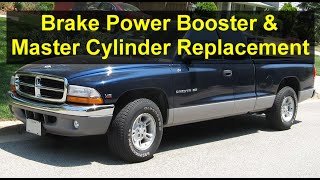
A common failure point on these trucks is the rear seal of the master cylinder. When it fails, brake fluid can leak directly into the brake booster, the large black canister the master cylinder is bolted to. You won't see a puddle on the ground. This leak can damage the booster's diaphragm, requiring you to replace both parts. 🎬 See this step-by-step guide for replacing the booster and cylinder. Check for signs of fluid inside the vacuum hose connected to the booster.
Choosing the Right Aftermarket Master Cylinder

Since the original Mopar parts for this generation are often discontinued or hard to find, the aftermarket is your go-to source. Quality can vary, so it's important to understand the options.
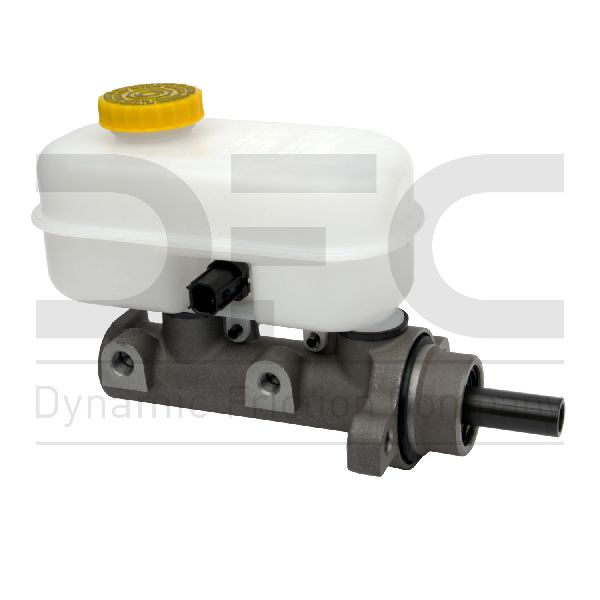
- Premium Brands (e.g., Dynamic Friction, Dorman): Brands like Dorman have a reputation for re-engineering parts to fix common OEM weak points. They are a popular choice and generally considered reliable for daily drivers. Dynamic Friction also focuses on quality hydraulic components. These brands offer a good balance of quality and price, often with improved designs over the original.
- Standard/Economy Brands (e.g., Crown Automotive, Replacement): These brands provide a functional, budget-friendly option. 'Replacement' branded parts are typically the most affordable. Crown Automotive offers a wide range of Jeep and Dodge parts, but some user reviews suggest their quality can be inconsistent, with parts sometimes made in China and having fitment issues. For a critical safety component like a master cylinder, it's often worth spending a bit more for a brand with a stronger reputation for reliability.
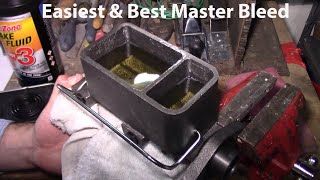
Pro Tip: Always bench bleed your new master cylinder before installing it. This means removing all the air from the cylinder on a workbench before it goes in the truck. Skipping this step will make it extremely difficult, if not impossible, to get a firm brake pedal later.
🎬 Watch: The fastest way to bench bleed your new cylinder.Cost of Replacing a 1997-2004 Dodge Dakota Master Cylinder

| Part/Service | Estimated Cost |
|---|---|
| New Aftermarket Master Cylinder | $68 - $140 |
| Shop Labor | $150 - $300 |
| Total Estimated Cost (Parts + Labor) | $218 - $440 |
Note: Costs are estimates and can vary based on your location, the specific brand chosen, and your mechanic's labor rates. This does not include the potential cost of a new brake booster if it has been contaminated by a leak.
Frequently Asked Questions

Are there any recalls for the 1997-2004 Dakota brake master cylinder?
No, searches of the NHTSA database did not find any specific recalls for the brake master cylinder on the 1997-2004 Dodge Dakota. There were recalls for other brake components on different model years, but not for the master cylinder in this generation.
Do I need to replace my brake booster at the same time?
Only if it has been damaged by leaking brake fluid. If the rear seal of the master cylinder fails, it leaks fluid directly into the booster, which can ruin the internal diaphragm. If you find brake fluid inside the booster or its vacuum line, you must replace both components for a safe and lasting repair.
What's the difference between a spongy and a sinking brake pedal?
A spongy pedal, which feels soft or bouncy, is usually caused by air in the brake lines. A sinking pedal, which feels firm at first but then slowly drops to the floor under steady pressure, is the classic sign of an internal master cylinder leak where fluid is bypassing the seals.
Why are my 'BRAKE' and 'ABS' lights on after replacing the master cylinder?
This can happen for a few reasons. One common issue is a faulty fluid level sensor on the new master cylinder's reservoir, even on a brand new part. It could also indicate that the system needs to be bled again, or that there is a separate issue with the ABS system that was triggered during the repair.
Helpful Videos
Technical Specifications
OEM Part Numbers: 5013131AA
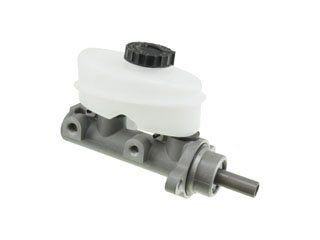
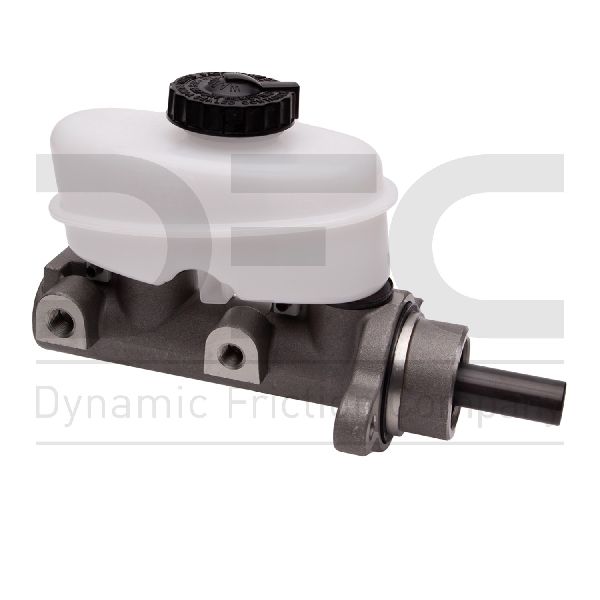
Fits 1997-2004 Dodge Dakota. Typically comes with a new reservoir and fluid level sensor. Must be bench bled before installation.
We Have This Part in Stock

The information in this article is provided for general reference and educational purposes only. Vehicle specifications, procedures, and part compatibility can vary by production date, trim level, and region. Always consult your vehicle's factory service manual and verify part numbers before purchasing or performing repairs. Safety-critical components such as airbags, seat belts, and braking systems should be installed by a qualified professional.
- Dodge Dakota: