

Ford Expedition Knock Sensor Guide (1997-2004): Symptoms & Replacement
Dealing with poor performance or a check engine light on your Expedition? Your knock sensor might be the culprit.
- The knock sensor is located under the intake manifold, making replacement a labor-intensive and expensive job.
- Due to high labor costs, choosing a top-tier aftermarket brand like Bosch, NGK (NTK), or Delphi is strongly recommended.
- Failure is often caused by coolant leaks from the intake manifold gaskets; these should be replaced at the same time.
- Symptoms include a check engine light (P0325, P0330), poor acceleration, and decreased fuel economy.
Is a Bad Knock Sensor a Serious Problem?
A failing knock sensor on your 1997-2004 Ford Expedition can cause noticeable issues. When the engine's computer (PCM) doesn't get a reliable signal from the sensor, it often switches to a 'safe mode.' This protective measure retards ignition timing to prevent potential engine damage. The result is sluggish acceleration, reduced power, and poor fuel economy. While the truck is generally safe to drive for short distances, ignoring the problem can mask more serious issues and lead to long-term performance decline.
The Biggest Challenge: Location
On the 1997-2004 Expedition's 4.6L and 5.4L V8 engines, the knock sensor is located in the engine valley, underneath the entire intake manifold. This makes replacement a labor-intensive job that requires removing the manifold. Because of the high labor cost, it is critical to use a high-quality replacement part to avoid doing the job twice.
Top Symptoms of a Failing Knock Sensor
🎬 Watch: 4 common signs of a failing knock sensorLook out for these common signs of a bad knock sensor in your Expedition:
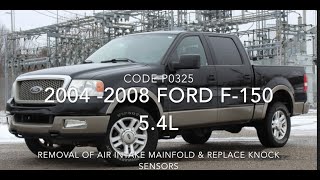
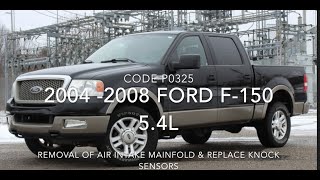
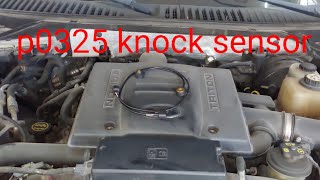
- Check Engine Light: This is the most common symptom. The system will store trouble codes like P0325 (Bank 1) or P0330 (Bank 2). 🎬 Watch: Diagnosing and fixing the P0325 knock sensor code
- Reduced Engine Power: Your Expedition may feel noticeably sluggish or slow to accelerate because the computer has retarded the ignition timing as a precaution.
- Worse Fuel Economy: An engine running in 'safe mode' is less efficient, leading to more frequent stops at the gas station.
- Audible Engine Pinging: In some cases, if the sensor fails completely, you might hear a metallic pinging or rattling sound, especially under load (like going uphill). This is the detonation the sensor is supposed to prevent and can cause engine damage if ignored.
Choosing the Right Aftermarket Knock Sensor
Due to the difficult replacement process, part quality is extremely important. You don't want to pay for all that labor just to have a cheap sensor fail in a few months. Here’s a breakdown of available brands based on owner feedback and general reputation.
A Common Cause of Failure
A frequent reason for knock sensor failure on these Ford V8s is a coolant leak from the intake manifold gasket. Coolant pools in the engine valley, submerging and shorting out the sensor and its wiring. When replacing the sensor, it is essential to also replace the intake manifold gaskets to prevent the new sensor from failing for the same reason.
Brand Quality Tiers
- Top Tier (OEM Equivalent): Brands like Bosch and NGK (NTK) are often considered to be of OEM quality or even the original suppliers. Forum members frequently recommend NTK (the sensor division of NGK) and Bosch as reliable choices that are worth the investment, especially given the labor involved. Delphi is also a well-regarded OEM supplier.
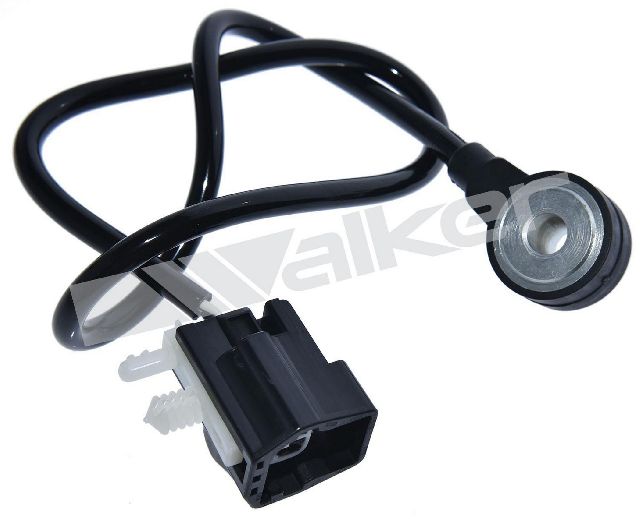
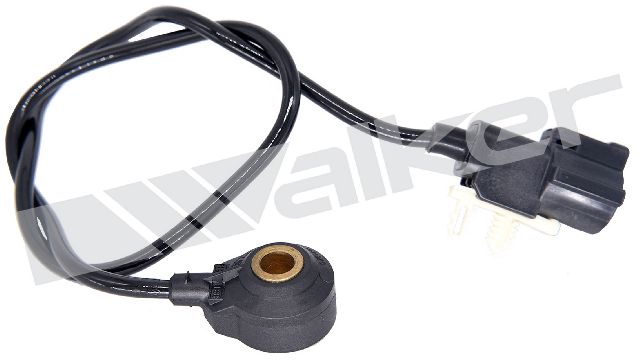
- Mid-Tier (Solid Value): Standard Ignition (SMP) and Walker Products are established aftermarket brands that offer a balance of quality and price. They are generally considered reliable options for a daily driver.
- Budget-Friendly: Brands like Global Parts and Holstein fall into the lower-cost category. While tempting on price, be cautious. Given the high cost of labor for this specific repair, saving a few dollars on the part itself is a significant risk. Many professional mechanics would advise against using budget parts for a job this intensive.
Cost to Replace Ford Expedition Knock Sensors
The cost is heavily influenced by the labor required to remove the intake manifold. While the parts themselves can be affordable, the job is extensive.
| Category | Estimated Cost |
|---|---|
| New Aftermarket Part | $35 - $289 (The higher end may include a wiring harness) |
| Shop Labor | $500 - $734 |
| Total Professional Replacement | $592 - $851+ |
Frequently Asked Questions
Where is the knock sensor on a 1997-2004 Expedition?
It is located in a difficult-to-reach spot: in the valley of the engine block, underneath the plastic intake manifold. To access it, the entire intake manifold must be removed.
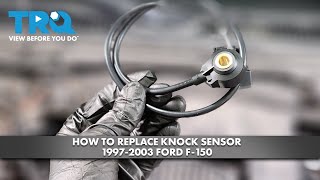
Can I replace the knock sensor myself? 🎬 See this step-by-step walkthrough for replacing the sensor
This is an advanced DIY job. It requires removing the fuel rails, injectors, and the entire intake manifold. It is not recommended for beginners due to the complexity and the risk of creating other issues like vacuum or coolant leaks if not reassembled correctly.
Should I replace both knock sensors at the same time?
While some models may have one, many 5.4L engines have two sensors. Given that the labor is the same to access one or both, it is highly recommended to replace both sensors and the wiring harness at the same time. This prevents having to do the entire job again if the second original sensor fails later.
Are there any recalls for the knock sensor?
There are no specific recalls for the knock sensor itself on the 1997-2004 Ford Expedition. However, a Technical Service Bulletin (TSB #8058) was issued for some 4.6L engines where a replacement engine block had a different sized threaded hole for the sensor, requiring attention during a swap.
Helpful Videos
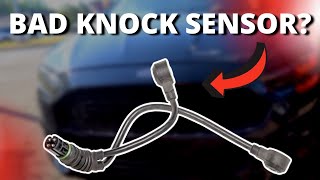
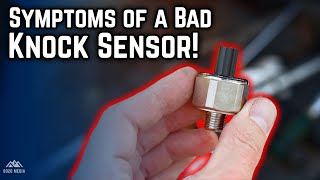
Technical Specifications
OEM Part Numbers: F8AZ-12A699-A 1F1Z-12A699-AA
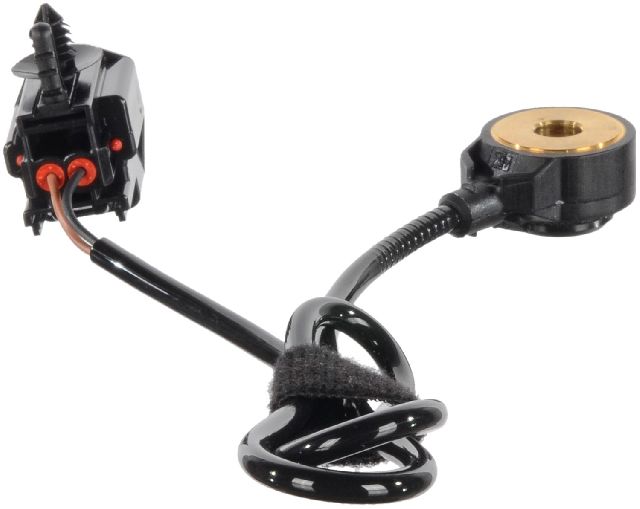
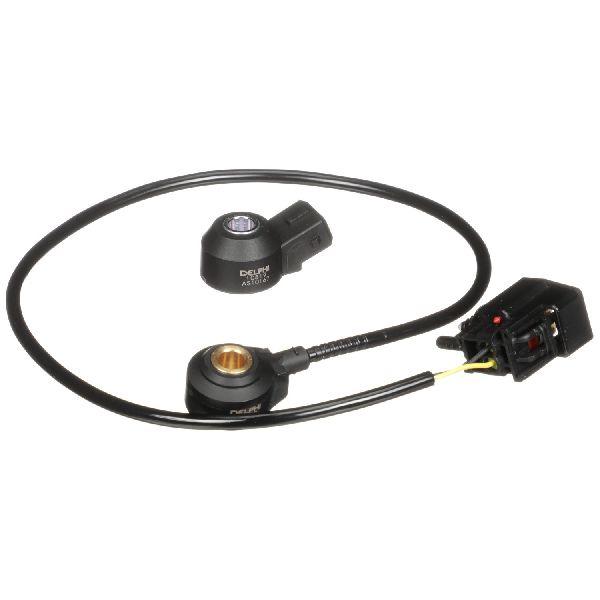
Typically a two-wire piezoelectric sensor. The number of sensors (one or two) and connector style can vary by engine (4.6L vs 5.4L) and year, so verifying fitment is crucial.
We Have This Part in Stock


The information in this article is provided for general reference and educational purposes only. Vehicle specifications, procedures, and part compatibility can vary by production date, trim level, and region. Always consult your vehicle's factory service manual and verify part numbers before purchasing or performing repairs. Safety-critical components such as airbags, seat belts, and braking systems should be installed by a qualified professional.
- Ford Expedition:
- 🎬 Helpful Videos
- 🛍️ Shop This Part
- Is a Bad Knock Sensor a Serious Problem?
- The Biggest Challenge: Location
- Top Symptoms of a Failing Knock Sensor
- Choosing the Right Aftermarket Knock Sensor
- A Common Cause of Failure
- Brand Quality Tiers
- Cost to Replace Ford Expedition Knock Sensors
- Frequently Asked Questions
- 🎟️ Get 5% Off