

Ford Explorer Throttle Position Sensor (1997-2004): Symptoms and Replacement
If your Explorer hesitates, stalls, or idles erratically, the throttle position sensor is a likely culprit.
- Hesitation when accelerating is the number one symptom of a failing TPS on this Explorer.
- For electronic parts like the TPS, using an OEM Motorcraft sensor is strongly recommended for reliability.
- This is a simple DIY replacement that takes under an hour with basic tools.
- A recall for sticking throttles was issued for 1997-98 models with the 4.0L SOHC engine.
Is Your Explorer's TPS Failing?
A bad throttle position sensor can cause a range of frustrating and potentially unsafe driving problems. Because the sensor's signal is critical for engine and transmission control, a failure can mimic other issues. However, a few key symptoms point directly to the TPS.
🎬 Watch: How to test and replace your Explorer's TPSTop 5 Failure Symptoms
- Hesitation or No Throttle Response: This is the most common complaint. You press the gas pedal, but the engine stumbles or doesn't respond right away. This can be dangerous when trying to merge into traffic.
- Stalling and Rough Idle: The engine may stall when you come to a stop, or the idle speed may surge up and down for no reason.
- Erratic Shifting: Your automatic transmission may shift hard, late, or at the wrong times because it's getting bad information about throttle position.
- Jerking or Bucking: During acceleration, the vehicle might jerk or buck as the computer receives inconsistent voltage signals from the failing sensor.
- Check Engine Light: A faulty TPS will almost always trigger the Check Engine Light. Common trouble codes include P0120, P0121, P0122, P0123, and P0124.
Known Issue: 1997-1998 4.0L SOHC Engine Recall
Ford issued a recall (NHTSA #00V-422) for 1997-1998 Explorers with the 4.0L SOHC V6 engine. A manufacturing defect in the throttle body could cause the throttle plate to stick, leading to a sudden engine surge. The official fix was a complete replacement of the throttle body assembly. While this recall is old, it highlights a known issue with the throttle system on these specific models.
Choosing the Right Aftermarket TPS
When it comes to electronic sensors, Ford engines of this era can be particular. While many aftermarket options are available, quality can vary significantly. Saving a few dollars on a cheap sensor can lead to continued problems and more time spent on repairs. Here’s how the brands generally stack up:
- Tier 1: OEM (Motorcraft)
Motorcraft is Ford's official parts brand and is the safest bet for reliability and compatibility. Owners and mechanics consistently report that using the OEM sensor solves issues that cheap aftermarket parts do not. - Tier 2: Premium Aftermarket (Delphi, NGK)
Brands like Delphi and NGK have a strong reputation for producing quality sensors that meet or exceed original equipment (OE) standards. They are often a reliable choice if a Motorcraft part is not available or is outside your budget. - Tier 3: Standard/Budget Aftermarket (Dorman, Walker, etc.)
These brands offer a more affordable price point. While they may function correctly, owner feedback suggests a higher risk of premature failure or incorrect readings compared to OEM or premium brands. For a critical sensor like the TPS, it's often worth spending more for a higher-quality part.
| Part Type | Estimated Cost |
|---|---|
| New OEM (Motorcraft) | $50 - $85 |
| New Aftermarket | $30 - $112 |
| Shop Labor | $85 - $140 |
Pro Tip: Replacing the Screws
The two small screws holding the TPS are often installed with thread locker at the factory and can be difficult to remove without stripping the heads. It's a good idea to replace the original Phillips head screws with new hex-head bolts (size M5-0.80 x 30mm) for much easier installation and future removal.
🎬 See these pro tips for a smooth sensor installationFrequently Asked Questions
Is replacing a TPS a difficult job?
No, this is a great DIY job for beginners. The sensor is usually easy to access after removing the air intake tube. The only common difficulty is removing the two mounting screws without stripping them. The entire job typically takes less than an hour.
🎬 Watch this step-by-step replacement guide for 2002-2005 modelsDo I need to calibrate the new TPS?
No, the throttle position sensor on the 1997-2004 Explorer is not adjustable. Simply bolt the new one on. After installation, it's a good practice to disconnect the battery for about 15 minutes to reset the PCM, allowing it to learn the values from the new sensor.
Could my problem be a dirty throttle body instead?
Yes, sometimes symptoms like a sticking throttle or rough idle can be caused by carbon buildup inside the throttle body. While you are replacing the TPS, it is a perfect time to clean the throttle body bore and plate with a dedicated throttle body cleaner. Do not spray cleaner directly on the new sensor.
What are the OEM part numbers for the Explorer TPS?
Common Motorcraft part numbers that fit this year range include DY-967 and CX-1542 (which replaces F57Z-9B989-A). However, it is always best to verify the exact part number for your specific engine (4.0L OHV, 4.0L SOHC, or 5.0L V8) using your vehicle's VIN.
Helpful Videos
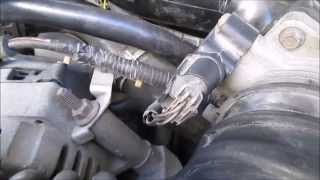
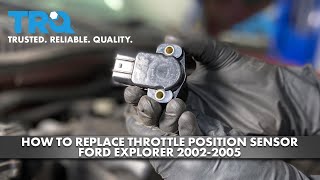
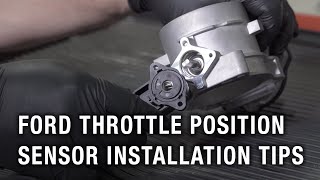
Technical Specifications
OEM Part Numbers: DY-967 F57Z-9B989-A CX-1542 F4SZ-9B989-AA
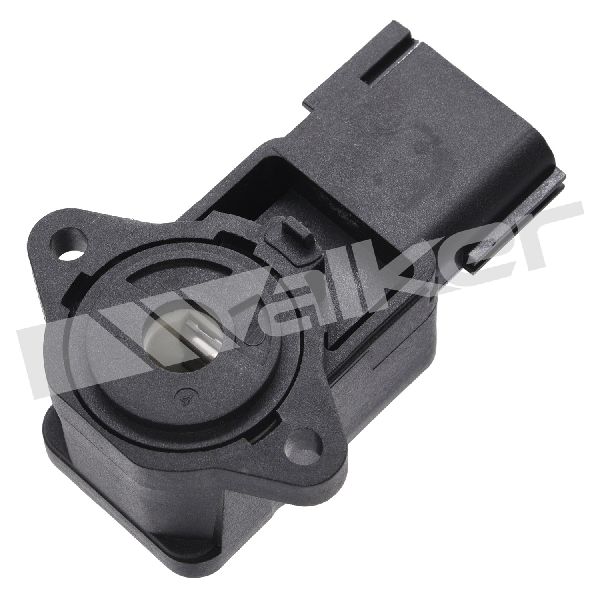
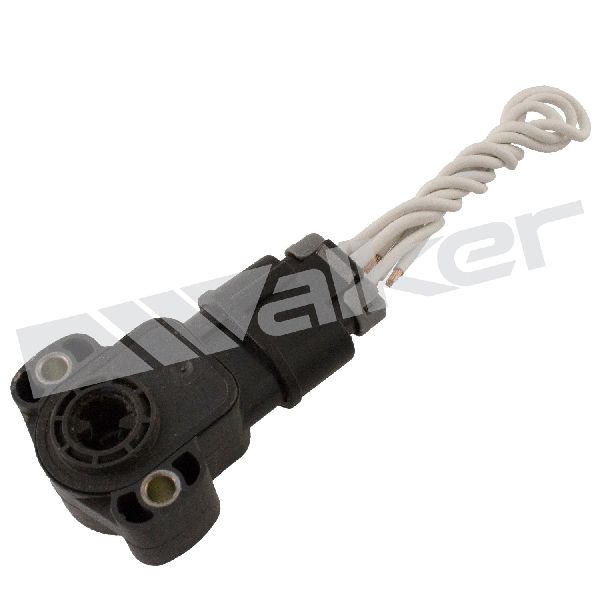
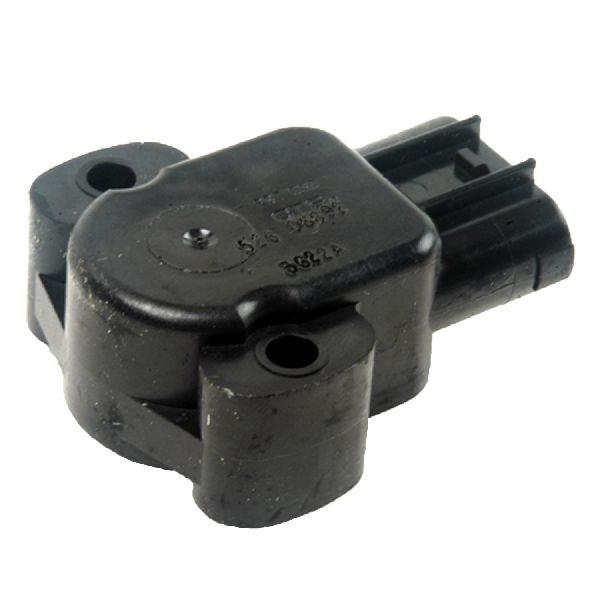
3-pin electrical connector, mounts to throttle body with two screws. Operation is non-adjustable.
We Have This Part in Stock


The information in this article is provided for general reference and educational purposes only. Vehicle specifications, procedures, and part compatibility can vary by production date, trim level, and region. Always consult your vehicle's factory service manual and verify part numbers before purchasing or performing repairs. Safety-critical components such as airbags, seat belts, and braking systems should be installed by a qualified professional.
- Ford Explorer: