

Ford F-150 (1997-2004) ABS Wheel Speed Sensor Guide
Everything you need to know about diagnosing and replacing the ABS sensors on your tenth-generation F-150.
- A bad ABS sensor will trigger the ABS light and disable the system.
- Unwanted brake pulsing at low speeds is a common symptom, often fixed by cleaning the sensor.
- The single rear sensor on the differential also controls the speedometer.
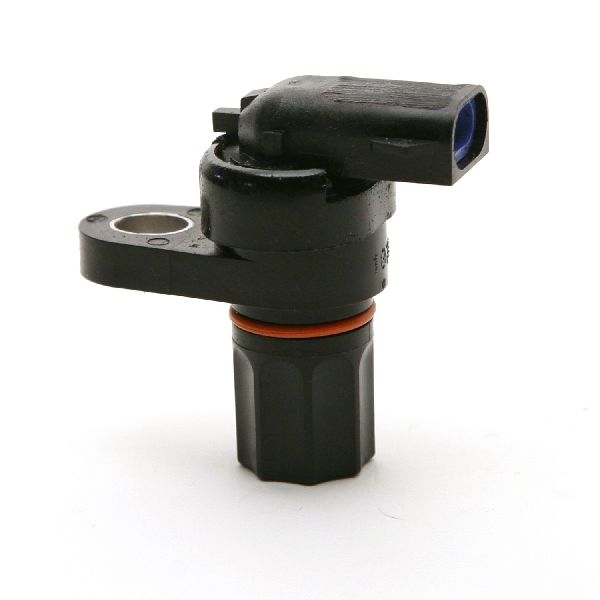
- Aftermarket brands like Delphi and Standard Motor Products are reliable alternatives to the often-discontinued OEM parts.
Is Your F-150's ABS Light On?
A bad ABS wheel speed sensor is a very common problem on the 1997-2004 Ford F-150. These sensors live in a harsh environment near the wheels, exposed to dirt, water, and heat. Over time, they can fail due to contamination, damage to the wiring, or internal electronic failure. When a sensor fails, the ABS computer loses the speed reading from that wheel, triggering the ABS warning light on your dashboard and disabling the anti-lock braking system.
Known Issue: Unwanted ABS Activation
A frequent complaint for this F-150 generation is the ABS activating at low speeds, like when pulling up to a stop sign. This feels like a pulsing or grinding in the brake pedal when it shouldn't be happening. This is often caused by rust and debris building up on the sensor's magnetic tip or on the tone ring it reads, creating a false signal. Sometimes, simply removing and cleaning the sensor and its mounting surface can fix this issue without needing a new part.
Choosing the Right Aftermarket Sensor
For an older truck like the 1997-2004 F-150, the original Motorcraft sensors may be discontinued or hard to find. Luckily, the aftermarket offers many good alternatives. You don't necessarily need the most expensive option for a reliable repair. Aftermarket brands have often improved on the original designs. However, be cautious with the cheapest, no-name options, as some owners report issues with incorrect connectors or premature failure.
Brand Quality Tiers
- Premium Brands (SKF, Delphi, Standard Motor Products): These companies are often original equipment (OE) suppliers for various automakers and are known for high-quality parts that meet or exceed factory specifications. They are a trusted choice for a long-lasting repair.
- Standard/Value Brands (Dorman, Hella, NGK/NTK, Walker): These brands offer a good balance of quality and price. Dorman is a popular choice and is often considered a fair alternative to OEM parts. NGK (NTK for sensors) is also a well-regarded name in engine management components.
- Economy Brands (URO Parts, True Tech, Holstein): These are typically the most affordable options. While they can be a cost-effective solution, quality can be inconsistent. They may be a good choice for a budget repair, but be prepared for the possibility of a shorter lifespan compared to premium brands.
How Much Does It Cost to Replace an F-150 ABS Sensor?
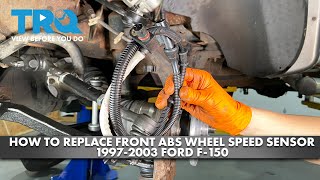
The cost depends on whether you do it yourself or have a shop do the work. The rear sensor is generally cheaper and easier to replace than the front sensors. The front sensors require more labor, as you often need to remove the brake caliper and rotor 🎬 Watch this step-by-step guide to replacing a front ABS sensor. to access them.
| Part/Service | Estimated Cost |
|---|---|
| New Aftermarket Sensor | $22 - $174 |
| Shop Labor (Rear) | $50 - $100 |
| Shop Labor (Front) | $100 - $250 |
| Total Professional Replacement | $72 - $424 (per sensor) |
Front vs. Rear Sensors
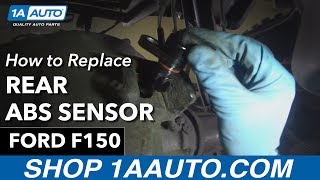
The 1997-2004 F-150 uses two different types of sensors. The front wheels have individual sensors located on the steering knuckle. The rear wheels are monitored by a single sensor mounted on top of the rear differential housing. 🎬 See how easy it is to swap the rear differential sensor. Make sure you order the correct part for the location that needs replacement.
Frequently Asked Questions
Can I replace just one bad sensor?
Yes, you only need to replace the sensor that has failed. The ABS system will identify the specific sensor causing the problem and store a corresponding trouble code. A mechanic can read this code to pinpoint which wheel sensor needs to be replaced.
🎬 Learn how to test and replace your sensors like a pro.Do I need to reset the computer after replacing the sensor?
Usually, no. Once the new sensor is installed correctly, the ABS computer will recognize it on the next startup. The ABS light on the dashboard should turn off on its own after a short drive.
What's the difference between a 2WD and 4WD front sensor?
The sensors themselves can be different between 2WD and 4WD models for the front wheels. The tone ring they read is integrated into the wheel hub/bearing assembly, which differs between the two drivetrains. Always confirm the part fits your specific 2WD or 4WD truck before ordering.
Why is my ABS light still on after replacing the sensor?
If the light remains on, there could be another issue. The problem could be a damaged wire leading to the sensor, a problem with the ABS module itself, a dirty or damaged tone ring in the hub, or you may have installed an incorrect or faulty aftermarket part. It's also important to ensure the mounting surface is clean and the sensor has the correct air gap from the tone ring.
Was there a recall for the ABS sensor on this truck?
There were no specific recalls for the ABS wheel speed sensors themselves on the 1997-2004 F-150. However, there was a major recall (NHTSA ID: 05V388000) for the cruise control deactivation switch, which could leak brake fluid and cause a fire. While unrelated to the sensor's function, this is an important safety recall for owners of these trucks to be aware of.
Helpful Videos

Technical Specifications
OEM Part Numbers: F85Z-9E731-AB F85Z-2C204-AB F75Z-2C204-AC F65Z-2C204-AD
The system uses two front wheel sensors (one per side) and one rear sensor mounted on the differential. Front sensors differ for 2WD and 4WD models. The rear sensor is the same for both.
We Have This Part in Stock


The information in this article is provided for general reference and educational purposes only. Vehicle specifications, procedures, and part compatibility can vary by production date, trim level, and region. Always consult your vehicle's factory service manual and verify part numbers before purchasing or performing repairs. Safety-critical components such as airbags, seat belts, and braking systems should be installed by a qualified professional.
- Ford F-150: