

1997-2004 Ford F-250 Engine Cylinder Head Temperature Sensor: A Guide
This small sensor is critical on Triton gas engines and can cause big problems, from poor running to a 'limp mode' that leaves you stranded.
- This is a CHT sensor, not an ECT sensor; it reads metal temperature and is critical for Ford's fail-safe cooling system.
- A failure can trigger a 'limp mode' with severe power loss, even if the engine isn't actually overheating.
- On V8 and V10 gas engines, the sensor is located under the intake manifold, making replacement a labor-intensive job.
- Always inspect the wiring pigtail for damage, as it can fail and mimic the symptoms of a bad sensor.
Understanding the CHT Sensor on Your F-250
For the 1997-2004 Ford F-250, it's important to know which engine you have. The Cylinder Head Temperature (CHT) sensor is used on the modular gas engines, primarily the 5.4L V8 and 6.8L V10 found in the 1999-2004 Super Duty models. These trucks often do not have a separate Engine Coolant Temperature (ECT) sensor for the computer; they rely solely on the CHT. A failure of this single sensor can make the truck run poorly, trigger a check engine light, or cause the temperature gauge to act erratically. In some cases, the PCM will activate a "limp mode" to protect the engine, which dramatically reduces power.
A Note on Model Years
The 1997-2004 F-250 range covers two distinct truck generations. The 1997-1998 F-250 light-duty used a different body and engine lineup. The 1999-2004 F-250 Super Duty introduced the Triton V8 and V10 engines where this CHT sensor is most common. This guide focuses on those Super Duty gas models.
Symptoms of a Failing CHT Sensor
When the CHT sensor starts to fail, your truck will give you signs. Because the sensor provides critical data, a bad reading can cause a wide range of issues:
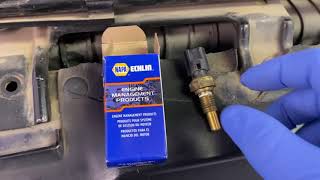
- Check Engine Light: This is often the first sign. You may see codes like P1289 (Cylinder Head Temperature Sensor Circuit High) or P1299 (Cylinder Head Overtemperature Protection Active). 🎬 Watch a video on diagnosing these specific CHT sensor codes.
- Erratic Temperature Gauge: The gauge on your dashboard may shoot up to hot, even on a cold engine, or not move at all.
- Engine Overheating or Limp Mode: The PCM might think the engine is overheating (even if it's not) and activate fail-safe cooling. This can involve the cooling fans running constantly, a loss of power, and rough running as the computer shuts down cylinders to cool the engine.
- Poor Engine Performance: A bad sensor can lead to a rich or lean fuel mixture, causing reduced power, poor fuel economy, and hesitation.
- Hard Starting: The engine may crank for a long time before starting, especially when cold.
Choosing the Right Aftermarket CHT Sensor
While the OEM Motorcraft part is the original, several reputable aftermarket brands offer quality replacements at a better price. For a sensor this critical and difficult to access, it's not wise to choose the cheapest option available.
Brand Tiers for F-250 CHT Sensors:
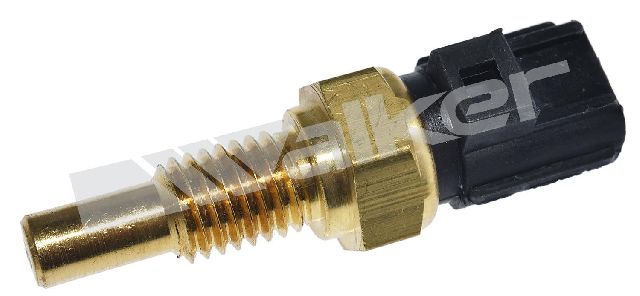
- Premium Aftermarket: Brands like Standard Ignition (SMP) and Walker Products are well-known in the industry for producing parts that meet or exceed OE specifications. They are a reliable choice for a balance of cost and quality.
- Quality Aftermarket: Brands like Facet and Holstein also have a long-standing presence and offer a dependable alternative to OEM.
- Economy Options: Brands like Motorad, Global Parts, and Skyward are typically the most budget-friendly. While they can work, their longevity and the precision of their temperature readings may not match the higher-tier brands. Given the difficult labor involved in replacement, saving a few dollars on the part itself might not be worth the risk of a premature failure.
Pro Tip: Inspect the Wiring First
The wiring and connector pigtail for the CHT sensor can become brittle and fail over time due to engine heat. A damaged wire can cause the exact same symptoms as a failed sensor. Always inspect the wiring harness for cracks, corrosion, or loose connections before replacing the sensor itself.
Cost of Replacing the F-250 CHT Sensor
| Part Type | Estimated Cost |
|---|---|
| New OEM (Motorcraft) | $25 - $70 |
| New Aftermarket | $14.84 - $38.89 |
| Shop Labor | $200 - $500+ |
Labor costs are high because on the 5.4L and 6.8L engines, the sensor is located under the intake manifold. This can be a 2-4 hour job for a professional.
Frequently Asked Questions (FAQ)
Where is the CHT sensor located on the 1999-2004 F-250?
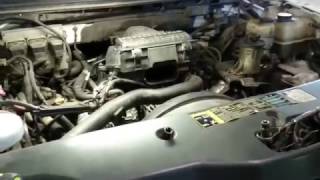
On the 5.4L V8 and 6.8L V10 Triton engines, the CHT sensor is located on the driver's side cylinder head, underneath the intake manifold, 🎬 View the exact location of the CHT sensor on the engine. between the cylinders. Accessing it often requires removing the alternator and working in a tight space, or removing the entire intake manifold.
🎬 See a DIY guide for replacing the sensor on Triton engines.What is the difference between a CHT and an ECT sensor?
A CHT (Cylinder Head Temperature) sensor measures the actual metal temperature of the engine's cylinder head. An ECT (Engine Coolant Temperature) sensor measures the temperature of the engine coolant. On these specific Ford trucks, the CHT is used instead of an ECT for the main computer readings, providing a fail-safe in case of coolant loss.
Do I need to drain the engine coolant to replace the CHT sensor?
No. The CHT sensor is installed in a "dry hole" in the cylinder head, meaning it does not come into direct contact with coolant. You do not need to drain the cooling system for this job, though you may need to if you remove the intake manifold for access.
Can a bad CHT sensor cause a no-start condition?
Yes. A completely failed sensor can prevent the engine computer from getting any temperature reading, which can lead to a no-start or a start-and-stall condition. The computer may also see a false, extremely high temperature reading and disable the engine to prevent damage.
Helpful Videos

Technical Specifications
OEM Part Numbers: 8L3Z-6G004-A F65Z-6G004-AB 9L8Z-6G004-F
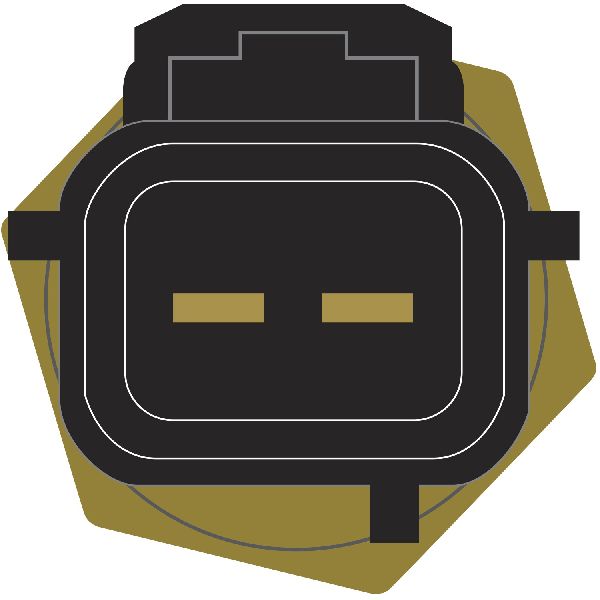
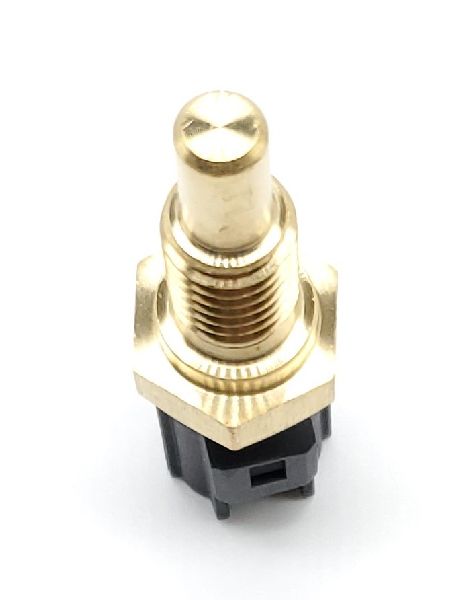
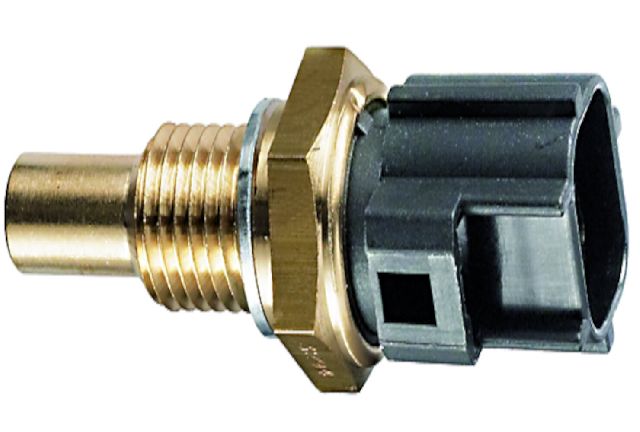
This is a two-wire thermistor sensor that installs into a dry-hole on the driver's side cylinder head. It does not require draining coolant for replacement. The sensor's resistance changes with temperature, sending a voltage signal to the PCM.
We Have This Part in Stock


The information in this article is provided for general reference and educational purposes only. Vehicle specifications, procedures, and part compatibility can vary by production date, trim level, and region. Always consult your vehicle's factory service manual and verify part numbers before purchasing or performing repairs. Safety-critical components such as airbags, seat belts, and braking systems should be installed by a qualified professional.
- Ford F-250: