

Ford F-250 Ignition Knock Sensor Guide for 1997-2004 Models
Is your F-250 feeling sluggish or showing a check engine light? It could be a bad knock sensor.
- The knock sensor is under the intake manifold; replacement is a high-labor job.
- Always check for arcing ignition coils first, as they can cause the same error codes.
- Due to high labor costs, use a top-tier brand like Bosch or Delphi to avoid repeat repairs.
- If replacing one sensor, replace both (on V8/V10), the wiring harness, and intake gaskets at the same time.
Symptoms of a Failing Knock Sensor
A bad knock sensor can cause noticeable problems. Sometimes the only sign is a light on your dashboard. Because this sensor is important for engine health, you shouldn't ignore these warnings.
Check This First!
Before you assume the knock sensor is bad, check your ignition coils. On the 5.4L and 6.8L Ford engines, a bad coil-on-plug (COP) can arc electricity to the engine block. This electrical noise can trick the computer into thinking the knock sensor has failed, triggering the same P0325 or P0330 trouble codes. Inspecting and replacing a bad coil is much easier and cheaper than replacing the knock sensor.
Common Failure Symptoms:
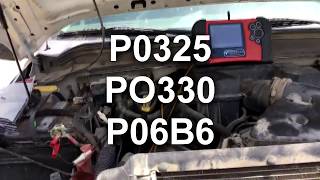
- Check Engine Light: This is the most common symptom. The computer will store a trouble code, usually P0325 or P0330, pointing to a problem with the knock sensor circuit. 🎬 Watch: Understanding knock sensor trouble codes P0325 and P0330
- Poor Acceleration: Your truck may feel sluggish or down on power. The computer may switch to a 'safe' mode with reduced timing to prevent damage, which hurts performance.
- Worse Fuel Economy: When ignition timing isn't optimal, your engine burns more fuel than it needs to.
- Engine Pinging: You might hear a metallic pinging or rattling sound, especially when the engine is under a heavy load, like when towing or going up a hill.
Choosing the Right Aftermarket Part
Replacing the knock sensor on a 1999-2004 F-250 Super Duty is a big job because the sensor is buried under the intake manifold. Labor costs are high, so this is not a part you want to replace twice. Choosing a quality, reliable sensor is critical.
Brand Quality Tiers
Top Tier (OEM Quality): These brands are known to be original equipment suppliers or have a strong reputation for reliability. For a high-labor job like this, sticking to this tier is highly recommended.
- Bosch: Often an Original Equipment (OE) supplier for Ford and other manufacturers. A top choice for quality and reliability.
- Delphi: Widely regarded as an OEM-equivalent supplier and a trusted choice for professional mechanics.
Mid Tier (Reputable Aftermarket): These brands offer a good balance of price and quality and are well-regarded by many users.
- NGK / NTK: Known for their ignition components, NTK (a part of NGK) makes sensors that many users find to be on par with OEM quality.
- Standard Ignition (SMP): A long-standing, trusted name in engine management parts with a reputation for producing quality components.
Value Tier (Use With Caution): While the price is low, the risk of premature failure is higher. The savings on the part do not outweigh the risk of paying for the labor all over again.
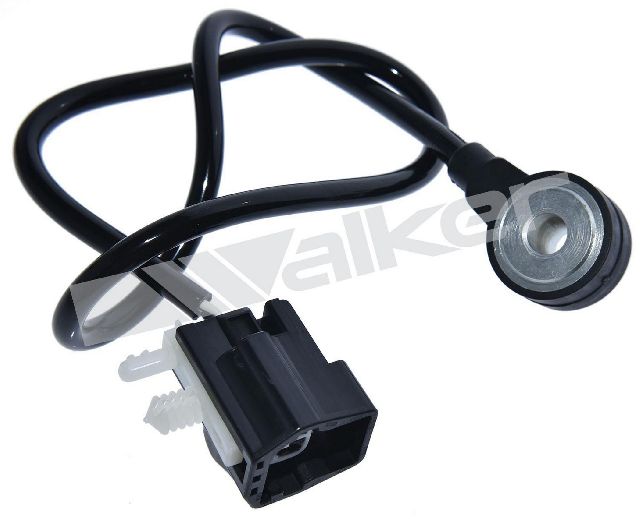
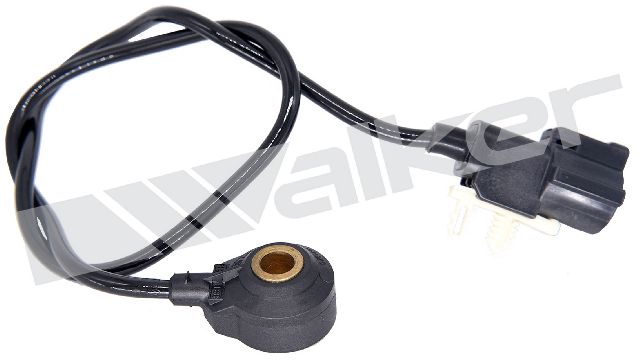
- Walker Products: A known aftermarket sensor manufacturer, but generally considered a step below the top tiers.
- Global Parts / Store Brands: Best avoided for a difficult-to-access part like this.
Pro Tip: Replace in Pairs & More
Your V8 or V10 engine has two knock sensors. If you are paying for the labor to remove the intake manifold to replace one, you should replace both at the same time. It is also mandatory to replace the intake manifold gaskets to prevent future vacuum leaks. 🎬 See these expert tips for removing the Triton intake manifold Consider replacing the short wiring harness for the sensors as well, as it can become brittle from heat.
Estimated Replacement Costs
The total cost is dominated by shop labor due to the sensor's location. Accessing it requires removing the entire intake manifold, which is a 4-6+ hour job.
| Item | Estimated Cost |
|---|---|
| New Aftermarket Part (Each) | $35 - $130 |
| New OEM Part (Each) | $55 - $90 |
| Shop Labor | $450 - $900+ |
| Total Professional Replacement | $550 - $1100+ |
Frequently Asked Questions
Where is the knock sensor on a 1997-2004 F-250?
For the 1999-2004 Super Duty with the 5.4L V8 and 6.8L V10 engines, there are two knock sensors located on the engine block in the valley, underneath the plastic intake manifold. You cannot see or access them without removing the manifold. The earlier 1997-1998 models with Triton engines have a similar location.
Is this a difficult DIY job?
Yes, this is a difficult and time-consuming job for a DIY mechanic, rated 4 out of 5 for difficulty. It requires draining coolant, relieving fuel pressure, and removing the alternator, throttle body, fuel rails, ignition coils, and the intake manifold itself. It is not recommended for beginners.
🎬 Watch: Step-by-step knock sensor replacement on a Ford Triton engineMy truck has codes for both knock sensors. Are they both bad?
It's possible, but unlikely for both to fail at the same time. This often points to a wiring harness problem common to both sensors, like rodent damage. It could also be caused by another issue, like an arcing ignition coil, that is confusing the computer.
Are there any recalls for the F-250 knock sensor?
As of early 2026, there are no specific NHTSA recalls or widespread Technical Service Bulletins (TSBs) for knock sensor failure on the 1997-2004 Ford F-250.
Helpful Videos
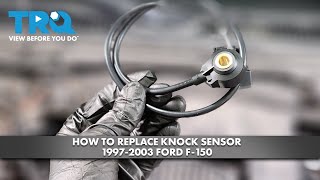
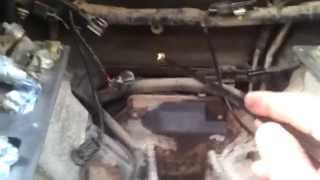
Technical Specifications
OEM Part Numbers: XL3Z-12A699-AA 4L3Z-12A699-AA F77Z-12A699-AA
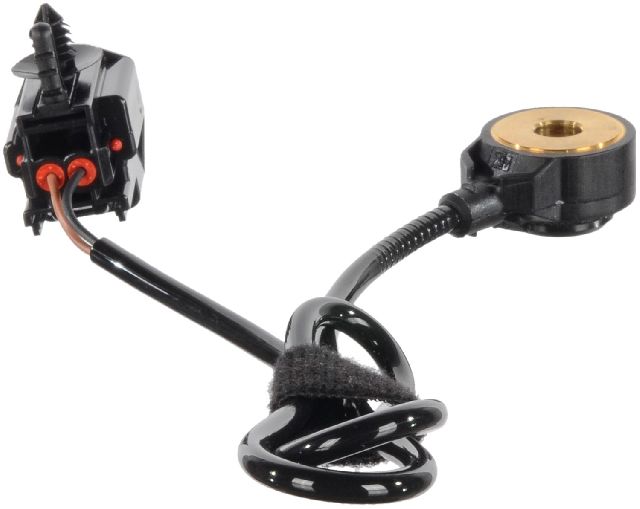
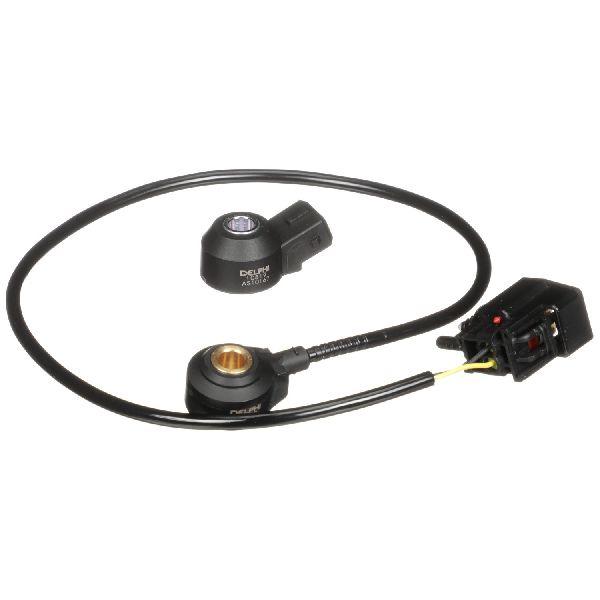
For 1999-2004 Super Duty models, the V8 and V10 engines use two knock sensors. The electrical connector can be square or rectangular, so it's best to verify with your VIN or by visual inspection if possible.
We Have This Part in Stock


The information in this article is provided for general reference and educational purposes only. Vehicle specifications, procedures, and part compatibility can vary by production date, trim level, and region. Always consult your vehicle's factory service manual and verify part numbers before purchasing or performing repairs. Safety-critical components such as airbags, seat belts, and braking systems should be installed by a qualified professional.
- Ford F-250: