

1997-2004 Ford Mustang Engine Coolant Bypass Hose: A Complete Guide
Don't let a small, leaky hose sideline your SN95 or New Edge Mustang.
- The bypass hose is crucial for engine warm-up and heater function; its failure can lead to overheating.
- Symptoms include a sweet coolant smell, visible leaks, steam, and a rising temperature gauge.
- Aftermarket brands like Gates and Continental offer OEM-quality fit and performance for a lower price.
- Replacement difficulty varies greatly; it's simple on a V6 but can be very complex on a V8 if the hose is under the intake manifold.
Is Your Mustang's Coolant Bypass Hose Failing?
Like all rubber parts, the coolant bypass hose breaks down over time. Exposure to heat and pressure makes it hard, brittle, or soft and swollen. When it fails, it will leak coolant. Ignoring this can lead to serious engine damage from overheating. Watch for these common signs of failure.
Symptoms of a Bad Bypass Hose
- Coolant Smell: This is often the first sign. You'll notice a sweet smell from the engine bay, especially when the engine is hot. On 4.6L V8s, a hose under the intake manifold can leak onto the hot engine and burn off, making the smell very noticeable.
- Visible Leaks or Puddles: You might see green, yellow, or orange puddles under your car. The hose itself may be wet or have crusty, colored deposits around it.
- Steam from Engine Bay: If leaking coolant drips onto hot engine parts, it will turn into steam or white smoke.
- Low Coolant Level: You may find yourself needing to top off the coolant reservoir more often than usual.
- Engine Overheating: This is the most serious symptom. If the leak is large enough, the loss of coolant will cause your engine's temperature gauge to climb into the red.
Choosing the Right Aftermarket Hose
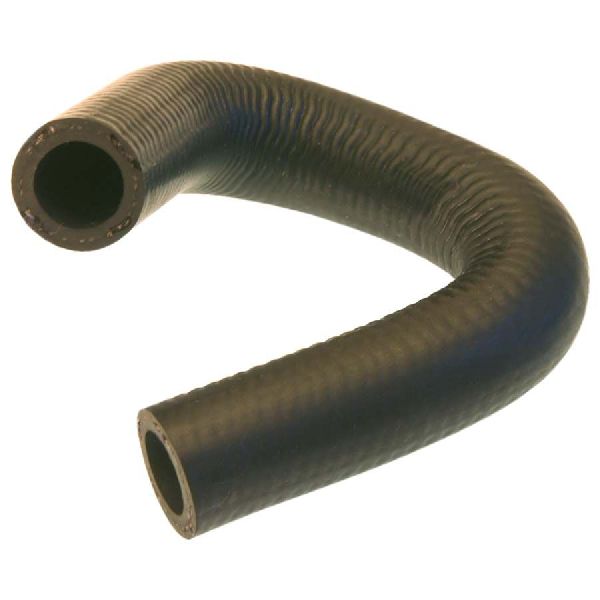
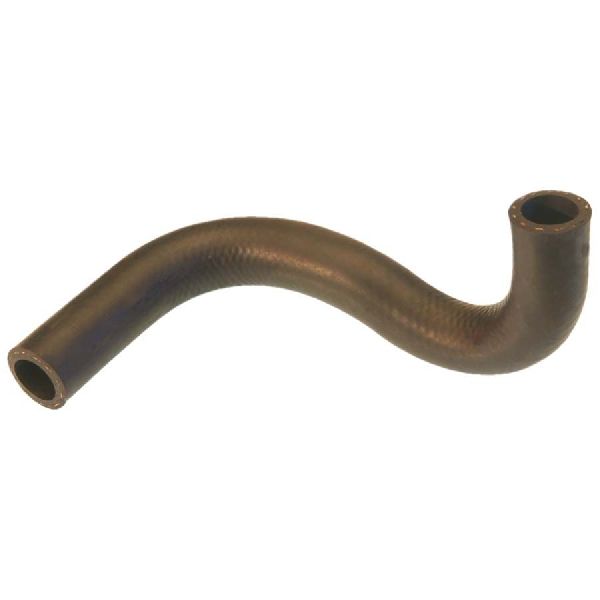
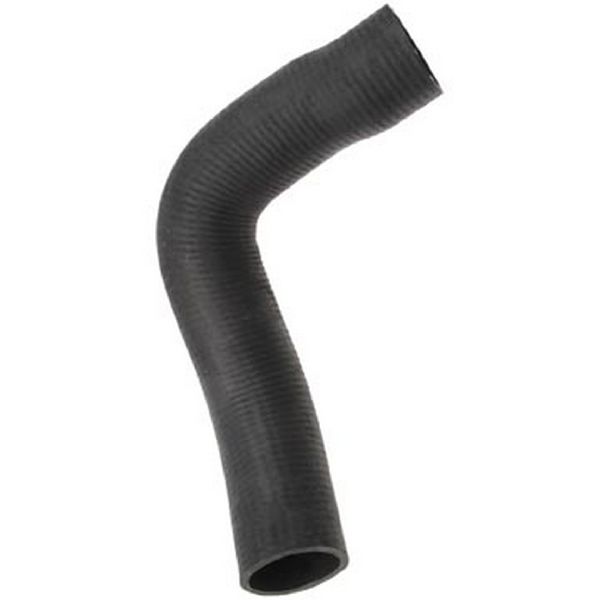
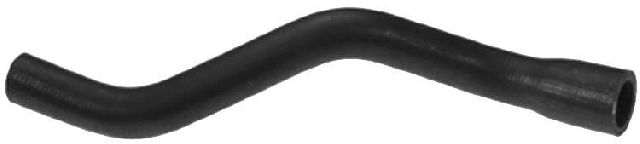
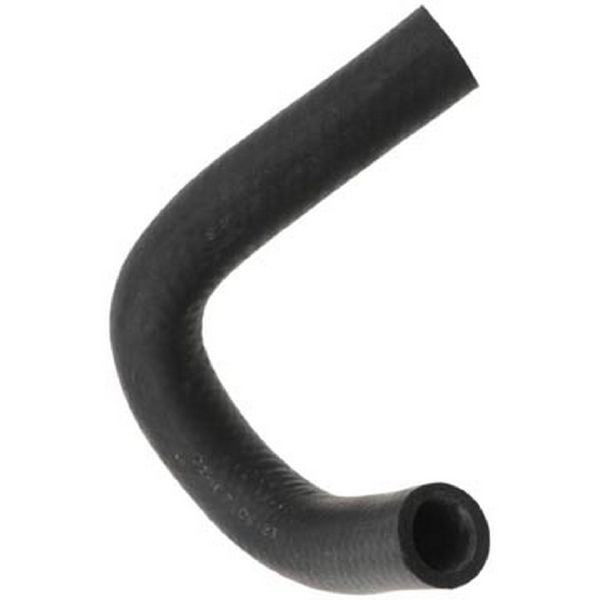
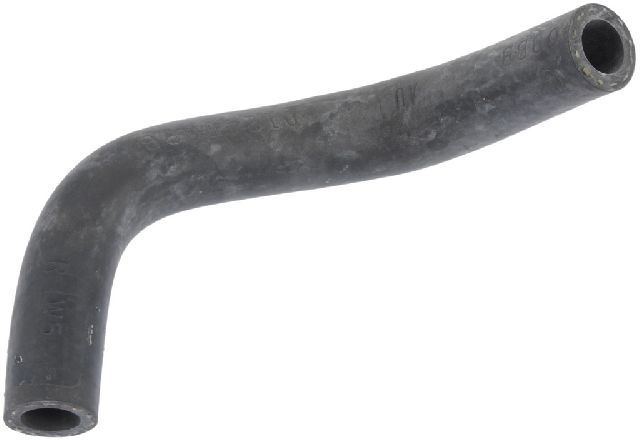
For a part like a coolant hose, you don't need to pay for a dealership part. Quality aftermarket brands offer excellent performance and value. The key is to get a molded hose that fits exactly like the original. Avoid using a generic straight hose that can kink and block coolant flow.
Here’s a look at the common brands available for your Mustang:
- Gates: Often considered the top tier for aftermarket hoses. Gates is known for excellent quality control and fitment that is very close to OEM standards. They engineer their hoses to resist electrochemical degradation, which is a primary cause of hose failure.
- Continental (ContiTech): Another premium brand that is well-respected. Continental hoses are a reliable choice and are considered equivalent in quality to Gates by many mechanics.
- Dayco: A widely available and budget-friendly option. While many users have no issues with Dayco, some have reported occasional fitment problems compared to Gates or Continental. They are a decent choice if budget is the main concern, but check the shape against the old part before installing.
Pro Tip: Replace Your Clamps!
Always replace the hose clamps when you replace a coolant hose. Old spring clamps lose their tension, and worm-gear clamps can be reused but often create an uneven seal. New spring clamps provide the best, most consistent pressure. Gates specifically recommends this practice.
Estimated Costs
The cost to replace the coolant bypass hose is reasonable, but labor costs can vary depending on your Mustang's engine and the location of the hose.
| Item | Estimated Cost |
|---|---|
| New Aftermarket Hose | $18.00 - $38.36 |
| Shop Labor (V6 or accessible V8 hose) | $75 - $150 |
| Shop Labor (V8 under-intake hose) | $300 - $500+ (due to intake manifold removal) |
Frequently Asked Questions
Can I drive with a leaking coolant bypass hose?
It is not recommended. A small leak can become a large one without warning, leading to rapid coolant loss and engine overheating. This can leave you stranded and cause catastrophic engine damage. If you see steam or the temperature gauge is rising, pull over immediately and shut off the engine.
How hard is it to replace the bypass hose myself?
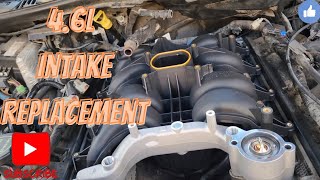
This depends entirely on your engine. On the 3.8L V6, the hose is generally accessible. On the 4.6L V8, if it's the short hose near the thermostat, it's tight but manageable for a DIYer. However, some V8s have a metal/rubber bypass tube that runs under the intake manifold. Replacing this is a major job that officially requires removing the intake. 🎬 Watch this walkthrough on removing the intake to fix leaks. Many owners opt for a well-documented shortcut by running a new hose around the back of the engine.
Were there any recalls for this part?
No. There are no NHTSA recalls or major Technical Service Bulletins (TSBs) for the engine coolant bypass hose on the 1997-2004 Ford Mustang. Hoses are considered a standard maintenance or wear item.
Should I use a special tool for the hose clamps?
For the factory spring clamps, using a pair of hose clamp pliers will make the job much easier and safer than trying to use regular pliers. They are designed to lock open, allowing you to use both hands to move the hose.
Helpful Videos
Technical Specifications
OEM Part Numbers: KM-4631
Molded EPDM rubber hose designed to resist heat, pressure, and electrochemical degradation. Meets SAE 20R3 specifications.
We Have This Part in Stock

The information in this article is provided for general reference and educational purposes only. Vehicle specifications, procedures, and part compatibility can vary by production date, trim level, and region. Always consult your vehicle's factory service manual and verify part numbers before purchasing or performing repairs. Safety-critical components such as airbags, seat belts, and braking systems should be installed by a qualified professional.
- Ford Mustang: