

A Guide to Replacing Disc Brake Rotors on Your 1997-2004 Oldsmobile Bravada
Eliminate brake pedal pulsation and restore your SUV's stopping power by choosing the right rotors.
- Crucially, you must identify if your Bravada is a 1997-2001 (Blazer platform) or 2002-2004 (Trailblazer platform) as the brake parts are not interchangeable.
- Always replace brake pads and rotors together as a set to ensure safe, quiet braking and long component life.
- For this vehicle, investing in aftermarket rotors with a full anti-rust coating is highly recommended to prevent rust and improve appearance.
- When doing the job, it is critical to clean the wheel hub surface before installing the new rotor and to service the caliper slide pins to prevent future issues.
Understanding Your Bravada's Brakes: Two Different Generations
When buying brake rotors for a 1997-2004 Oldsmobile Bravada, it is critical to know that two different versions of this SUV exist. The brake parts for these two generations are not the same.
- 1997-2001 Oldsmobile Bravada: These models are built on the GM S-10 truck platform (GMT330), which is shared with the Chevrolet Blazer and GMC Jimmy.
- 2002-2004 Oldsmobile Bravada: These models were redesigned and moved to the newer GMT360 platform, shared with the Chevrolet Trailblazer and GMC Envoy.
Symptoms of Failing Brake Rotors
When your Bravada's rotors are worn out, they will give you clear warning signs. Ignoring them can lead to unsafe driving conditions.
- Vibration or Pulsing: This is the most common symptom. If you feel a shaking in the steering wheel or a pulsing in the brake pedal when you brake, your rotors are likely "warped." This is usually caused by uneven rotor thickness, not the rotor being truly bent.
- Grinding or Squealing Noises: A loud grinding sound means your brake pads are completely worn out, and metal is grinding against the rotor. This is extremely dangerous and damages the rotors quickly.
- Visible Grooves or Damage: If you look at the rotor surface, you might see deep lines, grooves, or a blueish color from overheating.
- Longer Stopping Distances: If your SUV takes more distance to stop than it used to, your rotors may be too thin to work effectively.
Choosing the Right Aftermarket Rotors for Your Bravada
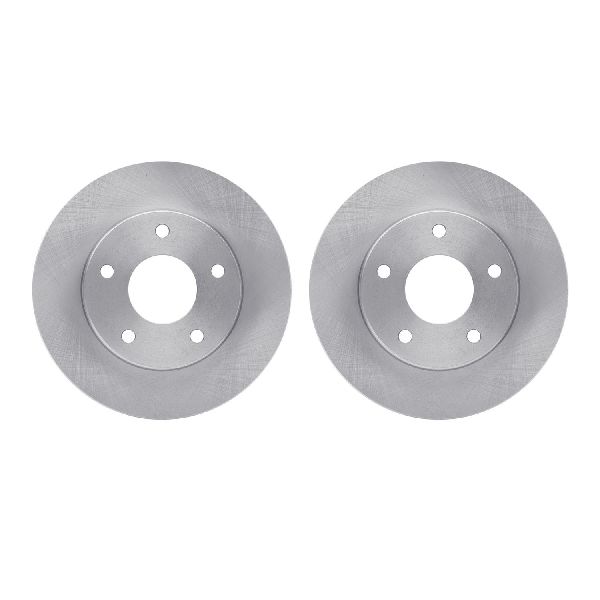
For an older vehicle like the 1997-2004 Bravada, high-quality aftermarket rotors often provide the best value. They can meet or exceed the quality of original factory parts (OEM) for a lower price. Here’s how to choose between available brands like Dynamic Friction and Powerstop.
Tier 1: Daily Driver (OEM Quality)
This is the best choice for most owners who use their Bravada for commuting and everyday driving. These rotors focus on quiet, reliable stopping power.
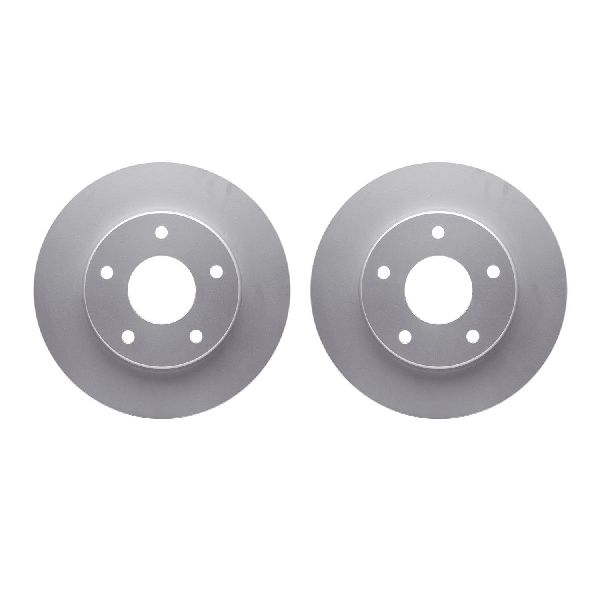
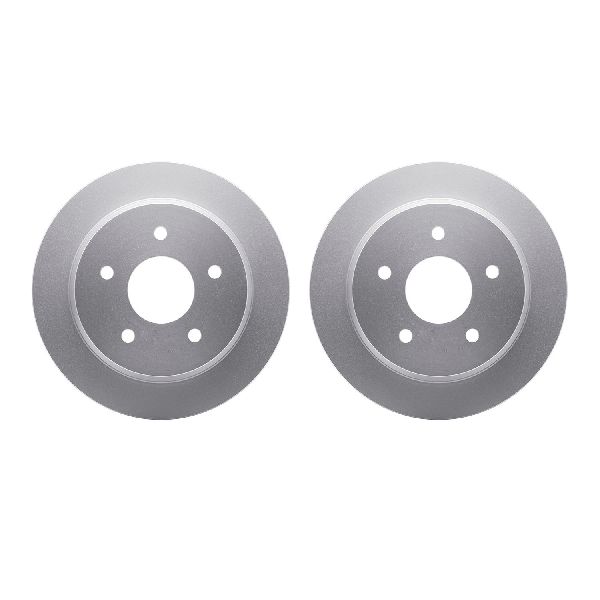
- Dynamic Friction (DFC): DFC is a well-regarded brand that focuses on producing high-quality, OE-equivalent rotors. Their rotors are designed for quiet performance and a good fit. Many DFC rotors come with a protective coating to prevent rust on the non-contact surfaces.
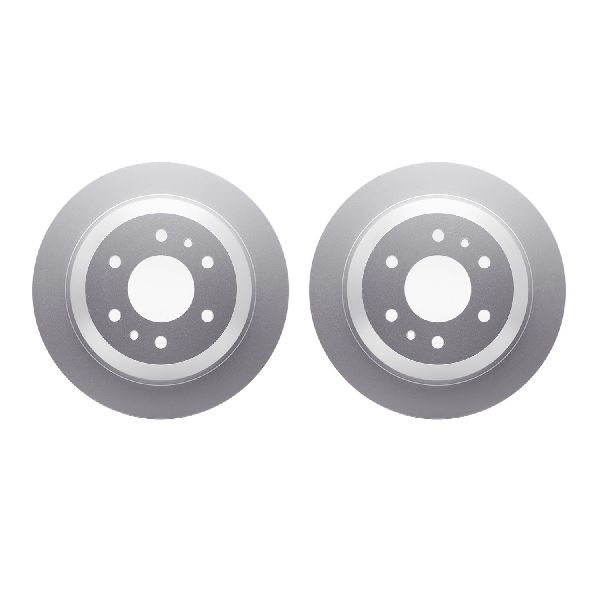
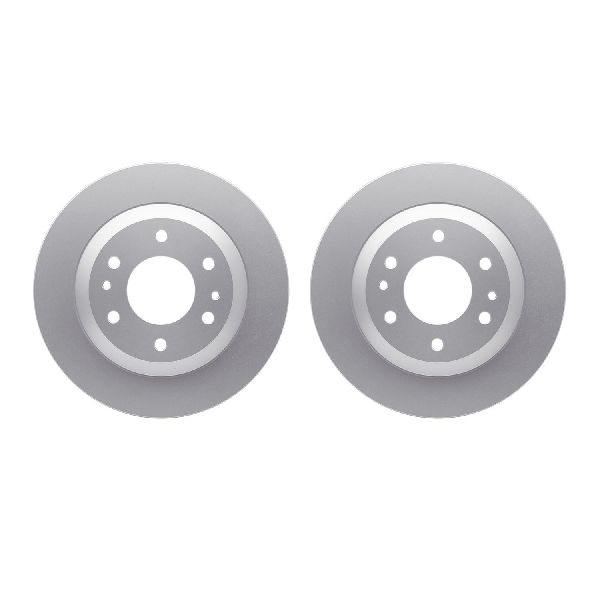
- Coated Rotors: Pro Tip: Always choose rotors with a full anti-rust coating (often called e-coating or Geomet coating). On an SUV like the Bravada, uncoated rotors will quickly show rust on the center hat section, which is visible through your wheels.
Tier 2: Performance & Towing Upgrade
If you use your Bravada for towing, live in a hilly area, or simply want improved braking performance, an upgrade kit is a good option.
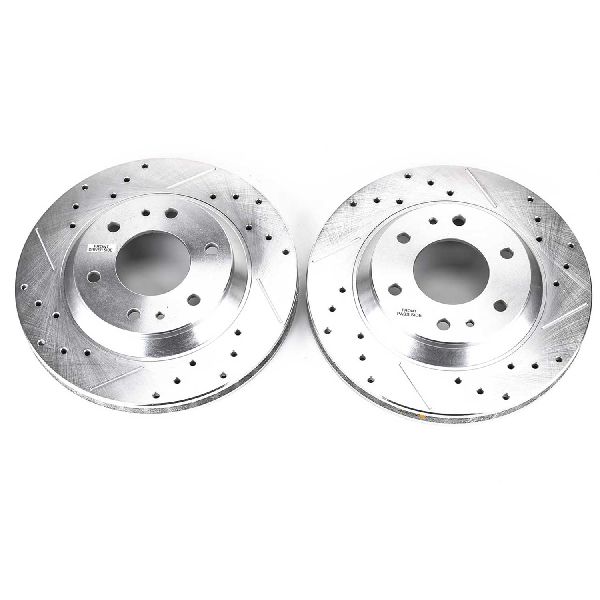
- Powerstop: Powerstop is very popular for its complete brake kits, which include drilled and slotted rotors paired with matching ceramic or carbon-fiber ceramic pads. The slots help clear away gas and dust, while the drilled holes help dissipate heat to reduce brake fade during heavy use. Their Z23 and Z36 kits are common upgrades. Following the specific 'bedding-in' procedure is critical to get the best performance from these kits.
Known Vehicle-Specific Issues
- Sticking Caliper Pins: On the related GMT360 platform (2002-2004 Bravada), caliper slide pins can seize with rust. This prevents the brake pads from wearing evenly and can cause the rotor to overheat and warp. When replacing rotors, it is essential to clean and lubricate these pins.
- Brake Line Recall (1997): Some 1997 models were recalled for a front brake pipe that could fracture, reducing braking performance. While this is an old recall, it highlights the importance of inspecting brake lines for rust and damage on these vehicles.
- Parking Brake: The parking brake on the Bravada is a small drum brake inside the rear rotor hat. These are often rusted and non-functional. It is a good idea to inspect and replace the parking brake shoes and hardware when you replace the rear rotors.
| Part Type | Estimated Cost (for a set of two) |
|---|---|
| New Aftermarket Rotors | $95 - $371 |
| New OEM (ACDelco) Rotors | $240 - $500 |
| Shop Labor (per axle) | $150 - $250 |
Frequently Asked Questions (FAQ)
Should I replace my brake pads at the same time as my rotors?
Yes, absolutely. It is highly recommended to always install new brake pads with new rotors. Putting old, worn pads on a new rotor will cause noise, vibration, and will wear out your new rotors much faster.
What are drilled and slotted rotors? Are they better?
Drilled (holes) and slotted (grooves) rotors are designed to improve braking in heavy-duty situations like towing or performance driving. They help vent hot gases and prevent brake fade. For normal daily driving, a quality solid-surface coated rotor is perfectly fine and often quieter. Brands like Powerstop specialize in drilled and slotted kits.
Can I just resurface (machine) my old rotors?
While it was once common, resurfacing rotors is rarely the best option today. The labor cost to resurface them is often close to the price of new aftermarket rotors. Furthermore, modern rotors are thinner and may not have enough material to be safely machined. Replacement is almost always the safer and more cost-effective choice.
What is the difference between front and rear rotors?
Front and rear rotors are not interchangeable. The front brakes do most of the work, so front rotors are usually larger and are vented (with fins between the two surfaces) to cool better. Rear rotors are typically smaller and may be solid or vented depending on the year. You must order rotors that are specific to the front or rear of your Bravada.
Technical Specifications
The 1997-2004 Oldsmobile Bravada uses a four-wheel disc brake system. The specific rotor diameter, thickness, and bolt pattern differ between the 1997-2001 (GMT330) and 2002-2004 (GMT360) generations. Front rotors are vented, while rear rotors may be solid or vented depending on the specific year and model configuration. The parking brake is a 'drum-in-hat' design integrated into the rear rotors.
We Have This Part in Stock

The information in this article is provided for general reference and educational purposes only. Vehicle specifications, procedures, and part compatibility can vary by production date, trim level, and region. Always consult your vehicle's factory service manual and verify part numbers before purchasing or performing repairs. Safety-critical components such as airbags, seat belts, and braking systems should be installed by a qualified professional.
- Oldsmobile Bravada:
- 🛍️ Shop This Part
- Understanding Your Bravada's Brakes: Two Different Generations
- Symptoms of Failing Brake Rotors
- Choosing the Right Aftermarket Rotors for Your Bravada
- Tier 1: Daily Driver (OEM Quality)
- Tier 2: Performance & Towing Upgrade
- Known Vehicle-Specific Issues
- Frequently Asked Questions (FAQ)
- 🎟️ Get 5% Off