

Throttle Position Sensor (TPS) for the 1997-2004 Pontiac Grand Prix
Solve common engine hesitation, rough idle, and stalling by understanding the throttle position sensor in your Grand Prix.
- A failing TPS on a Grand Prix causes hesitation, rough idle, poor shifting, and can trigger the check engine light.
- For best results and to avoid future issues, choose an OEM-grade replacement from ACDelco or Delphi.
- Replacement is a simple DIY task that requires basic tools and can be completed in under 30 minutes.
- No special calibration is needed, but allowing the computer to perform a 'learn' procedure after installation is recommended.
Symptoms of a Failing Throttle Position Sensor
When the TPS in your 1997-2004 Grand Prix starts to fail, it sends incorrect information to the engine's computer. This can cause a variety of noticeable problems. You should suspect a bad TPS if you experience one or more of the following issues:
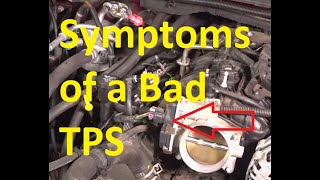
🎬 Watch: See how a bad TPS behaves and how to test it.- Check Engine Light: The most common sign is an illuminated Malfunction Indicator Lamp (MIL), also known as the check engine light. Common codes associated with TPS failure include P0120, P0121, P0122, and P0123.
- Hesitation or Stumbling on Acceleration: The car may hesitate or feel like it's losing power when you press the gas pedal.
- Rough or Unstable Idle: Your engine might idle too high, too low, or surge up and down without you touching the gas pedal.
- Poor Shifting Performance: Automatic transmissions in these cars use TPS data to determine shift points. A bad sensor can lead to harsh, delayed, or erratic shifting.
- Stalling: The engine may stall unexpectedly, especially when you come to a stop or let off the gas.
- Reduced Fuel Economy: Because the computer can't properly manage the air-fuel mixture, your gas mileage may suffer.
Reduced Engine Power Mode
In some cases, especially on the 2004 models with electronic throttle control, a severe TPS or accelerator pedal sensor failure can force the car into "limp mode" or "Reduced Engine Power" mode. This severely limits engine power and speed to prevent damage and is a clear sign that immediate service is needed.
Choosing the Right Aftermarket TPS
When replacing the TPS on your Grand Prix, you have several options. For GM vehicles of this era, the quality of electronic sensors can vary significantly between brands. Sticking close to the original equipment (OE) specifications is highly recommended to avoid persistent issues.
- Top Tier (OEM/OES): ACDelco and Delphi are the original equipment suppliers for General Motors. Choosing a part from these brands is the safest bet for guaranteed compatibility and performance. They are engineered to the exact voltage specifications your Grand Prix's computer expects. While they are the most expensive aftermarket options, they provide the most peace of mind.
- Mid-Grade (High-Quality Aftermarket): Brands like Standard Motor Products (SMP) and NGK have a strong reputation for producing reliable electronic components. They are a solid choice if an OEM part isn't available or is outside your budget.
- Economy (Value-Oriented): Brands like Dorman, Walker Products, and others offer a more budget-friendly solution. While Dorman is a well-known name, forum discussions suggest that the quality of their electronic sensors can sometimes be inconsistent compared to OEM. These parts can be a viable option, but be aware that they may have a shorter lifespan or slightly different voltage outputs that could, in rare cases, cause subtle performance issues.
Pro Tip: Many experienced Grand Prix owners and mechanics strongly recommend using an ACDelco or Delphi TPS. The 3.8L V6 engine's computer can be sensitive to the precise voltage readings from this sensor, and using a budget part can sometimes lead to hard-to-diagnose idling or shifting problems even after the replacement.
Estimated Costs
| Part Type | Estimated Price Range |
|---|---|
| New Aftermarket TPS | $25.32 - $97.55 |
| Shop Labor for Installation | $50 - $100 |
Frequently Asked Questions (FAQ)
Is replacing the TPS a difficult job?
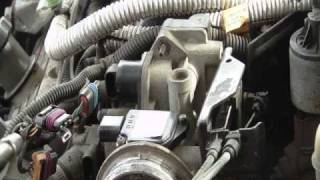
No, this is a very beginner-friendly job. The TPS is located on the side of the throttle body, held on by two screws (usually Torx T20 or T25). The process involves disconnecting the battery, unplugging the electrical connector, removing the two screws, swapping the sensor, and then reassembling. The entire job can typically be done in under 30 minutes with basic hand tools.
🎬 See this quick walkthrough of a 3800 engine TPS replacement.Do I need to calibrate or adjust the new TPS?
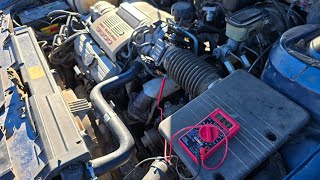
For the 1997-2004 Grand Prix with the 3.8L engine, the TPS is generally not adjustable and does not require a special calibration procedure. However, some mechanics recommend a "TPS learn procedure" which involves turning the key to the 'ON' position (without starting the engine) for 30 seconds, then turning it off, before the first start. This allows the computer to recognize the new sensor's baseline voltage. The computer will then relearn idle trims over the next few drive cycles.
🎬 Watch: How to perform a TPS calibration on the 3800 V6.Are there any recalls for the Throttle Position Sensor on the Grand Prix?
There are no specific recalls for the throttle position sensor itself. However, there was a recall (NHTSA Campaign ID: 05V046000) for certain 2004 Grand Prix models related to the accelerator pedal assembly, which could fail to return to idle in extreme cold. There was also a recall for supercharged models (GTP) for an engine oil leak that could cause a fire, but this is unrelated to the TPS. Always check for open recalls on your specific vehicle using its VIN.
Can I just clean my old TPS?
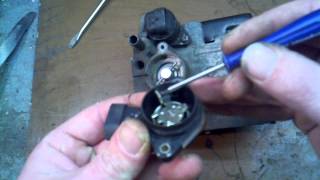
The TPS is a sealed electronic sensor and cannot be cleaned internally. While you should clean any carbon buildup from the throttle body bore and plate while you have access, cleaning the sensor itself will not fix a failure. If the sensor is sending erratic signals, it must be replaced.
Helpful Videos


Technical Specifications
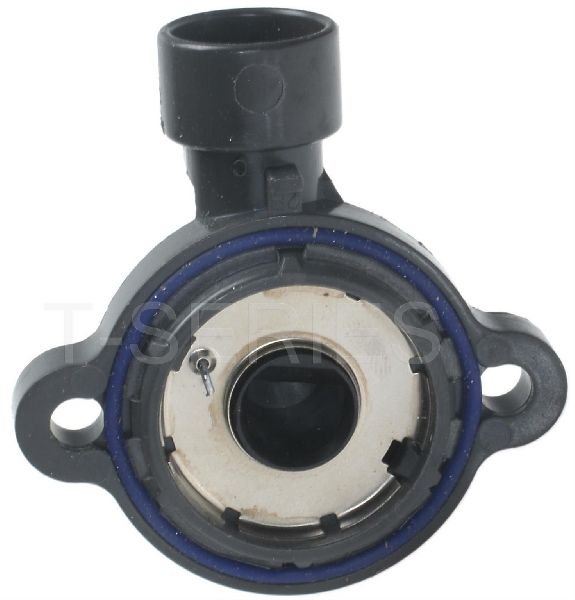
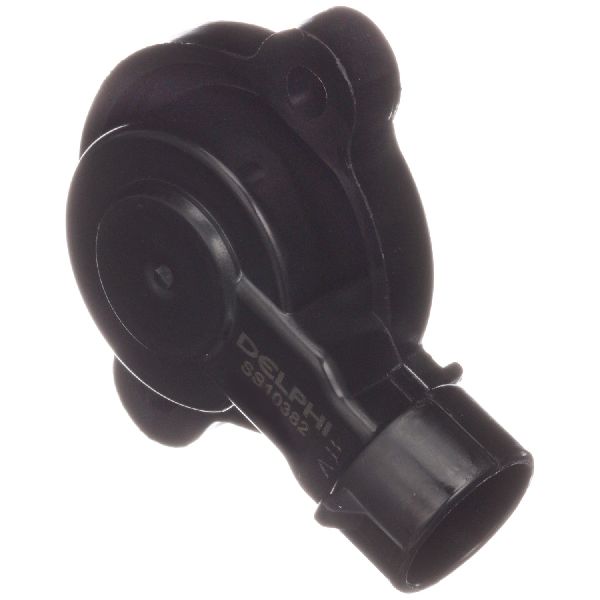
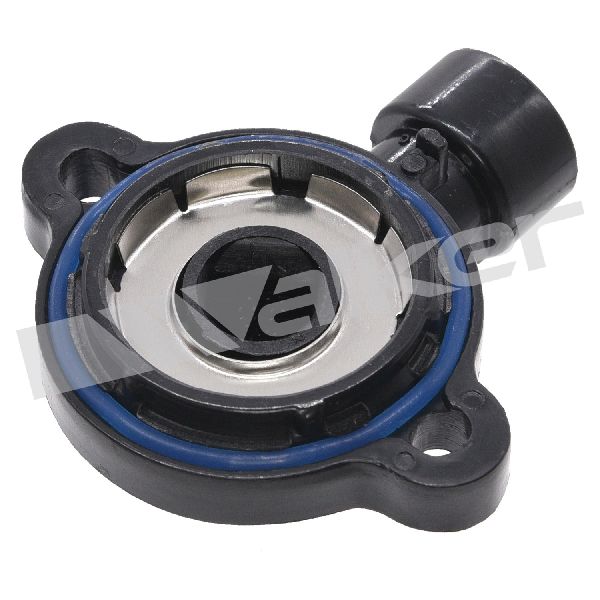
OEM Part Numbers: 17123852 213-912 17106681
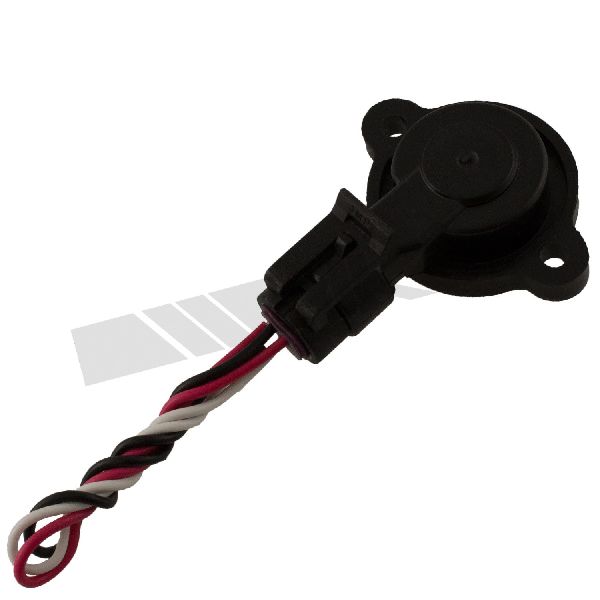
3-pin, clockwise rotation, potentiometer-type sensor. Idle voltage typically ~0.5V, wide-open throttle voltage ~4.5V.
We Have This Part in Stock


The information in this article is provided for general reference and educational purposes only. Vehicle specifications, procedures, and part compatibility can vary by production date, trim level, and region. Always consult your vehicle's factory service manual and verify part numbers before purchasing or performing repairs. Safety-critical components such as airbags, seat belts, and braking systems should be installed by a qualified professional.
- Pontiac Grand Prix: