

Ignition Knock Sensor Guide for the 1997-2004 Porsche Boxster (986)
A faulty knock sensor can reduce your Boxster's power and efficiency; here’s how to choose the right replacement.
- Your Boxster has two knock sensors; it is best practice to replace both at the same time.
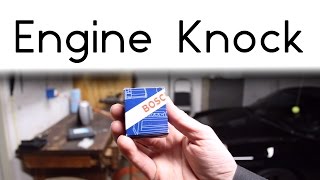
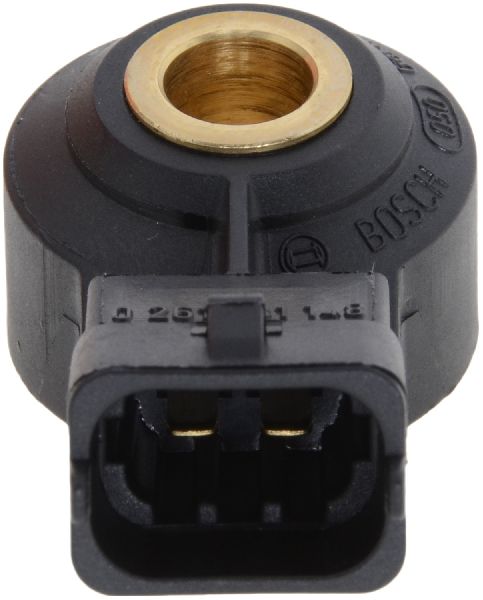
- Bosch is the original equipment supplier; a Bosch-branded sensor provides OEM quality without the Porsche price tag.
- The most common symptom of failure is a major loss of engine power, even without a Check Engine Light.
- Replacement is a labor-intensive job that requires removing the intake manifold for access.
Is Your Boxster Feeling Sluggish? It Could Be a Knock Sensor.
If your 1997-2004 Porsche Boxster feels down on power, a failing knock sensor is a likely culprit. This isn't just about a check engine light; it's about your car's computer, the DME, actively reducing performance to protect the engine. When a knock sensor fails, the DME can no longer tell if the engine is knocking, so it plays it safe by entering a 'Safety Retardation' mode. This mode significantly pulls back ignition timing, resulting in a noticeable loss of acceleration and poor fuel economy.
Symptoms of a Failing Knock Sensor
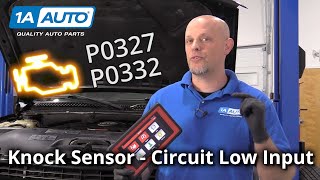
A bad knock sensor doesn't always trigger a check engine light, making it tricky to diagnose. The most common sign is a distinct lack of power. Other symptoms include hesitation during acceleration and, in some cases, an audible pinging or knocking sound from the engine. You will likely find a stored fault code like P0327 or P0332 when you scan the vehicle's computer.
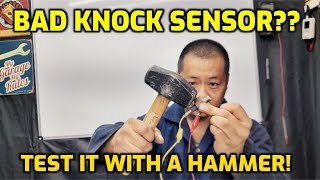
🎬 Watch: How to test for symptoms before replacing your sensor.Common Point of Failure: The Wiring
Often, the sensor itself is fine, but the wiring leading to it has failed. The plastic connectors can become brittle from years of engine heat and crack. Rodents have also been known to chew on these specific wires, causing an open circuit. Before ordering a new sensor, inspect the wiring and connector for any visible damage.
Choosing the Right Aftermarket Knock Sensor
When it comes to electronics on a Porsche, brand choice matters. For the 986 Boxster, the decision is straightforward.
- Tier 1 (OEM Supplier): Bosch
- Tier 2 (Reputable Aftermarket): Standard Ignition, Vemo
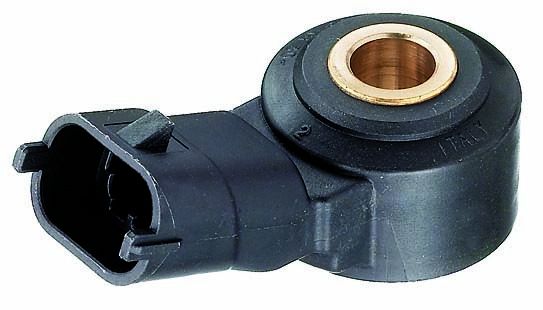
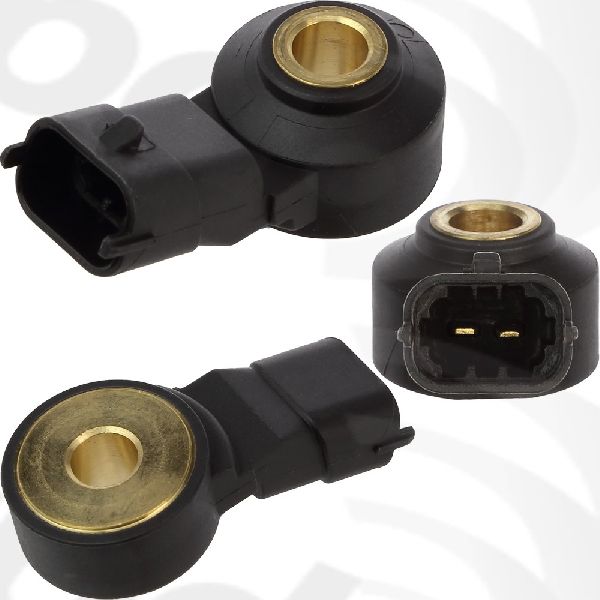
- Tier 3 (Economy): Facet, Global Parts
Bosch is the Original Equipment Manufacturer (OEM) for this part. This means the Bosch sensor you buy from any retailer is the exact same part that Porsche puts in their own box, but without the higher price tag. For a critical sensor like this, sticking with the OEM supplier is the safest and most recommended choice. There is little to no evidence in owner forums of people using other brands with long-term success, as most experienced owners and mechanics default to Bosch.
Pro Tip: Replace in Pairs
Your Boxster has two knock sensors. If one has failed due to age, the other is likely not far behind. Since accessing them requires significant labor, it is highly recommended to replace both sensors at the same time. Consider replacing the wiring harnesses as well, as they are prone to heat damage.
Aftermarket Knock Sensor Cost for 1997-2004 Boxster
| Part Type | Price Range (Per Sensor) |
|---|---|
| New Aftermarket (Bosch OEM) | $40 - $65 |
| New Genuine Porsche (OEM) | $80 - $120 |
Frequently Asked Questions (FAQ)
Where are the knock sensors located on a 986 Boxster?
There are two knock sensors located on the top of the engine, underneath the intake manifold runners. Sensor 1 is on the bank 1 side (cylinders 1-3) near cylinder #2, and Sensor 2 is on the bank 2 side (cylinders 4-6) near cylinder #5. Access requires removing the engine cover from inside the cabin, behind the seats.
How many knock sensors does my Boxster have?
All 1997-2004 Porsche Boxster models (Base and S) have two knock sensors, one for each bank of cylinders.
Can I replace just one knock sensor?
While you can replace just the one that has failed, it is strongly advised to replace them as a pair. The labor involved to access the sensors is the most difficult part of the job, so replacing both at once is cost-effective and prevents having to do the same job again soon.
What tools are needed to replace the knock sensor?
You will need standard metric sockets, a torque wrench, and potentially an external Torx (E-socket) for the sensor's mounting bolt. 🎬 Watch: Step-by-step guide to replacing the Bank 2 knock sensor. The most challenging part is removing the intake manifold 🎬 See this walkthrough on removing the intake manifold for access. to gain access.
Are there any recalls for the Boxster knock sensor?
No, there are no recalls or common Technical Service Bulletins (TSBs) from Porsche or the NHTSA specifically for the knock sensors on the 1997-2004 Boxster.
Helpful Videos
Technical Specifications
OEM Part Numbers: 99660612500
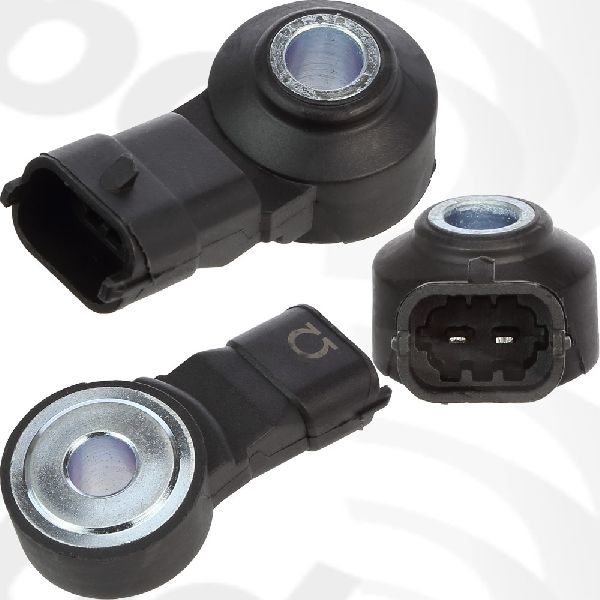
The 1997-2004 Porsche Boxster uses two knock sensors. They are located on top of the crankcase, one per cylinder bank, underneath the intake manifold.
We Have This Part in Stock


The information in this article is provided for general reference and educational purposes only. Vehicle specifications, procedures, and part compatibility can vary by production date, trim level, and region. Always consult your vehicle's factory service manual and verify part numbers before purchasing or performing repairs. Safety-critical components such as airbags, seat belts, and braking systems should be installed by a qualified professional.
- Porsche Boxster:
- 🎬 Helpful Videos
- 🛍️ Shop This Part
- Is Your Boxster Feeling Sluggish? It Could Be a Knock Sensor.
- Symptoms of a Failing Knock Sensor
- Common Point of Failure: The Wiring
- Choosing the Right Aftermarket Knock Sensor
- Pro Tip: Replace in Pairs
- Aftermarket Knock Sensor Cost for 1997-2004 Boxster
- Frequently Asked Questions (FAQ)
- 🎟️ Get 5% Off