

A Comprehensive Guide to Disc Brake Pads for the 1997-2005 Buick Century
Stop the noise and confusion—find the right aftermarket brake pads for your Century's needs and budget.
- For most 1997-2005 Buick Century owners, a premium ceramic brake pad from a brand like Akebono, Bosch, or Wagner offers the best mix of quiet operation, low dust, and reliable stopping.
- Always plan to replace or resurface your brake rotors at the same time as the pads to ensure proper performance and avoid noise issues.
- Listen for the high-pitched squeal of the wear indicator; this is your early warning to schedule a brake job before more expensive damage occurs.
- Brake pad replacement is a common DIY job for this vehicle, but proper lubrication of caliper pins and pad contact points is critical to prevent noise.
Symptoms of Worn Brake Pads
Your Buick Century will usually tell you when its brake pads are getting low. Ignoring these signs can lead to more expensive repairs, like needing to replace the brake rotors. Be aware of the following symptoms:
- High-Pitched Squeal: The most common sign is a sharp, squealing noise when you apply the brakes. This is caused by a small metal tab called a wear indicator, which is designed to make this noise when the pads are thin.
- Grinding Noise: A loud, metal-on-metal grinding sound means the brake pads are completely worn out. This is a serious issue that requires immediate attention to avoid destroying your brake rotors.
- Longer Stopping Distances: If you notice your car taking longer to stop than it used to, your pads are likely worn and can't create enough friction.
- Vibrating or Pulsating Brake Pedal: While often a sign of warped rotors, a pulsating pedal can also be caused by uneven pad wear or deposits on the rotor surface.
Choosing the Right Aftermarket Pads for Your Century
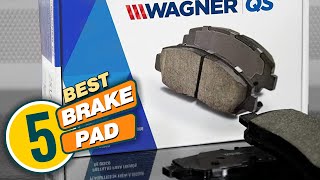
Since the Buick Century is a dependable daily driver, most owners are looking for a balance of quiet operation, low dust, and good value. Performance pads are available but are generally unnecessary for this vehicle. 🎬 Watch this review and buying guide for top brake pads. Aftermarket pads for your Century fall into a few main categories:
Tier 1: Economy & Daily Driver Pads
These pads are designed to be affordable, direct replacements for the original factory pads. They offer reliable, safe stopping for normal commuting. Brands in this category often include Pronto, Dynamic Friction, and Total Stopping Solutions.
- Best for: Budget-conscious repairs, low-mileage drivers.
- Pros: Lowest cost.
- Cons: May be noisier and create more dust than premium options.
Tier 2: Premium OE-Quality Pads
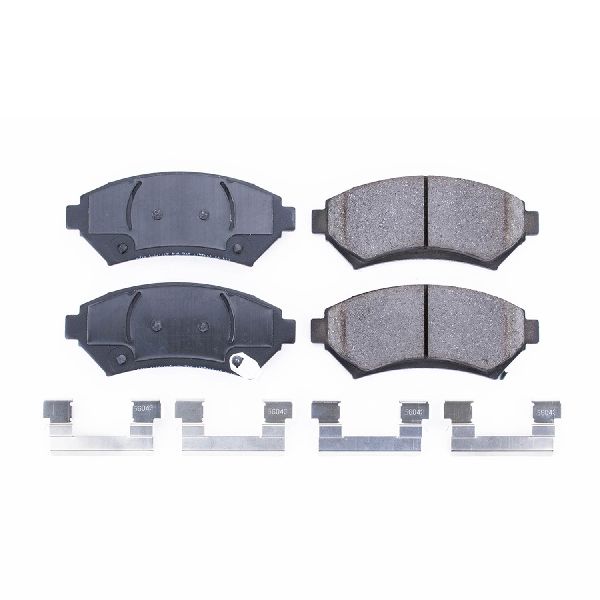
This is the sweet spot for most Buick Century owners. These pads meet or exceed the performance of the original GM parts, offering quieter operation, less brake dust, and a confident pedal feel. They are typically made from ceramic or advanced semi-metallic compounds. Look for trusted brands like ACDelco (Professional line), Akebono, Bosch, Raybestos (Element3), and Wagner (OEX/ThermoQuiet).
- Best for: The majority of drivers who want a quiet, clean, and reliable long-term solution.
- Pros: Excellent balance of performance, low noise, and durability.
- Cons: Higher initial cost than economy pads.
Tier 3: Performance & Heavy-Duty Pads
These pads are engineered for aggressive stopping power and high-temperature performance. While brands like Powerstop, EBC Brakes, and Brembo offer excellent products, they are overkill for a standard Buick Century and may produce more noise and dust during normal driving.
- Best for: Drivers who have made other performance modifications (not typical for this vehicle).
- Pros: Maximum stopping power.
- Cons: Often more expensive, can be noisy, and may wear rotors faster.
Cost Comparison at a Glance
| Part Type | Estimated Cost |
|---|---|
| New Aftermarket Pads (Economy) | $25 - $50 |
| New Aftermarket Pads (Premium) | $50 - $105 |
| Shop Labor (per axle) | $100 - $250 |
Pro Tip: It is highly recommended to replace or resurface your brake rotors at the same time as your pads to ensure smooth, quiet braking and proper pad bedding.
Frequently Asked Questions (FAQ)
What's the difference between ceramic and semi-metallic pads for my Century?
Ceramic pads are generally quieter, produce a finer, lighter-colored dust, and are gentle on brake rotors. Semi-metallic pads offer excellent stopping power, work well in a wide range of temperatures, and are often slightly less expensive. For a typical Century owner prioritizing a quiet ride and clean wheels, ceramic pads are an excellent choice.
Do I need to replace my rotors when I replace my pads?
It is strongly recommended. New pads need a smooth, flat surface to bed into correctly. Installing new pads on old, worn, or warped rotors can cause noise, vibration, and reduced braking performance. Most repair shops will insist on replacing or resurfacing rotors with every pad change.
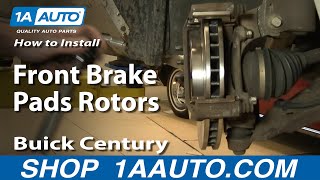
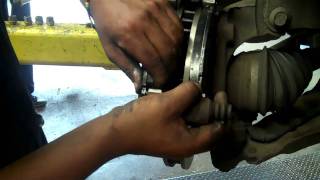
🎬 See how to replace front brakes on a Buick Century.Why are my new brakes making noise?
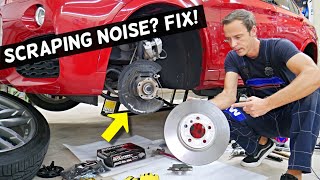
Some light noise is normal during the first few hundred miles as the new pads "bed in" to the rotors. However, persistent squealing or grinding could indicate a problem with installation, such as missing lubricant on contact points or a bent dust shield. If the noise doesn't go away, it's best to have the installation checked.
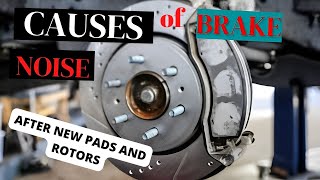
🎬 Learn why new brakes might make noise after installation.Were there any recalls for the 1997-2005 Buick Century brakes?
Searches of the NHTSA database show a few brake-related recalls, but they are generally for specific components other than the pads themselves. For example, recall 99V170000 concerned an ABS motor short on some 1999 models, and 00V143 involved loose rear wheel spindles on some 2000 models. There are no widespread recalls for the brake pads themselves.
Helpful Videos
Technical Specifications
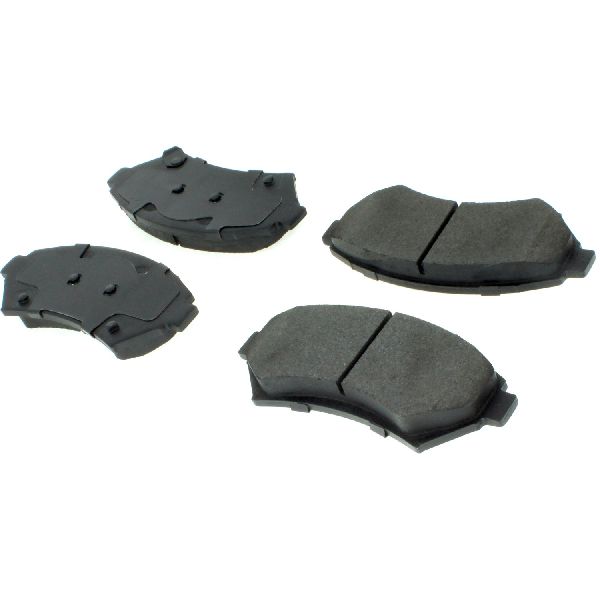
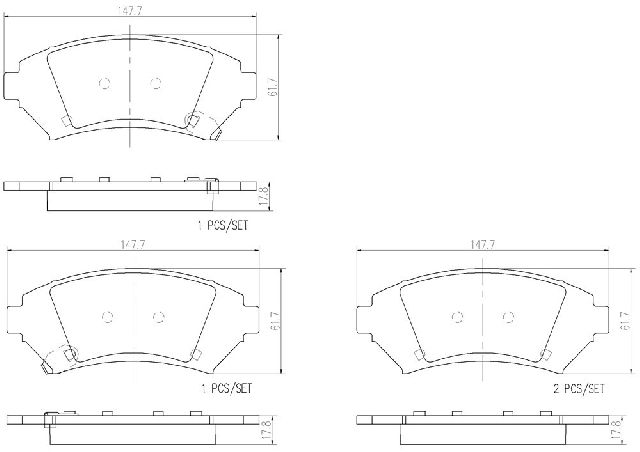
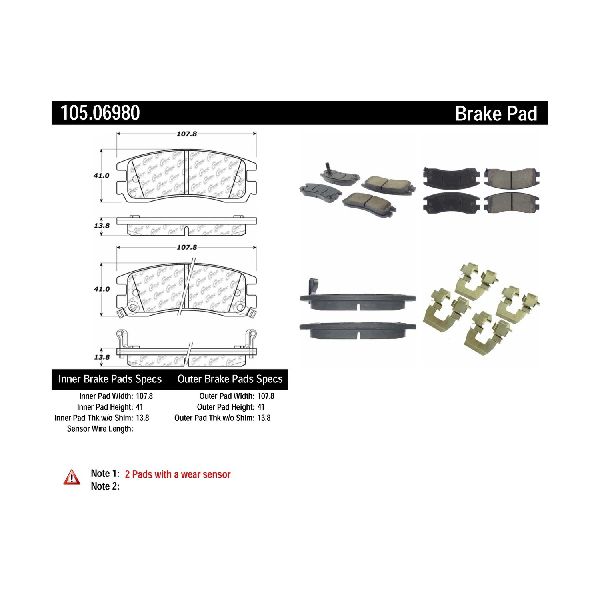
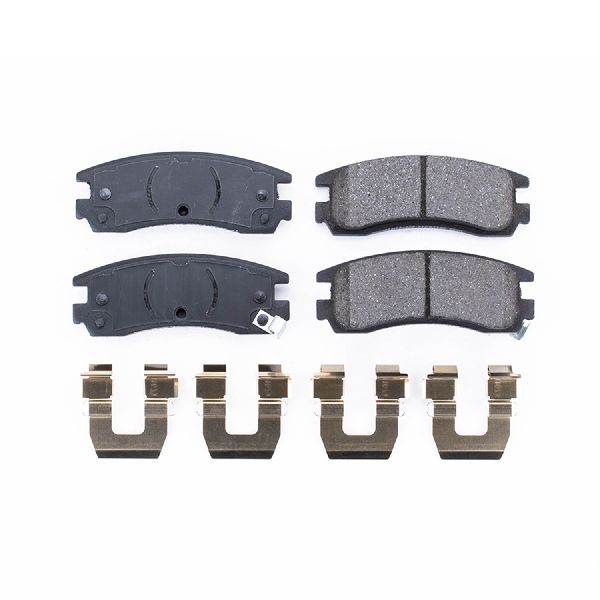
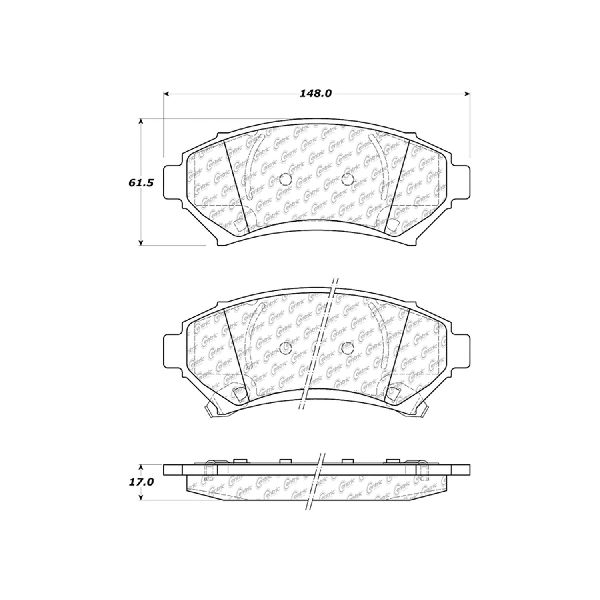
The 1997-2005 Buick Century uses a single-piston, floating caliper design for its front disc brakes. Replacement pad sets include pads for one axle (both wheels). Premium kits often include new anti-rattle clips and a packet of high-temperature lubricant for caliper pins and pad contact points.
We Have This Part in Stock

The information in this article is provided for general reference and educational purposes only. Vehicle specifications, procedures, and part compatibility can vary by production date, trim level, and region. Always consult your vehicle's factory service manual and verify part numbers before purchasing or performing repairs. Safety-critical components such as airbags, seat belts, and braking systems should be installed by a qualified professional.
- Buick Century: