

Suspension Ball Joint Guide for 1997-2005 Buick Regal
Clunking noises from your front end could mean it's time to replace your ball joints.
- Listen for clunking noises from the front end, as this is the most common symptom of failure.
- Original ball joints are likely riveted; be prepared to grind or drill them out for the first replacement.
- Premium aftermarket brands like ACDelco Gold, Moog, or Mevotech TTX often offer greaseable joints for longer life.
- Always get a wheel alignment after replacing ball joints to prevent tire wear and ensure safe handling.
Is Your Regal Making Noise? Recognizing a Bad Ball Joint
Worn ball joints give several warning signs. The most common symptom is a clunking or knocking sound from the front of the car. This noise is often most noticeable when driving slowly over bumps, uneven pavement, or when turning. Other signs include vibrations felt in the steering wheel, the steering feeling loose or wandering, or the car pulling to one side. You may also notice uneven wear on the inside or outside edges of your front tires. Ignoring these symptoms is dangerous, as a complete failure can cause the suspension to collapse and the wheel to separate from the car, leading to a total loss of control.
A Known Issue: Riveted Originals
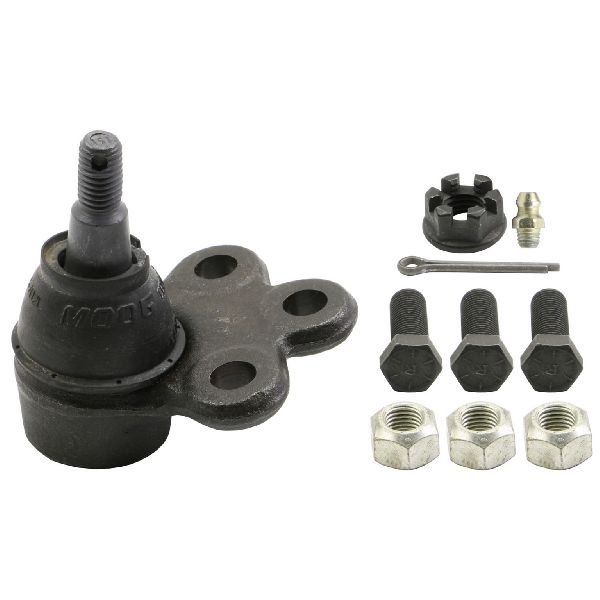
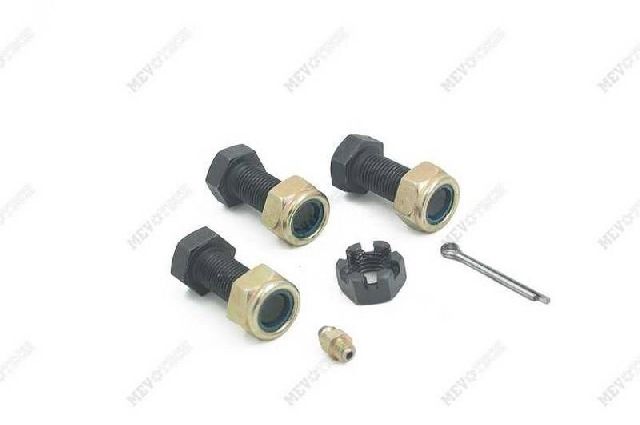
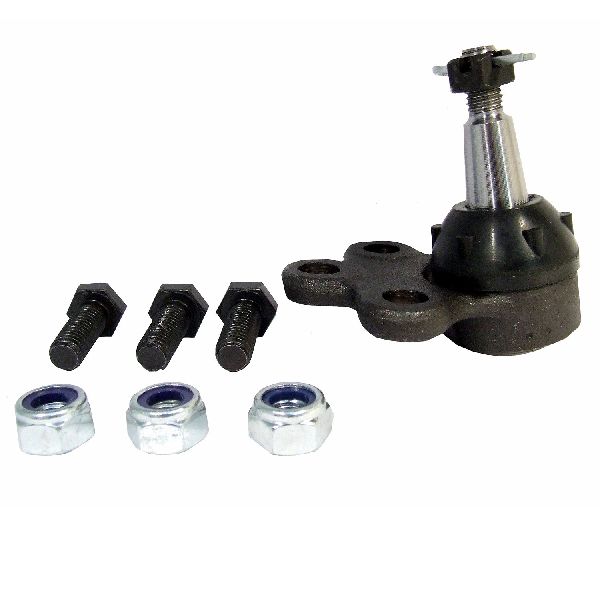
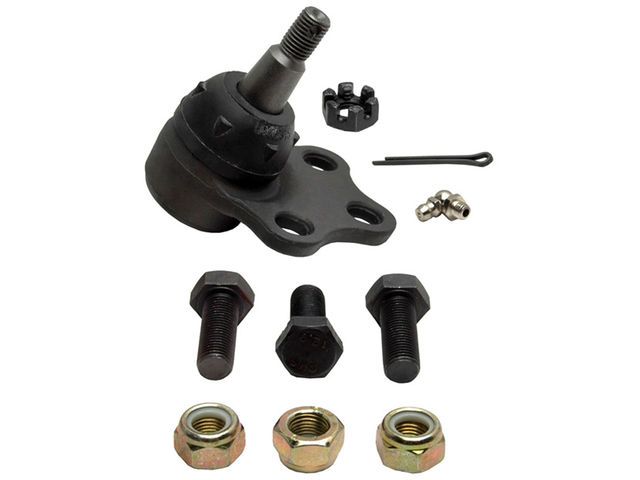
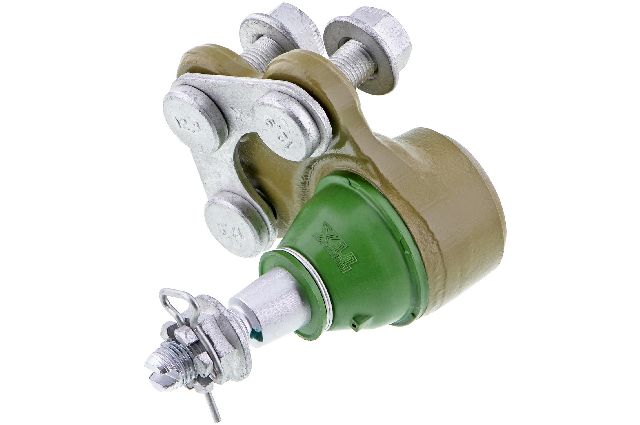
The original factory ball joints on many 1997-2005 Buick Regals were installed with rivets instead of bolts. This means that for a first-time replacement, the old rivets must be ground off or drilled out, which adds time and effort to the job. The good news is that nearly all aftermarket ball joints, from economy to premium, use a bolt-on design, making any future replacements much simpler.
Choosing the Right Aftermarket Ball Joint
For a vehicle of this age, aftermarket parts offer excellent value. Original equipment (OEM) quality is available, but you can also find parts that are designed to be stronger or easier to service than the originals. Parts are generally sold individually.
| Brand Tier | Brands Available | Typical Price (Per Joint) | Description & Quality Assessment |
|---|---|---|---|
| Premium / Heavy-Duty | ACDelco (Gold), Moog (Problem Solver), Mevotech (TTX), Delphi | $50 - $87 | These are the best options for longevity and performance. ACDelco Gold is a high-quality alternative to the original GM part. Moog's Problem Solver and Mevotech's TTX lines often feature stronger designs and grease fittings (zerks) that allow for periodic re-greasing to extend their lifespan. Delphi is also known for meeting or exceeding original quality standards. Choose this tier if you want the most durable, long-lasting repair. |
| Standard / OE-Style | Dorman, Mevotech (Supreme), Suspensia, QuickSteer | $35 - $60 | These brands provide a great balance of quality and price for a daily-driven Regal. They are designed to restore the original performance and handling of the vehicle. Many are sealed units, just like the original parts, meaning they do not require greasing. They are a solid, reliable choice for most owners. |
| Economy | Various private label brands | $29 - $40 | This is the most budget-friendly category. These parts will solve the immediate problem, like clunking noises and steering play, but they may not have the same long-term durability as premium or standard brands. This is a viable option if the primary concern is cost. |
Pro Tip: Greaseable vs. Sealed
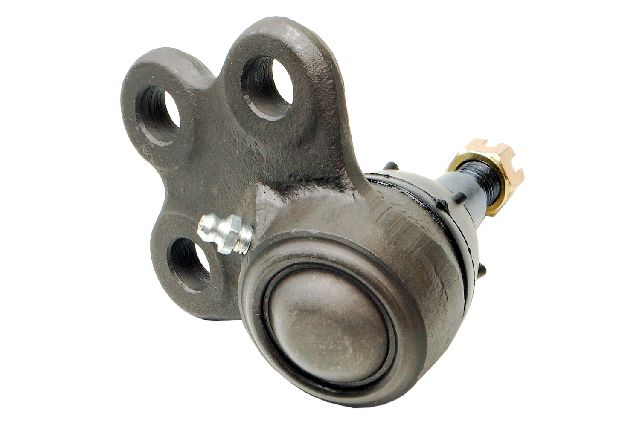
Many premium aftermarket ball joints (like Moog and Mevotech TTX) are "greaseable," meaning they have a zerk fitting that allows you to add fresh grease with a grease gun. This can flush out contaminants and extend the part's life, but it requires regular maintenance. Sealed joints, common in the standard tier and on the original car, are maintenance-free but must be replaced when the internal grease wears out.
Frequently Asked Questions (FAQ)
Do I need to get a wheel alignment after replacing ball joints?
Yes. Replacing a ball joint will almost always change your vehicle's wheel alignment. It is highly recommended to get a professional front-end alignment after the job is done to prevent rapid tire wear and ensure the vehicle drives straight.
Should I replace ball joints in pairs?
It is highly recommended. Suspension parts wear at similar rates. If the ball joint on one side has failed, the other side is likely not far behind. Replacing both the left and right lower ball joints at the same time ensures even handling and saves you from having to do the same job again soon.
Were there any recalls for the 1997-2005 Buick Regal ball joints?
No. Searches of the National Highway Traffic Safety Administration (NHTSA) database show no specific safety recalls for front suspension ball joints for the 1997-2005 Buick Regal model years. Recalls for later Regal models relate to rear suspension components and do not apply to this generation.
What other parts should I inspect when replacing ball joints?
While you are working on the suspension, it's a good time to inspect other related components. Check the control arm bushings, tie rod ends, sway bar links, and CV axle boots for any signs of wear, cracking, or damage. Addressing these issues at the same time can save on labor costs down the road.
Technical Specifications
The 1997-2005 Buick Regal uses a press-in style lower ball joint. Original factory parts were secured to the control arm with three rivets. Aftermarket replacements typically use a bolt-on design.
We Have This Part in Stock

The information in this article is provided for general reference and educational purposes only. Vehicle specifications, procedures, and part compatibility can vary by production date, trim level, and region. Always consult your vehicle's factory service manual and verify part numbers before purchasing or performing repairs. Safety-critical components such as airbags, seat belts, and braking systems should be installed by a qualified professional.
- Buick Regal: