

Ford Expedition Engine Cylinder Head Temperature Sensor Guide (1997-2005)
Learn to spot a failing CHT sensor in your first-generation Expedition and choose the right replacement part.
- This Expedition uses a CHT sensor that reads metal temperature, not a coolant sensor (ECT).
- Replacement is a difficult job because the sensor is located under the intake manifold, resulting in high labor costs.
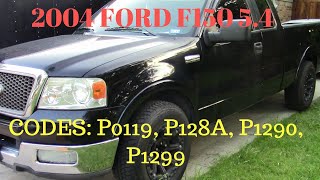
- A failure can trigger a check engine light with codes P1289 or P1299 and may put the truck into a protective 'limp mode'.
- Due to the high labor cost, using a quality OEM (Motorcraft) or premium aftermarket (Standard, NTK) part is strongly recommended over budget options.
Symptoms of a Failing CHT Sensor
A bad CHT sensor sends incorrect information to your Expedition's computer, which can cause a range of issues. The most common sign is a Check Engine Light, but you may also notice performance problems. 🎬 See common CHT fault codes and how to fix them. Be aware that a faulty sensor can sometimes report an overheating condition when the engine is fine, or fail to report a real overheating problem.
Choosing an Aftermarket CHT Sensor
For a sensor that is this difficult to replace, part quality is very important. While budget-friendly options exist, choosing a higher-quality part can prevent you from having to do the job twice. For this specific part on a Ford, many mechanics recommend using the OEM Motorcraft part or a top-tier aftermarket equivalent for reliability.
- Premium Aftermarket (Recommended): Brands like Standard Ignition (SMP) and NTK are well-regarded and often manufacture parts that meet or exceed original equipment specifications. They are a solid choice for reliability without paying for the OEM Motorcraft box.
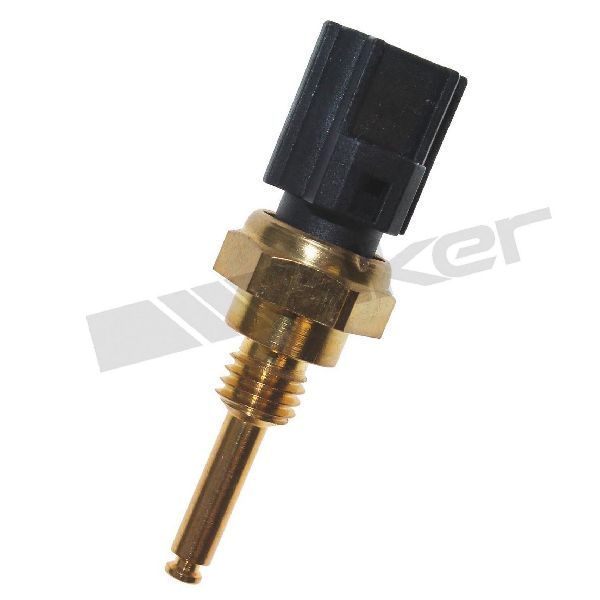
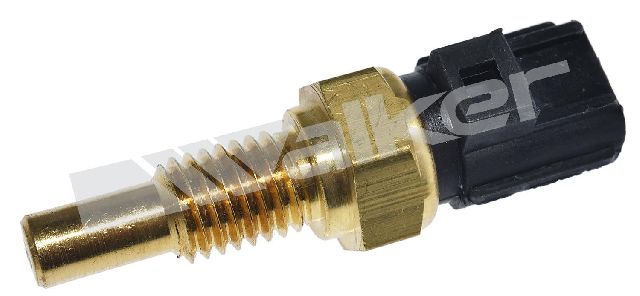
- Standard Aftermarket: Brands such as Holstein and Walker Products offer a good balance of value and quality. They are suitable for most repairs and are a significant step up from economy parts.
- Economy Aftermarket: Brands like Global Parts (GPD) and Skyward are budget-focused options. While the initial cost is low, their long-term reliability can be inconsistent for a critical sensor like the CHT.
⚠️ Difficult Replacement Warning
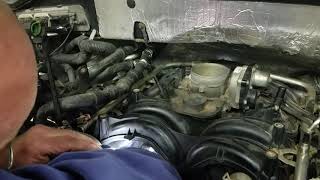
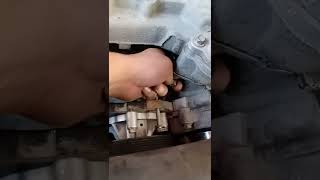
Replacing the CHT sensor on the 1997-2005 Expedition with the 4.6L or 5.4L V8 is a labor-intensive job. The sensor is located under the intake manifold, which must be removed for access. This is not a simple repair for a beginner. Some experienced mechanics have found ways to replace it by only removing the alternator and using special tools like a 19mm flex-head wrench or a crow's foot socket, but access is extremely tight.
🎬 Watch: How to replace the sensor without removing the intake.Estimated Replacement Costs
| Part Type | Part Cost | Shop Labor Cost |
|---|---|---|
| New OEM (Motorcraft) | $45 - $80 | $300 - $500+ |
| New Aftermarket | $14.84 - $38.89 | |
| Used or Remanufactured | Not Recommended |
Cost estimates are approximate and can vary based on your location and the specific repair shop. Labor costs are high due to the need to remove the intake manifold.
Pro Tip: Check the Wiring
Before replacing the sensor, carefully inspect the wiring harness and connector. Corrosion or damage to the wires can cause the same symptoms as a failed sensor. In some cases, a new wiring pigtail is needed, not a new sensor.
Frequently Asked Questions
Where is the CHT sensor located on the 1997-2005 Expedition?
The CHT sensor is threaded into the driver's side cylinder head, in the valley of the engine, underneath the intake manifold.
🎬 Watch this walkthrough of the CHT sensor replacement process.What's the difference between a CHT and an ECT sensor?
Your Expedition uses a CHT (Cylinder Head Temperature) sensor that measures the temperature of the engine's metal head. Many other vehicles use an ECT (Engine Coolant Temperature) sensor that is submerged in coolant. While they serve a similar purpose, they are different parts and are not interchangeable.
What happens if I ignore a bad CHT sensor?
Ignoring a bad CHT sensor can lead to poor fuel economy, stalling, and engine hesitation. Most critically, if the sensor fails to report a true overheating condition, the cooling fans may not turn on, leading to severe engine damage. If it falsely reports an overheat, it can put the engine into a protective "limp mode," drastically reducing power.
Are there any recalls for the CHT sensor on this Expedition?
No, there are no specific recalls or technical service bulletins (TSBs) from the NHTSA or Ford for the CHT sensor itself on the 1997-2005 Expedition. There was a major recall for a faulty speed control deactivation switch that could cause fires, but it is unrelated to the CHT sensor.
Helpful Videos

Technical Specifications
OEM Part Numbers: F5AZ-12A648-A F65Z-10884-AA DY-1144
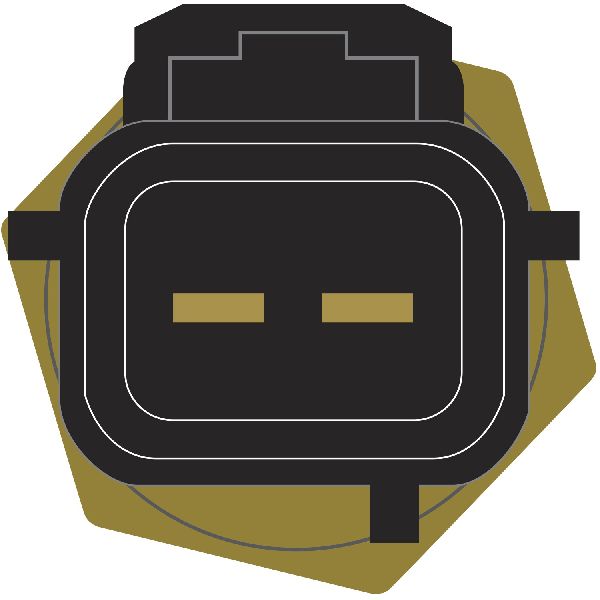
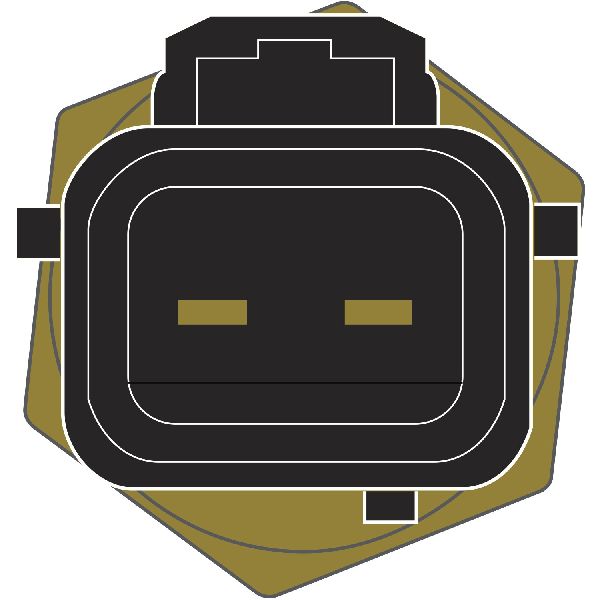
This is a 2-pin thermistor-type sensor that threads directly into the driver's side cylinder head. It functions by changing its electrical resistance based on temperature.
We Have This Part in Stock


The information in this article is provided for general reference and educational purposes only. Vehicle specifications, procedures, and part compatibility can vary by production date, trim level, and region. Always consult your vehicle's factory service manual and verify part numbers before purchasing or performing repairs. Safety-critical components such as airbags, seat belts, and braking systems should be installed by a qualified professional.
- Ford Expedition: