

Ford Expedition Oxygen Sensor Guide (1997-2005)
Keep your Expedition running smoothly by understanding when and how to replace your oxygen sensors.
- Your Expedition has four O2 sensors; the upstream (Sensor 1) units are most critical for performance.
- Symptoms of failure include a check engine light, poor gas mileage, and a rough idle.
- Reputable aftermarket brands like NGK/NTK, Denso, and Bosch offer OEM-level quality for less money.
- Replacement is a feasible DIY job, but sensors can be difficult to access and remove, especially on the passenger side.
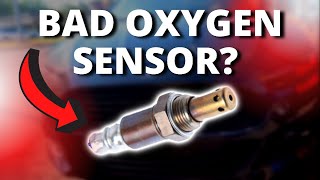
Is Your Expedition Showing Signs of a Bad Oxygen Sensor?

A failing oxygen sensor can cause noticeable problems. If you're experiencing any of these issues, a bad O2 sensor might be the culprit.
- Check Engine Light: The most common sign is an illuminated check engine light. Codes like P0171, P0174 (system too lean), or specific sensor codes (P0130-P0167) often point to O2 sensor issues.
- Poor Fuel Economy: A bad sensor can send incorrect data, causing the engine to use more fuel than necessary.
- Rough Idle and Misfires: An incorrect air/fuel mixture can lead to a shaky idle, engine hesitation, or misfires.
- Failed Emissions Test: A faulty O2 sensor is a common reason for failing a vehicle emissions inspection.
- Rotten Egg Smell: In some cases, a very rich fuel mixture caused by a bad sensor can overwhelm the catalytic converter, producing a sulfur-like smell.
Choosing the Right Aftermarket Oxygen Sensor

When it comes to oxygen sensors for your Expedition, you don't have to buy the most expensive part to get good quality. Many aftermarket brands are the original equipment (OE) manufacturers for Ford. This means you can often get the same quality as the dealer part without the high price tag.
Pro Tip: For this generation of Ford trucks, sticking with well-known, reputable aftermarket brands is a safe bet. Cheaper, unknown brands can sometimes cause compatibility issues or fail prematurely.
Brand Quality Tiers
- Top Tier (OEM or Equivalent): Motorcraft is Ford's official brand and a guaranteed fit. NGK (also sold as NTK) and Denso are often the original manufacturers for Ford and other automakers. These brands are highly recommended by mechanics and owners for their reliability and direct-fit design.
- Mid-Tier (Trusted Aftermarket): Bosch invented the modern O2 sensor and is a very popular and reliable choice. While some forum users have reported mixed experiences, they are generally considered a quality replacement. Delphi is another established brand that provides good quality parts.
- Economy Tier: Brands like Walker Products, Spectra, and DriveWire offer a more budget-friendly option. While they can perform adequately, some owners report a shorter lifespan or occasional compatibility issues compared to top-tier brands.
How Many O2 Sensors Does a 1997-2005 Expedition Have?

Your V8 Expedition has four oxygen sensors. They are identified by their location:
- Bank 1: Passenger side of the engine.
- Bank 2: Driver's side of the engine.
- Sensor 1: Upstream (before the catalytic converter). These are the most critical for engine performance.
- Sensor 2: Downstream (after the catalytic converter). These monitor the cat's performance.
So, a code for "Bank 1, Sensor 1" refers to the upstream sensor on the passenger side.
Cost to Replace Ford Expedition Oxygen Sensors
| Item | Estimated Cost |
|---|---|
| New OEM (Motorcraft) Sensor | $70 - $120 per sensor |
| New Aftermarket Sensor | $40 - $95 per sensor |
| Shop Labor (per sensor) | $70 - $150 |
| Total Professional Replacement (1 sensor) | $110 - $270 |
Frequently Asked Questions

Should I replace all four sensors at once?
It's not always necessary. The upstream sensors (Sensor 1) do the most work and tend to fail more often. Many owners choose to replace only the failed sensor. However, if your truck has high mileage (over 100,000 miles) and one sensor fails, the others may not be far behind. Replacing them in pairs (both upstream or both downstream) can be a good preventative measure.
Is replacing an O2 sensor a DIY job?
Yes, for someone with basic mechanical skills. The main challenge is often accessing the sensors and removing them if they are rusted in place. The passenger side sensors can be particularly difficult to reach. 🎬 See exactly where the passenger side sensors are located. You will need a special O2 sensor socket and some penetrating oil. Always work on a cool exhaust.
What's the difference between upstream and downstream sensors?
Upstream sensors (Sensor 1) are located before the catalytic converter and are the primary sensors used by the engine computer to adjust the air/fuel mixture. Downstream sensors (Sensor 2) are located after the catalytic converter and their main job is to monitor the converter's efficiency. The upstream sensors are more critical for performance and fuel economy.
Are there any recalls for O2 sensors on this Expedition?
No specific recalls for oxygen sensors were found for the 1997-2005 Ford Expedition. However, other issues can sometimes trigger O2 sensor fault codes. For example, TSBs for later models sometimes address issues where software problems or high sulfur fuel can cause false catalyst efficiency codes (P0420, P0430).
Helpful Videos
Technical Specifications
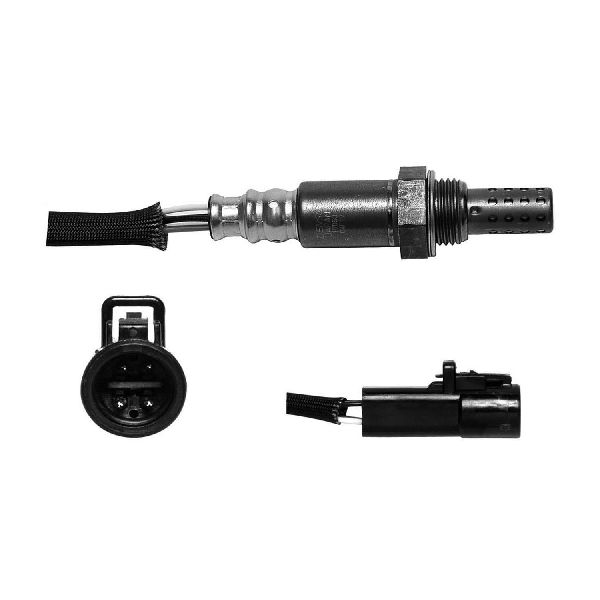
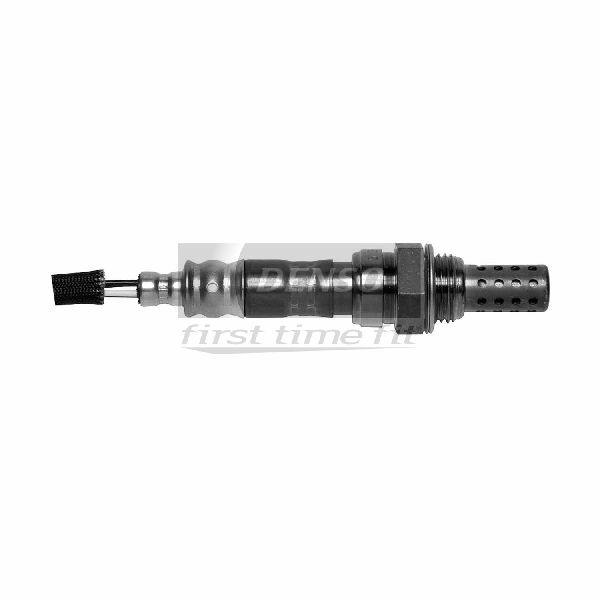
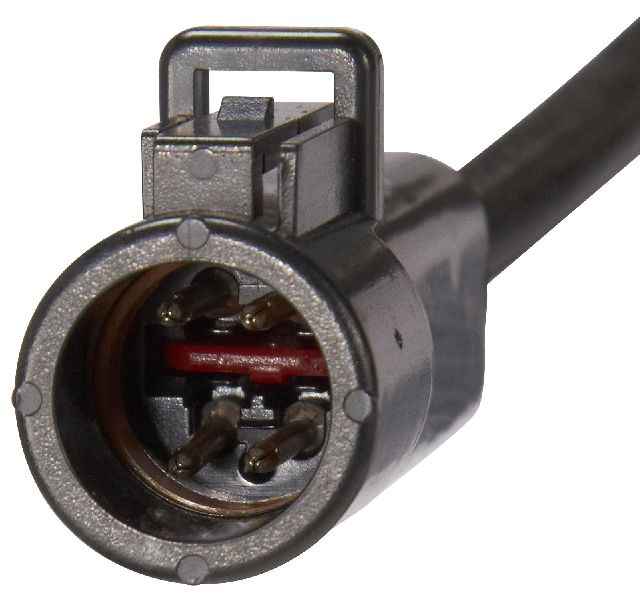
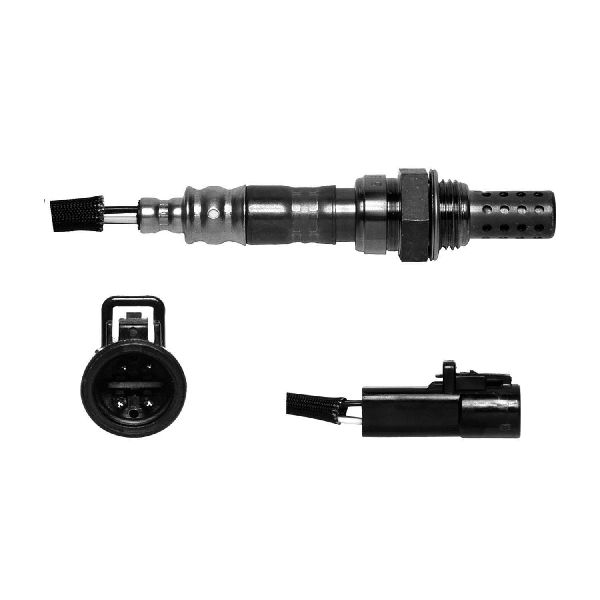
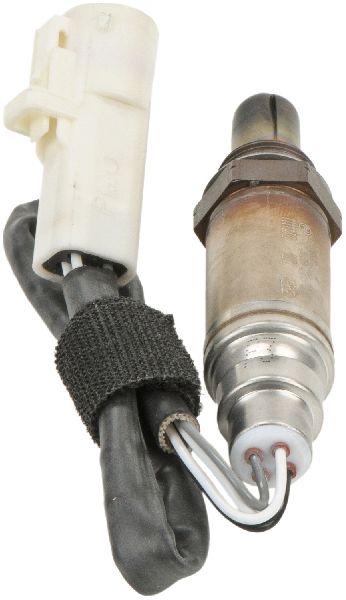
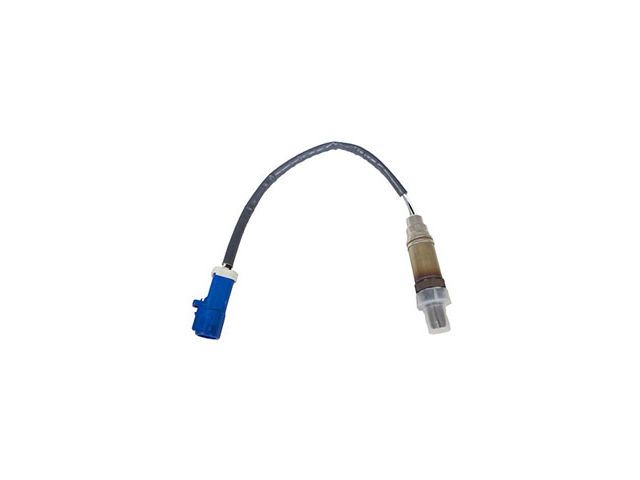
Your 1997-2005 Ford Expedition uses four heated oxygen sensors with a thread size of M18-1.50. Ensure the replacement part is a 'direct-fit' model with the correct plug to avoid cutting and splicing wires.
We Have This Part in Stock

The information in this article is provided for general reference and educational purposes only. Vehicle specifications, procedures, and part compatibility can vary by production date, trim level, and region. Always consult your vehicle's factory service manual and verify part numbers before purchasing or performing repairs. Safety-critical components such as airbags, seat belts, and braking systems should be installed by a qualified professional.
- Ford Expedition: