

Ford Expedition Radiator Hose Guide: 1997-2005 Models
Keep your Expedition's V8 cool by choosing the right replacement radiator hoses.
- The lower radiator hose on 1997-2002 models has a difficult quick-connect fitting that may require extra effort or special tools to remove.
- High-quality aftermarket brands like Gates and Dayco are excellent, cost-effective alternatives to more expensive OEM hoses.
- Always replace hose clamps when installing new hoses to prevent future leaks.
- If one hose has failed due to age, it is highly recommended to replace both the upper and lower radiator hoses at the same time.
Is Your Expedition's Radiator Hose Failing?
Radiator hoses are wear items. Made of rubber, they break down over time from constant heat, pressure, and exposure to engine bay chemicals. For a 1997-2005 Expedition, it's not a matter of if a hose will fail, but when. Look for these warning signs:
- Visible Cracks or Bulges: Inspect the hoses. If you see cracks, splits, or a swollen, balloon-like area, the hose is weak and needs immediate replacement.
- Leaking Coolant: Puddles of green or yellow fluid under the front of your truck are a dead giveaway. Check the connection points at the radiator and engine, as well as along the hose itself.
- Spongy or Hard Hoses: A good hose feels firm but pliable. If it feels mushy, spongy, or rock-hard, its internal structure has failed.
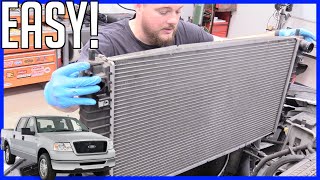
- Engine Overheating: If your temperature gauge is climbing, a collapsed or leaking hose could be the cause. A collapsed hose restricts coolant flow, starving the engine of the cooling it needs. 🎬 See a full walkthrough of a radiator and hose replacement.
A Note on the Lower Hose Connector
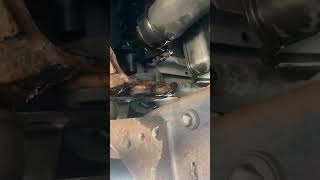
Many 1997-2002 Expeditions used a specific quick-connect fitting on the lower radiator hose that can be very difficult to remove. It requires turning the connector 45 degrees to release it, which can be tough due to age and rust. Some owners cut the old connector off and replace it with a new hose that uses a standard worm-gear clamp for easier service in the future. Be prepared for this potential challenge during replacement.
🎬 Watch this guide on removing the tricky lower hose connector.Choosing the Right Aftermarket Hose
For a vehicle of this age, high-quality aftermarket hoses from reputable brands offer excellent value and performance, often meeting or exceeding original equipment (OE) specifications. You don't need to pay dealer prices for a reliable part.
- Good Tier (Dayco): Dayco is a well-known brand that produces reliable hoses that meet OEM requirements. They are a cost-effective solution for daily driving and are widely available. Some users find their fit can occasionally be less precise than other brands, but they are generally considered a solid choice.
- Better Tier (Gates): Gates is a leader in the aftermarket hose industry and is often an OEM supplier. Their hoses are known for excellent material quality and durability, engineered to resist degradation. Many mechanics and DIYers prefer Gates for their precise fitment and reliability.
- Best Tier (Continental): Continental is another top-tier brand, highly respected for its rubber compounds and engineering. While sometimes harder to find, their hoses are considered among the best for longevity and fit, making them a great long-term investment.
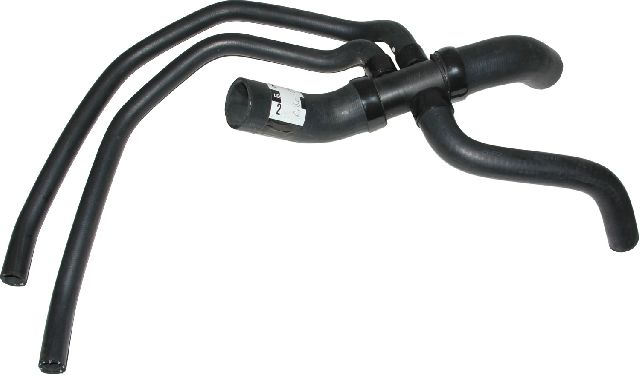
Pro Tip: When replacing one hose, it's smart to replace them all, including the smaller heater hoses if they are original. They have all been exposed to the same age and heat cycles. Also, replace the spring clamps with new worm-gear style clamps for a secure and easy-to-service connection.
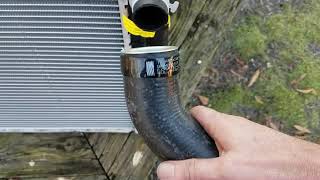
🎬 Watch how to replace your coolant hoses and flush the system.| Part Type | Estimated Cost |
|---|---|
| New Aftermarket Hose (Single) | $25 - $60 |
| New Aftermarket Hose Kit (Multiple Hoses) | $75 - $160 |
| New OEM Hose (Single) | $70 - $120+ |
Frequently Asked Questions
Are there any recalls for 1997-2005 Expedition radiator hoses?
No. Searches of the National Highway Traffic Safety Administration (NHTSA) database show no recalls specifically for radiator coolant hoses on the 1997-2005 Ford Expedition. Recalls found for Expeditions relate to different model years and different components, such as brake lines on 2022-2024 models.
What's the difference between the upper and lower hose?
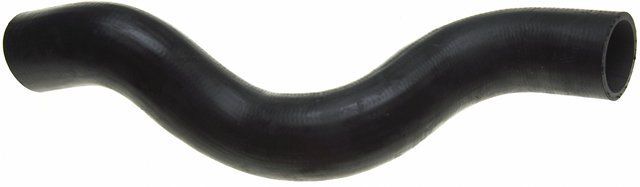
The upper hose connects to the top of the radiator and carries hot coolant from the thermostat housing on the engine. The lower hose connects to the bottom of the radiator and returns cooled coolant to the water pump. They are molded into different shapes and are not interchangeable.
Should I replace the hose clamps at the same time?
Yes, absolutely. The original spring-style clamps can lose tension over time, leading to leaks. Replacing them with new, high-quality worm-gear clamps is inexpensive and ensures a tight, reliable seal on your new hoses.
What kind of coolant should I use for my 1997-2005 Expedition?
Always check your owner's manual for the specific coolant type. Early models typically used a conventional green coolant. Later models may have switched to Ford's gold coolant. Using the wrong type can cause corrosion and damage to the cooling system. When in doubt, a universal yellow coolant that is compatible with all makes and models is a safe choice.
Helpful Videos

Technical Specifications
OEM Part Numbers: XL3Z-8260-BA XL1Z8286A
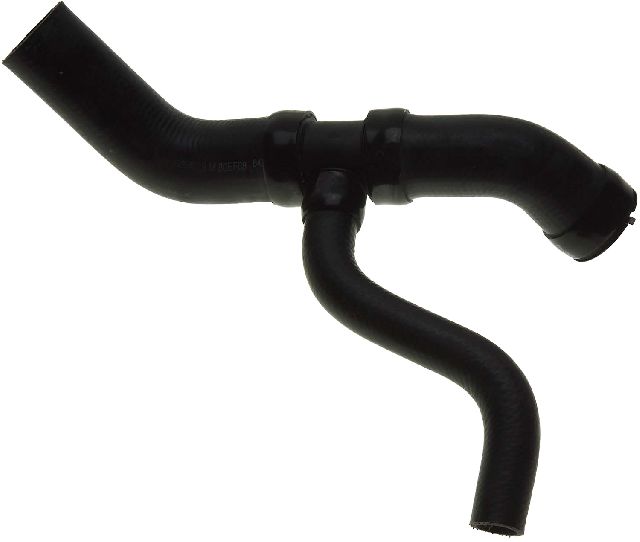
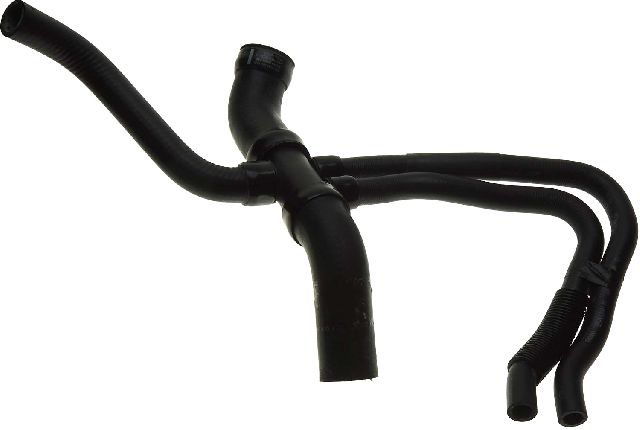
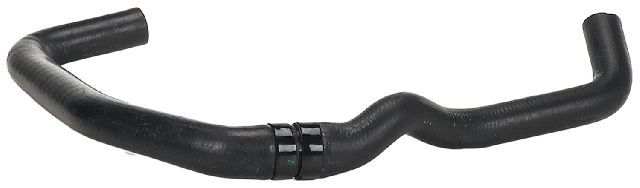
Hoses for the 1997-2005 Ford Expedition are made from EPDM rubber to resist heat and chemicals. They are pre-molded to fit the specific routing for the 4.6L or 5.4L V8 engines. The lower hose on many early models features a unique quick-connect fitting at the radiator.
We Have This Part in Stock

The information in this article is provided for general reference and educational purposes only. Vehicle specifications, procedures, and part compatibility can vary by production date, trim level, and region. Always consult your vehicle's factory service manual and verify part numbers before purchasing or performing repairs. Safety-critical components such as airbags, seat belts, and braking systems should be installed by a qualified professional.
- Ford Expedition: