

A Guide to Spark Plugs for the 1997-2005 Ford Expedition
Understand the common, but very different, spark plug issues in the Triton V8 engines and how to choose the right replacement parts.
- Identify your engine: 1997-2004 models are prone to spark plug blowouts, while 2005 3-valve models are prone to plugs breaking during removal.
- Change plugs more frequently (every 40-60k miles) than the 100k-mile factory recommendation to prevent seizure and breakage.
- For 3-valve engines, use a one-piece spark plug design from brands like Motorcraft (SP-546), Champion, or NGK to avoid the breakage issue of the original two-piece plugs.
- Proper installation technique (correct torque, cleaning wells, using penetrating oil) is more critical than the brand of spark plug you choose.
Understanding the Two Major Spark Plug Problems

If you own a 1997-2005 Ford Expedition, you're dealing with one of two potential engine designs, each with its own infamous spark plug issue. It is critical to know which engine your truck has to understand the risks and choose the correct parts and installation procedure.
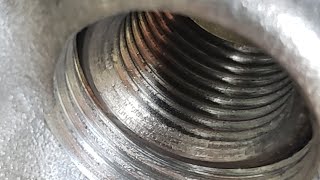
- 1997-2004 (Early 2005) 4.6L & 5.4L 2-Valve Triton Engines: Spark Plug Blowout. These engines were built with cylinder heads that had a shallow design with only a few threads to hold the spark plugs in place. Over time, heat and pressure can cause these threads to weaken or fail, leading to the spark plug being violently ejected from the cylinder head. This can damage the ignition coil and the threads in the head, requiring a costly repair.
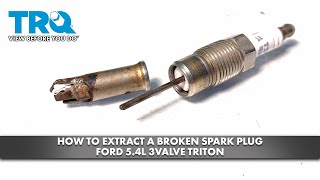
- 2005 (Late) 5.4L 3-Valve Triton Engines: Spark Plug Breakage. For the 2005 model year, Ford introduced the 3-valve Triton engine, which solved the blowout issue by using more threads. However, the original equipment (OE) Motorcraft two-piece spark plugs created a new problem. Carbon could build up on the lower part of the plug (the ground electrode shield), causing it to seize in the cylinder head. When you try to remove the plug, the upper portion can break off, leaving the lower piece stuck in the head. This requires a special extractor tool to remove the broken piece.
Know Your Engine
The 2005 model year is a transition period. You must verify if your Expedition has the 2-valve or 3-valve 5.4L engine to understand which problem you might face. A visual inspection of the engine or checking your vehicle's VIN can help determine the exact engine type.
Choosing the Right Aftermarket Spark Plugs

When replacing spark plugs on your Expedition, you have several options. While OEM Motorcraft plugs are a reliable choice, several aftermarket brands offer excellent quality, sometimes with design improvements over the original parts.
- OEM-Equivalent (Motorcraft): For many owners, sticking with Motorcraft is the safest bet. They are designed specifically for your engine. However, for 3-valve engines, be aware that early Motorcraft designs were the two-piece plugs that caused the breakage problem. Newer Motorcraft plugs (like the SP-546) are a revised one-piece design that solves this issue.
- Premium Aftermarket (NGK, Denso): Brands like NGK and Denso are highly regarded and often supply parts to vehicle manufacturers. They offer high-quality iridium and platinum plugs that provide excellent performance and a long service life. For the 3-valve engines, these brands were among the first to offer a one-piece design to prevent the breakage issue.
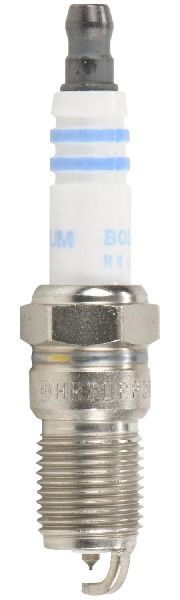
- Quality Aftermarket (Bosch, Champion, Autolite): These brands offer a good balance of performance and value. Champion, for example, offers one-piece design plugs for the 3-valve engines. Autolite and Bosch also provide reliable options that meet or exceed OEM specifications.
- Budget-Friendly (Accel, Skyward): While more affordable, the quality and longevity of budget brands can be less consistent. Given the critical and problematic nature of spark plugs in Triton engines, investing in a reputable, well-known brand is strongly recommended to avoid future headaches.
Pro Tip: Installation is Key
For either engine type, proper installation is more important than brand choice. For 2-valve engines, torquing the plugs to the correct specification (many mechanics recommend a slightly higher torque of around 25 ft-lbs) is crucial to prevent blowouts. For 3-valve engines, changing plugs on a warm engine and using a penetrating oil can help loosen carbon and prevent breakage. Always blow compressed air into the spark plug wells before removal to prevent debris from falling into the cylinder.
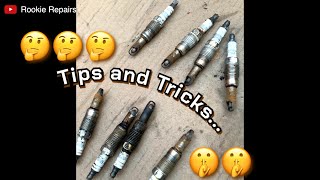
🎬 Watch: Expert tips for replacing spark plugs on 3V Triton engines| Brand Tier | Example Brands | Price Range (Per Plug) |
|---|---|---|
| OEM | Motorcraft | $6 - $15 |
| Premium Aftermarket | NGK, Denso | $10 - $20 |
| Quality Aftermarket | Bosch, Champion, Autolite | $5 - $13 |
| Budget | Accel, Skyward | $4 - $9 |
Frequently Asked Questions (FAQ)

How often should I change the spark plugs on my Expedition?
Ford originally recommended a 100,000-mile interval. However, due to the known issues, many mechanics and owners recommend a much shorter interval of 40,000 to 60,000 miles. This helps prevent the excessive carbon buildup that causes plugs to break in 3-valve engines and allows you to re-torque and check the plugs in 2-valve engines to prevent them from working loose.
What is the correct spark plug gap?
The recommended spark plug gap is typically between 0.052 and 0.056 inches, but you should always verify the exact specification for your vehicle's model year and engine. Most modern iridium and platinum plugs come pre-gapped and should not be adjusted, as you can easily damage the fine-wire tip. Always check the new plug's gap before installation to ensure it wasn't damaged in shipping.
Should I use anti-seize on the spark plug threads?
This is a debated topic. Some mechanics recommend a small amount of nickel-based anti-seize on the threads for 2-valve engines to aid future removal. However, others argue that anti-seize can act as a lubricant, causing you to over-torque the plug, which can damage the threads. If you do use it, reduce the torque by about 10-15%. For 3-valve engines, a special high-temperature nickel anti-seize should be applied only to the ground shield (the lower barrel of the plug), not the threads, to prevent it from seizing in the head.
What happens if a spark plug blows out or breaks?
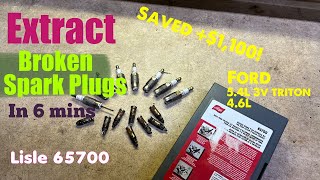
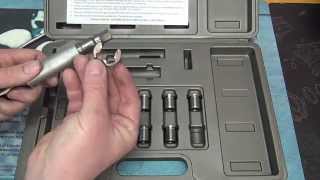
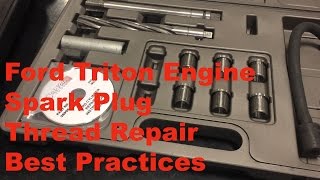
If a plug blows out (2-valve engines), you will hear a loud pop followed by a noise like a severe exhaust leak. The engine will run rough. The fix involves repairing the threads in the cylinder head, often with a steel insert kit like a Time-Sert. 🎬 Watch: How to use a repair kit for blown out spark plugs If a plug breaks during removal (3-valve engines), you will need a special extraction tool, like the Lisle 65600, to remove the broken piece from the head.
🎬 See a detailed walkthrough on using the broken plug extraction toolHelpful Videos
Technical Specifications
OEM Part Numbers: SP479 SP509 SP515 SP546
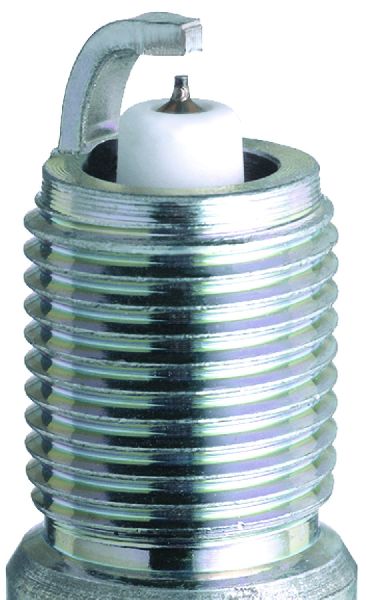
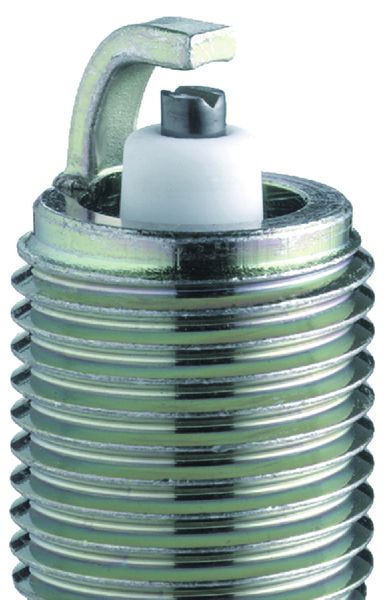
Engine-specific design (2-valve vs. 3-valve), thread reach, heat range, and electrode material (Copper, Platinum, Iridium).
We Have This Part in Stock

The information in this article is provided for general reference and educational purposes only. Vehicle specifications, procedures, and part compatibility can vary by production date, trim level, and region. Always consult your vehicle's factory service manual and verify part numbers before purchasing or performing repairs. Safety-critical components such as airbags, seat belts, and braking systems should be installed by a qualified professional.
- Ford Expedition: