

Ford F-150 Engine Mount Guide: 1997-2005 Symptoms, Brands, and Replacement
Stop the shaking and clunking in your F-150 by choosing the right replacement engine mount for your truck.
- The most common signs of failure are heavy vibration at idle and a 'clunk' noise when accelerating.
- Verify your truck's exact year and model (standard vs. Heritage) and double-check that you receive the correct part for the driver or passenger side.
- Aftermarket brands like Anchor and DEA are budget options, while Pioneer is often seen as a higher-quality alternative.
- For best results, always replace engine mounts in pairs and inspect the transmission mount at the same time.
Is Your F-150 Engine Mount Bad? Common Symptoms
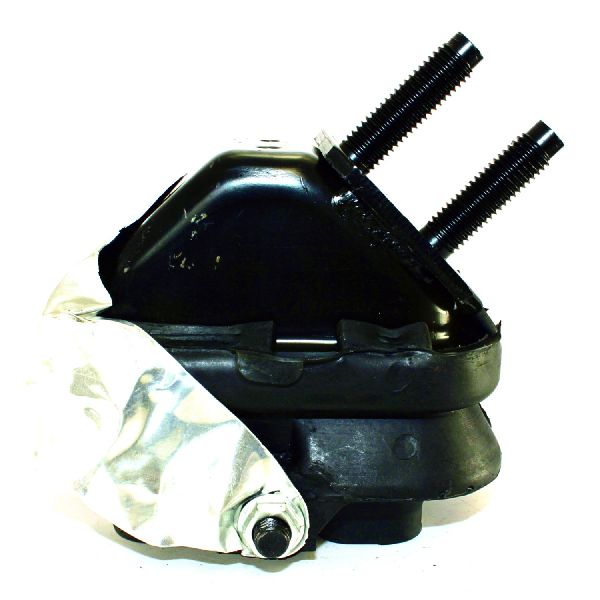
A failing engine mount on this generation of F-150 will make itself known. The original mounts are often hydraulic (fluid-filled) and after many years and miles, the rubber breaks down or the fluid leaks out. Look for these classic signs:
- Excessive Vibration: This is the most common complaint. You'll feel a rough vibration through the steering wheel, floor, and seats, especially when the truck is idling in Drive or Reverse.
- Clunking and Banging: A loud 'clunk' or 'thump' when you accelerate from a stop, shift gears, or even brake suddenly is a tell-tale sign. This is the sound of the engine shifting and hitting other parts because the mount can no longer hold it steady.
- Engine Movement: Open the hood and have a friend help. With the parking brake on and their foot on the main brake, have them shift from Park to Reverse, then to Drive. If you see the engine lurch or rock aggressively, the mounts are likely shot.
Critical Ordering Information for 1997-2005 F-150s
1. Check Your Year & Model: The 1997-2003 F-150 is the 10th Generation. In 2004, Ford sold both the old body style as the "F-150 Heritage" and the brand new 11th Generation F-150. Parts are completely different between these two 2004 models. The 2005 F-150 is the new 11th Generation. Double-check which truck you have before ordering.
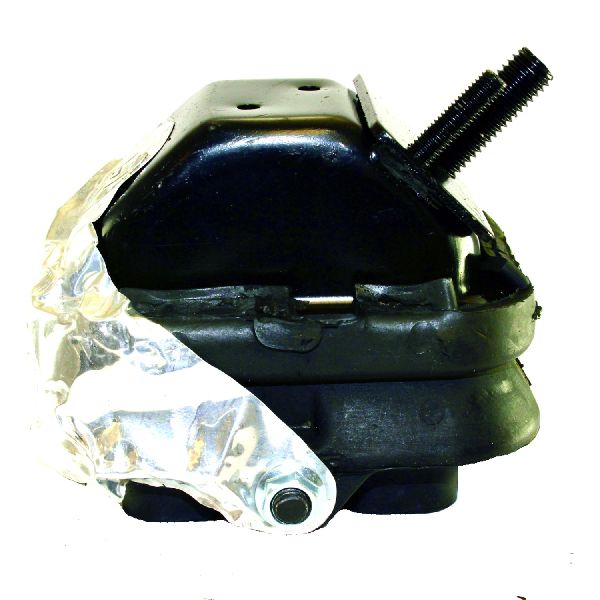
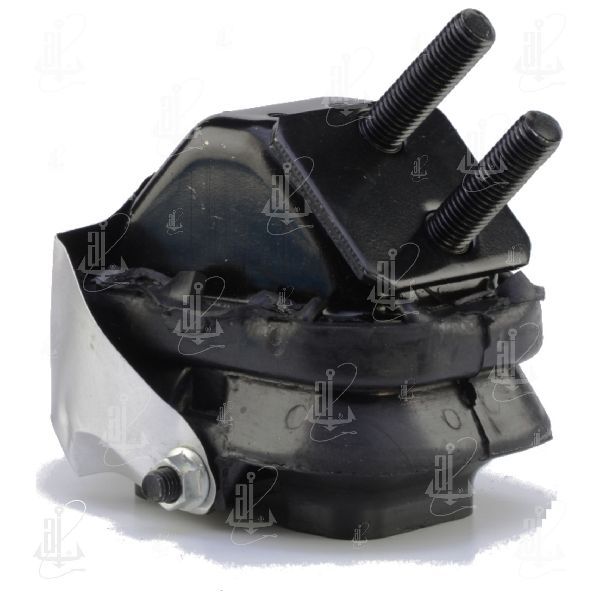
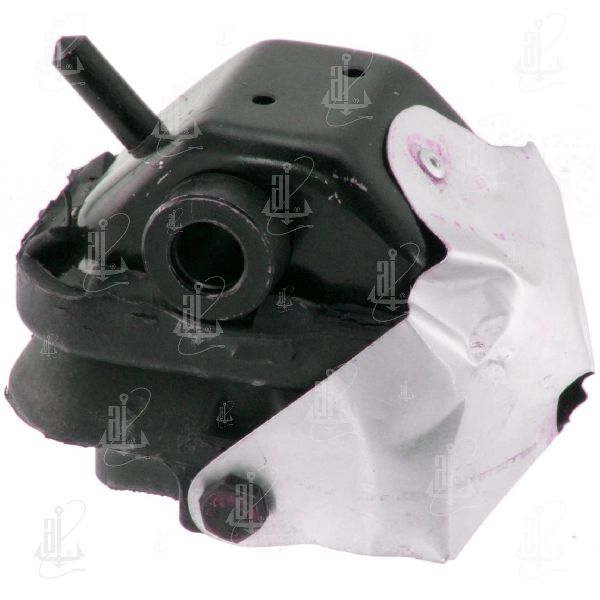
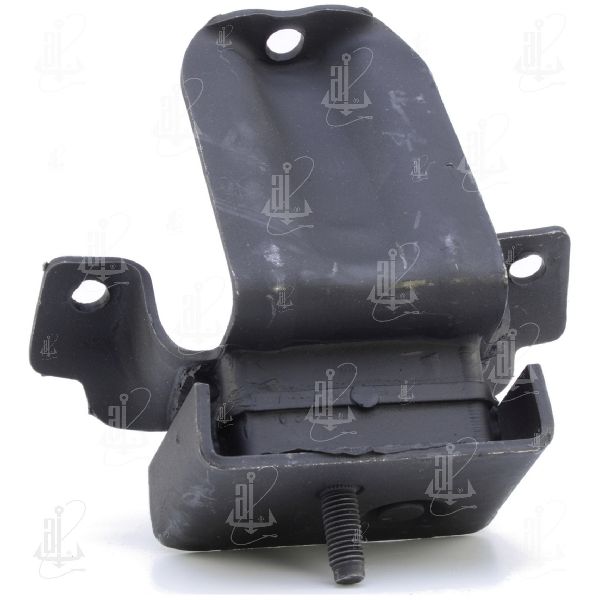
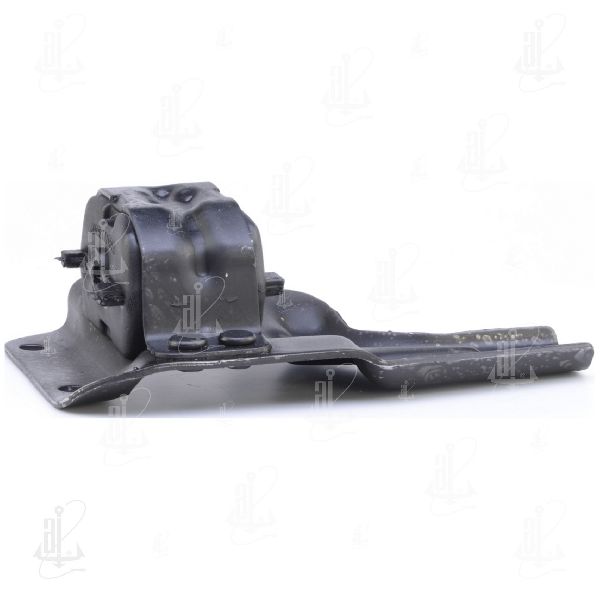
2. Verify Left vs. Right Parts: There is a known issue where auto parts stores' systems mix up the passenger and driver side mounts for these trucks. Before leaving the store or upon receiving your part, compare the new mount to the old one to ensure it is a mirror image and not the same side. This can save you a major headache during installation.
Choosing the Right Aftermarket Engine Mount
When shopping for a new aftermarket mount, you'll find a wide price range. Quality generally follows the price. While OEM mounts from Ford provide the best performance and longevity, they are often significantly more expensive. Aftermarket brands offer a more affordable solution, but quality can vary.
Aftermarket Brand Tiers
Based on owner experiences and mechanic feedback, aftermarket brands for this truck generally fall into these tiers:
- Budget Brands (Anchor, DEA, Westar): These are the most affordable options and are widely available. They will secure your engine, but be aware that many users report they may not last as long as the original parts and can sometimes cause more cabin vibration than OEM. For a work truck or a budget-conscious repair, they can be a viable choice.
- Mid-Grade Brands (Pioneer): Forum discussions suggest that Pioneer is often a step up in quality from the budget brands. Owners have reported that these mounts look and feel closer to the original factory parts, offering a good balance of price and performance.
Pro Tip: Replace in Pairs
If one engine mount has failed, the others have been under extra stress and are likely worn out too. It is highly recommended to replace both the left and right engine mounts at the same time. This ensures even support for the engine. Also, check your transmission mount, as they are a common wear item on these trucks and are relatively easy to replace at the same time.
Replacement Cost
The cost to replace your engine mounts will depend on the brand you choose and whether you do the work yourself. The job is challenging and requires safely lifting the engine.
| Item | Estimated Cost |
|---|---|
| New Aftermarket Mounts (Pair) | $50 - $320 |
| New OEM Mounts (Pair) | $300 - $600+ |
| Shop Labor | $250 - $500 |
Frequently Asked Questions (FAQ)
Can I drive with a bad engine mount?
You can, but it's not recommended for long. A bad mount puts extra stress on your transmission, driveshaft, hoses, and exhaust system. The excessive movement can cause other, more expensive parts to break.
Why are some aftermarket mounts so much cheaper?
The price difference often comes down to materials and design. OEM mounts are frequently hydraulic (fluid-filled) and tuned specifically for the F-150's engine to absorb vibration. Many cheaper aftermarket mounts use a simpler, solid rubber design which is less expensive to produce but may not control vibration as effectively.
Is replacing F-150 engine mounts a DIY job?
This is an advanced DIY job. It requires a floor jack, jack stands, and a block of wood to safely support the engine. Access is tight, especially on the driver's side, and may require removing the oil filter or loosening the transmission crossmember to get enough clearance to lift the engine. If you are not comfortable with these steps, it is best to leave this job to a professional mechanic.
Should I replace the transmission mount at the same time?
Yes, it's a great idea. The transmission mount is also a common failure point on these trucks and is much easier and cheaper to replace than the engine mounts. Replacing all three (left engine, right engine, transmission) will restore your drivetrain's stability.
Helpful Videos
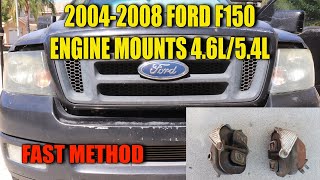
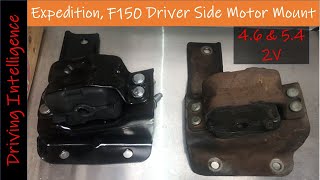
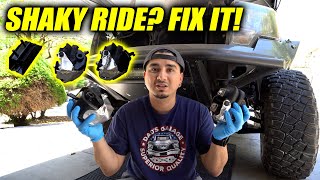
Technical Specifications
Mounts are specific to engine size (4.2L V6, 4.6L V8, 5.4L V8), drivetrain (2WD vs 4WD), and side (Left/Driver vs Right/Passenger). Some original mounts are hydraulic (fluid-filled), while many aftermarket replacements are solid rubber. Part number verification is critical due to mid-generation changes.
We Have This Part in Stock

The information in this article is provided for general reference and educational purposes only. Vehicle specifications, procedures, and part compatibility can vary by production date, trim level, and region. Always consult your vehicle's factory service manual and verify part numbers before purchasing or performing repairs. Safety-critical components such as airbags, seat belts, and braking systems should be installed by a qualified professional.
- Ford F-150: