

Ford Mustang Automatic Transmission Mount Guide (1997-2005)
Stop the clunks and vibrations by choosing the right transmission mount for your SN95 or New Edge Mustang.
- Decide between ride comfort (rubber mounts) and performance (polyurethane mounts), which add significant vibration.
- Budget-friendly rubber mounts from brands like Anchor and Westar are effective for daily drivers but may not last as long as OEM.
- The replacement is a straightforward DIY job for many owners, requiring basic tools and about an hour of time.
- Always inspect engine mounts when replacing the transmission mount, as they wear under similar conditions and a failure of one stresses the others.
What is a Transmission Mount and Why Does it Fail?
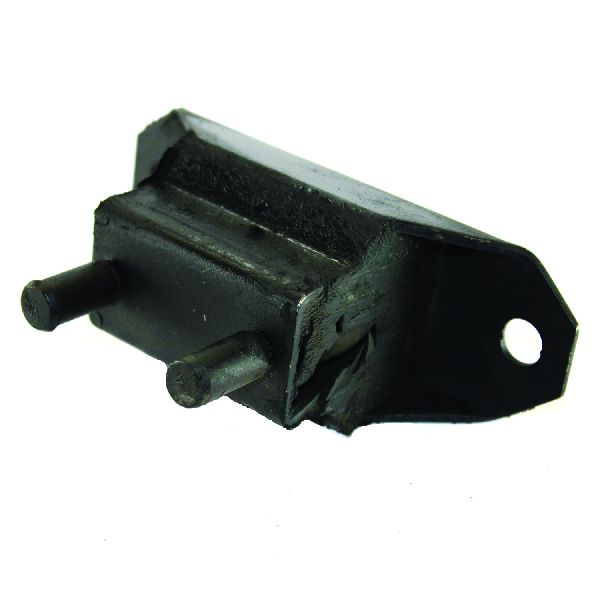
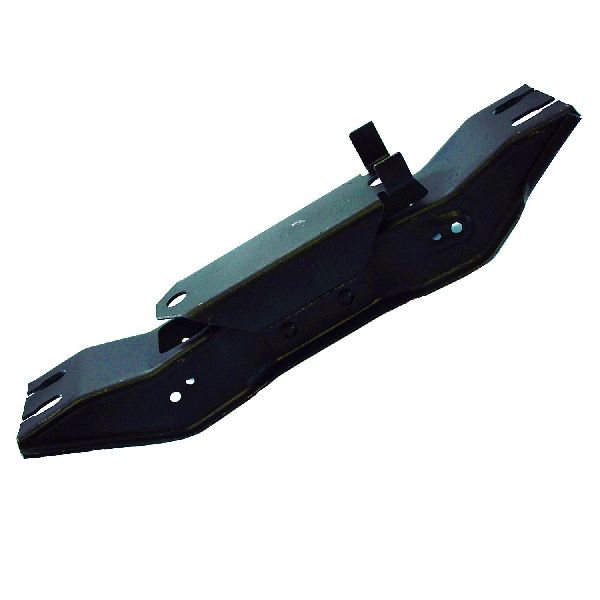
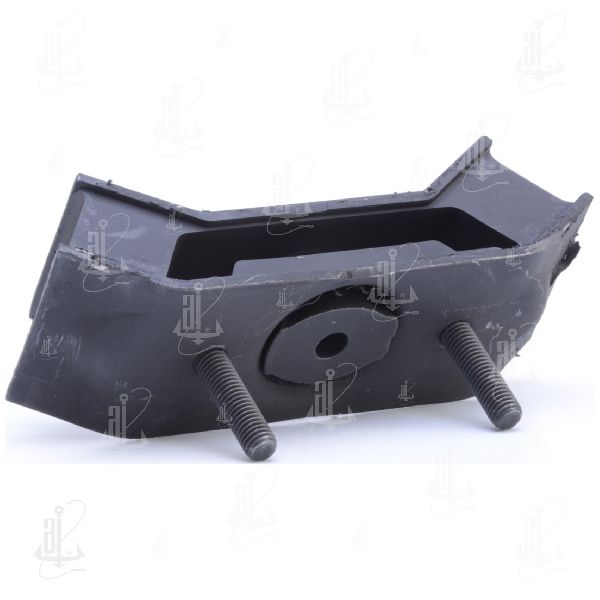
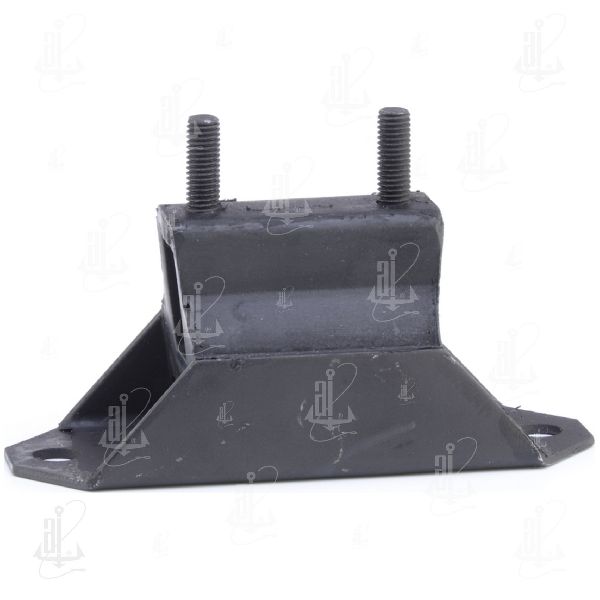
Think of the transmission mount as a heavy-duty rubber and metal sandwich. It bolts between the tail-end of your automatic transmission and the car's crossmember (a support beam that runs across the frame). Its job is to hold the heavy transmission in place while also soaking up vibrations. Over time, the rubber in the mount can crack, tear, or get soaked with leaking fluids like oil, which causes it to soften and fail. Age and the constant stress of holding the drivetrain in place simply wear it out.
Symptoms of a Failing Transmission Mount
A bad transmission mount will give you some clear warning signs. If you notice any of these, it's time for an inspection:
- Clunking Noises: You might hear a distinct "clunk" or "bang" when you shift from Park into Drive or Reverse. This noise can also happen during hard acceleration or braking.
- Excessive Vibrations: A new vibration felt in the floor, seats, or shifter is a classic symptom. Since the mount is no longer absorbing vibrations properly, they travel right into the cabin.
- Drivetrain Movement: In severe cases, you might feel the whole engine and transmission assembly shift or jolt when you accelerate. This indicates the mount has failed and is allowing too much movement.
Pro Tip: Check Your Engine Mounts Too
When a transmission mount fails, it puts extra stress on the engine mounts. They often fail around the same time. When you replace one, it's a good idea to inspect the others to avoid having to do a similar repair job a few months later.
Choosing the Right Aftermarket Mount: Rubber vs. Polyurethane
For your 1997-2005 Mustang, you have two main choices for aftermarket mounts: standard rubber (OE-style) and performance polyurethane. Your driving style and tolerance for noise will determine the best choice for you.
Standard Replacement (Rubber)
Brands: Anchor, DEA, Westar, Pioneer
These brands produce affordable, OE-style rubber mounts. They are designed to mimic the comfort and vibration absorption of the original factory part. They are a great choice for a daily-driven Mustang where ride quality is the priority. While some user reviews suggest they may not last as long as a genuine Ford part, they are a cost-effective solution to fix a failed mount. They are considered a direct, budget-friendly replacement to get your car back to factory-like condition.
Performance Upgrade (Polyurethane)
Brand: Prothane
Polyurethane is a much stiffer material than rubber. A Prothane mount is a performance upgrade designed to drastically reduce drivetrain movement. This gives the car a more connected feel, improves throttle response, and can make shifting more precise by keeping the driveline stable. However, there is a significant trade-off.
Warning: Increased Noise and Vibration
Polyurethane mounts transfer much more noise, vibration, and harshness (NVH) into the car's cabin. This is not a defect; it's a direct result of the stiffer material. If you use your Mustang as a comfortable daily driver, a polyurethane mount might make the ride too harsh for your liking.
Replacement Cost
Replacing the transmission mount is a common repair. The cost depends on whether you do it yourself or take it to a shop.
| Item | Estimated Cost |
|---|---|
| New Aftermarket Mount (Rubber) | $15 - $50 |
| New Aftermarket Mount (Polyurethane) | $99 - $125 |
| Shop Labor | $97 - $225 |
| Total (Shop Repair) | $112 - $275 |
Frequently Asked Questions (FAQ)
Can I install a transmission mount myself?
Yes, this is a DIY-friendly job for someone with basic mechanical skills and tools. The process involves supporting the transmission with a jack, unbolting the crossmember and old mount, and then bolting in the new part. It typically takes about an hour.
Is there a difference between the mount for a 1997 and a 2005 Mustang?
Yes, this is very important. The 1997-2004 Mustangs share the SN95/New Edge platform, and many mounts are compatible across these years for the automatic transmission (4R70W). The 2005 Mustang is a completely different chassis (S197) and uses a different mount. Always confirm the part fits your specific year before ordering.
Will a new mount fix my car's vibration?
If the vibration is caused by a failed transmission mount, then yes, a new rubber mount will fix it. However, if you install a polyurethane mount, you will likely experience a new, different type of vibration due to the stiffer material. Vibrations can also be caused by other issues like engine mounts, driveshaft imbalance, or tire problems, so a full diagnosis is important.
Are there any recalls for the 1997-2005 Mustang transmission mount?
No, searches of the National Highway Traffic Safety Administration (NHTSA) database show no recalls specifically for the transmission mount on 1997-2005 Ford Mustangs.
Technical Specifications
OEM Part Numbers: F6ZZ-6068-A F6ZZ-6068-FA
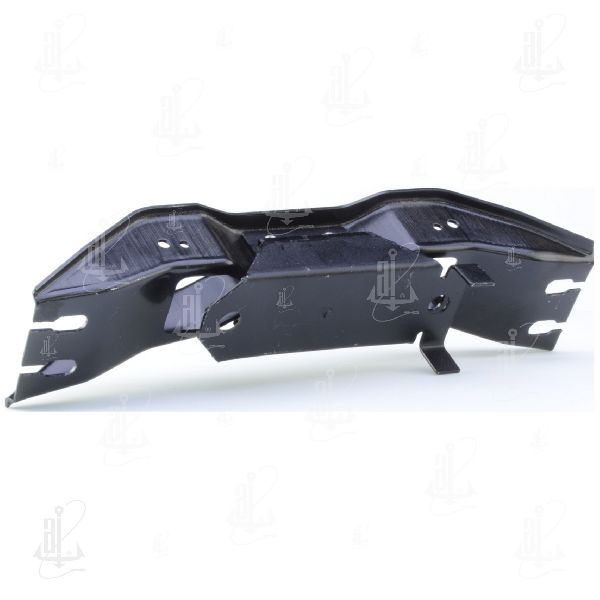
The mount for the 1997-2004 Mustang with the 4R70W automatic transmission is a distinct part from the 2005 S197 chassis mount. It consists of a metal bracket with a bonded rubber insulator that bolts to the transmission crossmember. Polyurethane aftermarket versions replace the entire crossmember assembly in some kits.
We Have This Part in Stock


The information in this article is provided for general reference and educational purposes only. Vehicle specifications, procedures, and part compatibility can vary by production date, trim level, and region. Always consult your vehicle's factory service manual and verify part numbers before purchasing or performing repairs. Safety-critical components such as airbags, seat belts, and braking systems should be installed by a qualified professional.
- Ford Mustang:
- 🛍️ Shop This Part
- What is a Transmission Mount and Why Does it Fail?
- Symptoms of a Failing Transmission Mount
- Pro Tip: Check Your Engine Mounts Too
- Choosing the Right Aftermarket Mount: Rubber vs. Polyurethane
- Standard Replacement (Rubber)
- Performance Upgrade (Polyurethane)
- Warning: Increased Noise and Vibration
- Replacement Cost
- Frequently Asked Questions (FAQ)
- 🎟️ Get 5% Off