

A Guide to Replacing Brake Hoses on the 1997-2005 Mercedes-Benz CLK320
Don't let a simple rubber part compromise the powerful brakes on your CLK320.
- Brake hoses are a critical safety item; if you suspect a leak, do not drive the vehicle.
- On a 1997-2005 CLK320, it is essential to inspect the connecting hard metal brake lines for rust, as this is a common failure point.
- Always use flare nut wrenches to prevent stripping the soft fittings during replacement.
- After replacing any brake hose, the entire brake system must be bled to remove air.
Symptoms of a Failing Brake Hose
Brake hoses are wear items. After two decades, the original rubber on a 1997-2005 CLK320 is likely nearing the end of its life. Age, heat, and flexing cause them to degrade from the inside out. Look for these warning signs:
- Spongy or Soft Brake Pedal: If the pedal feels mushy or goes closer to the floor than usual, it can be a sign of a hose swelling or 'ballooning' under pressure instead of transferring that pressure to the caliper.
- Visible Fluid Leaks: Look for drips of clear or yellowish, slightly oily brake fluid on the inside of your wheels, on the ground, or coating the hose itself. A fluid leak is a serious safety issue.
- Cracked or Blistered Hose: A visual inspection may reveal cracks, bubbles, or chafing on the outer surface of the hose. If it looks damaged, it needs to be replaced.
- Vehicle Pulling to One Side: An internally collapsed hose can act like a one-way valve, trapping pressure on one caliper. This can cause the car to pull to one side when braking or even while driving.
- Brake Warning Light: A significant fluid leak will cause the fluid level in the master cylinder reservoir to drop, triggering the brake warning light on your dashboard.
A Note on Hard Brake Lines (Pipes)
A common issue on this generation of Mercedes, including the W208 and W209 CLK, is not the rubber hose but the rigid steel brake lines they connect to. These metal pipes, especially the long runs to the rear of the car, are known to rust and corrode, sometimes bursting under pressure. When replacing your flexible hoses, it is critical to inspect the condition of the hard lines and their fittings. A rusted fitting can make a simple hose replacement a much bigger job.
Choosing the Right Aftermarket Brake Hose
For a vehicle like the CLK320, you don't need to buy an expensive OEM part from the dealer. Many aftermarket brands produce high-quality hoses that meet or exceed Department of Transportation (DOT) standards. Here’s a breakdown of the available brands:
Tier 1: OEM Quality & German Specialists
These brands are often original equipment suppliers to German automakers or specialize in high-quality parts for them. They are an excellent choice for fit and longevity.
- Corteco: A well-respected brand in the European parts world, known for OEM-level quality, particularly with rubber and sealing components.
- Vaico: Another German aftermarket specialist offering a wide range of parts that often meet or exceed OEM specifications.
Tier 2: Reputable Aftermarket Leaders
These are well-known names in the braking industry with a solid reputation for quality and reliability.
- Raybestos: Often considered a higher-quality option in the aftermarket, with users noting a considerable difference in build quality compared to cheaper alternatives.
- Centric: A popular choice used frequently by professional shops. They are known to be reliable, DOT-approved, and offer good quality for the price.
Tier 3: Standard & Value-Oriented
These brands offer a reliable repair at a very accessible price point. They are often the go-to for daily drivers.
- Sunsong: A major manufacturer that produces brake hoses for many other brands, including Dorman and ACDelco. They are considered a solid, OE-style replacement with good fitment.
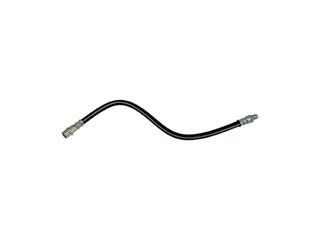
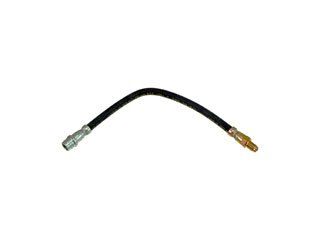
- Dorman: A widely available aftermarket brand that often sources parts from manufacturers like Sunsong.
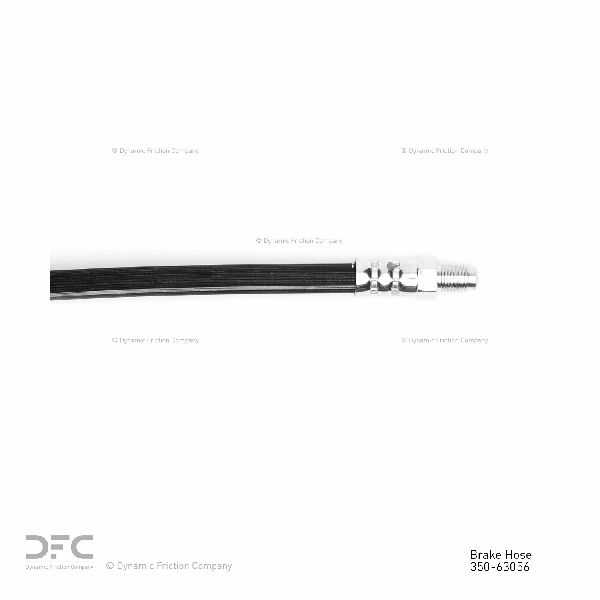
- Dynamic Friction: A brand focused on providing a balance of performance and value.
Pro Tip: Replace in Pairs
It is highly recommended to replace brake hoses in pairs (both fronts or both rears). If one hose has failed due to age, the other side is likely in similar condition and will fail soon. Replacing them together ensures balanced brake performance.
Estimated Costs for Brake Hose Replacement
| Part / Service | Estimated Cost |
|---|---|
| New Aftermarket Brake Hose (Single) | $15 - $45 |
| New OEM Brake Hose (Single) | $60 - $90 |
| Shop Labor (Per Axle) | $150 - $250 |
Frequently Asked Questions
Can I drive with a bad brake hose?
No. A leaking or damaged brake hose is a critical safety failure. A complete loss of brake fluid to one or more wheels can occur, leading to a dangerous increase in stopping distance or total brake failure. The vehicle should be towed for repair.
What's the difference between a brake hose and a brake line?
The terms are often used interchangeably, but technically, 'brake lines' (or pipes) are the rigid metal tubes that run the length of the car's frame. 'Brake hoses' are the short, flexible rubber sections that connect the hard lines to the brake calipers, allowing for suspension and steering movement.
Do I need special tools for this job?
Yes. To avoid stripping the soft metal fittings, you must use flare nut wrenches (typically 11mm and 14mm for this job). Standard open-end wrenches will likely round off the fittings, especially if they are rusted. You will also need a brake bleeding kit to remove air from the system after the replacement is complete.
What about upgrading to stainless steel braided hoses?
Stainless steel braided hoses are a popular performance upgrade. They have a Teflon inner liner with a steel braid over the top, which prevents the hose from expanding under pressure. This can result in a firmer, more responsive brake pedal. For a daily driven CLK320, a quality new rubber hose is perfectly adequate, but a stainless steel upgrade is an option for owners seeking improved pedal feel.
Technical Specifications
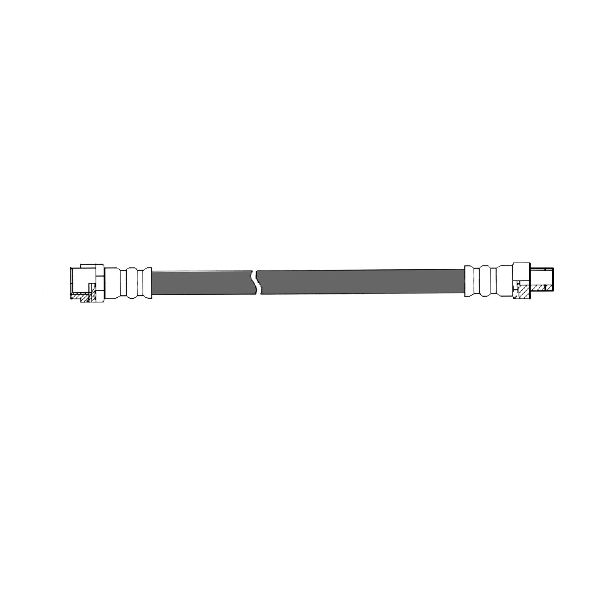
Brake hoses for the CLK320 are vehicle- and position-specific (front, rear, left, right). They consist of a reinforced rubber hose with threaded metal fittings at each end. All replacement hoses must be DOT certified.
We Have This Part in Stock



The information in this article is provided for general reference and educational purposes only. Vehicle specifications, procedures, and part compatibility can vary by production date, trim level, and region. Always consult your vehicle's factory service manual and verify part numbers before purchasing or performing repairs. Safety-critical components such as airbags, seat belts, and braking systems should be installed by a qualified professional.
- Mercedes-Benz CLK320:
- 🛍️ Shop This Part
- Symptoms of a Failing Brake Hose
- A Note on Hard Brake Lines (Pipes)
- Choosing the Right Aftermarket Brake Hose
- Tier 1: OEM Quality & German Specialists
- Tier 2: Reputable Aftermarket Leaders
- Tier 3: Standard & Value-Oriented
- Pro Tip: Replace in Pairs
- Estimated Costs for Brake Hose Replacement
- Frequently Asked Questions
- 🎟️ Get 5% Off