

A/C Compressor Replacement Guide for 1997-2005 Mercury Mountaineer
Everything you need to know before replacing the A/C compressor on your first or second-generation Mountaineer.
- Beware of "Black Death" failure; if you see black sludge, you must replace the compressor, accumulator, orifice tube, and flush the system.
- Always replace the accumulator/drier and orifice tube when installing a new compressor to protect your investment and validate the warranty.
- Denso is widely considered the highest quality aftermarket brand, offering OEM-level performance and reliability.
- Verify the correct PAG oil capacity for your system and manually add it to the new compressor, even if it comes pre-filled.
Is Your Mountaineer's A/C Compressor Failing?
When the A/C goes out on a hot day, the compressor is a common suspect. For the 1997-2005 Mercury Mountaineer, which shares its platform with the Ford Explorer, certain symptoms point directly to a worn-out or failing compressor. Ignoring them can lead to a much more expensive repair down the road.
Common Symptoms of Failure:
- Warm Air From Vents: The most obvious sign. If the system is charged with refrigerant but the air is still warm, the compressor may not be engaging or building pressure.
- Loud Grinding or Squealing: Noises that start only when you turn on the A/C point to bad internal bearings or a failing clutch. This often means the compressor is about to seize.
- Visible Leaks: Oily residue on the compressor body indicates that the internal seals have failed and refrigerant oil is leaking out.
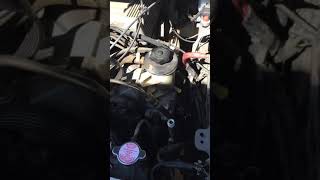
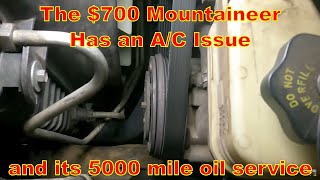
- A/C Clutch Doesn't Engage: 🎬 Watch this guide on how to quickly diagnose A/C concerns. You should hear a distinct 'click' when the A/C is turned on, and the center part of the compressor pulley should start spinning. If it doesn't, the problem could be the clutch, an electrical issue, or a seized compressor.
Critical Issue: Ford's "Black Death" Compressor Failure
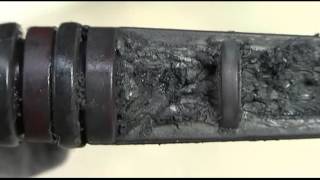
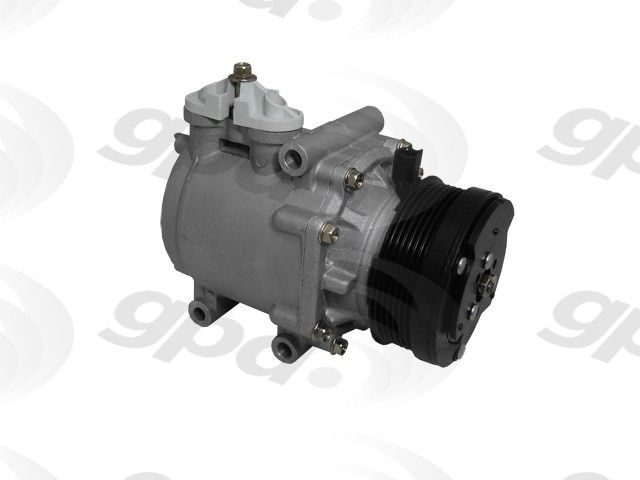
Ford vehicles from this era, including the Mountaineer with its FS10-style compressor, are known for a catastrophic failure nicknamed "Black Death." 🎬 See how to clean the orifice tube after a failure. This is when the compressor fails internally and contaminates the entire A/C system with black, gritty sludge made of metal shavings and burnt oil.
If this happens, you CANNOT just replace the compressor. The debris will destroy the new compressor almost immediately. A complete repair requires:
- Replacing the A/C Compressor
- Replacing the Accumulator/Drier
- Replacing the Orifice Tube (or Expansion Valve on some models)
- Thoroughly flushing the evaporator, condenser, and all A/C lines with an approved solvent. In severe cases, the condenser must also be replaced as it's nearly impossible to flush completely.
Choosing the Right Aftermarket Compressor
When shopping for a new aftermarket compressor, quality matters. A cheap unit that fails can force you to do the entire expensive job all over again. Here’s a breakdown of the available brands.
Brand Quality Tiers
- Premium Aftermarket (OEM-Equivalent): Brands like Denso and Valeo are often the original equipment manufacturers for Ford and other automakers. Denso is frequently cited as the best quality replacement, offering reliability and quiet operation that rivals the original Motorcraft part. Choosing one of these is your safest bet for long-term performance.
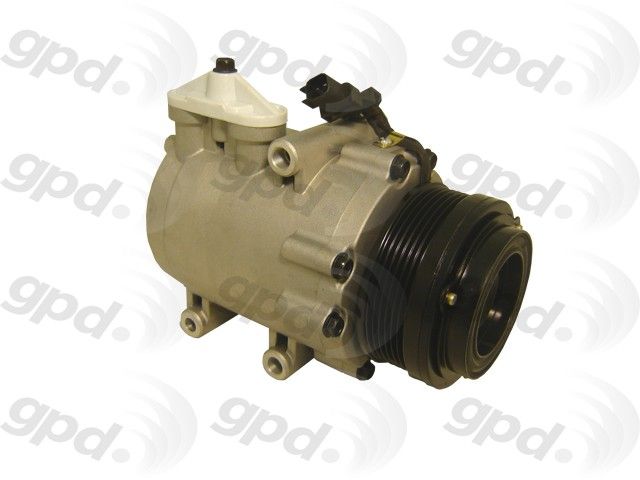
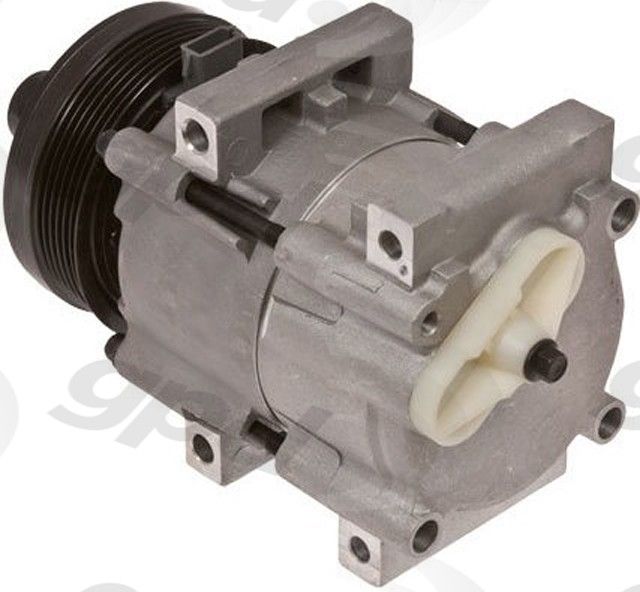
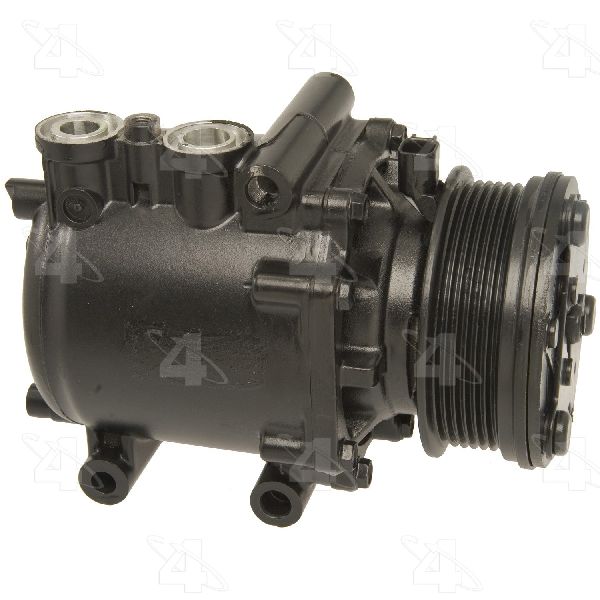
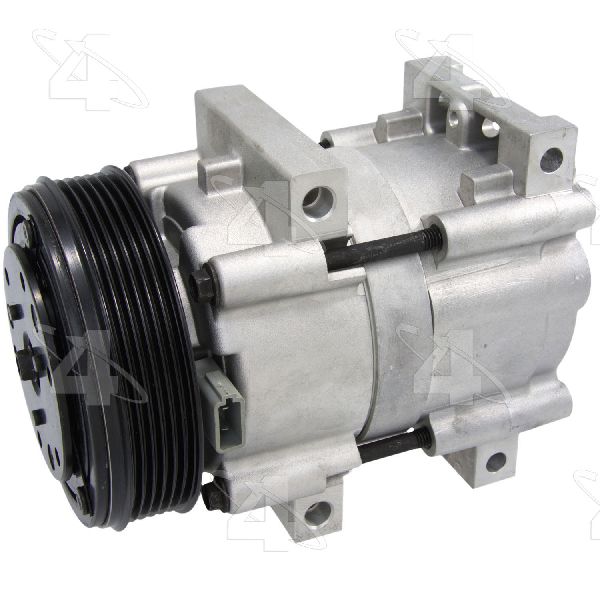
- Standard Aftermarket: Four Seasons is a well-known aftermarket brand that offers a balance of price and quality. While some users report good experiences, others have noted shorter lifespans compared to Denso or Motorcraft. Consider this a solid mid-range option. Global Parts (GPD) also falls into this category as a popular, affordable choice.
- Economy: Brands listed as Replacement are typically private-label parts. They are the most budget-friendly option, but quality can be inconsistent. These are best suited for situations where budget is the primary concern.
Pro Tip: Many brands offer kits that include the compressor, accumulator/drier, orifice tube, and new O-rings. Buying a kit is highly recommended. It ensures you have all the necessary components for a proper installation and often costs less than buying each part separately.
Typical Replacement Costs
The cost to replace your Mountaineer's A/C compressor depends on the parts you choose and your local shop's labor rates. A simple compressor swap is cheaper than a full system overhaul after a "Black Death" failure.
| Part/Service | Estimated Cost |
|---|---|
| New Aftermarket Compressor | $167 - $455 |
| New OEM (Motorcraft) Compressor | $350 - $550+ |
| Shop Labor (Simple Swap) | $200 - $350 |
| Shop Labor (Full System Flush & Replacement) | $450 - $700+ |
Frequently Asked Questions (FAQ)
Can I just replace the A/C clutch and not the whole compressor?
Sometimes. If only the clutch bearing is bad (making noise with the A/C off) or the electromagnetic coil has failed, you can replace just the clutch assembly without opening the refrigerant system. However, if the compressor is noisy with the A/C on, has seized, or is leaking, the entire unit must be replaced.
Do new compressors come with oil?
Yes, most new aftermarket compressors come pre-filled with PAG oil. However, the amount may not be correct for your specific vehicle (especially if it has rear A/C). It is critical to drain the oil from the new compressor and add the exact amount specified for your Mountaineer's A/C system. Too much or too little oil will cause the new compressor to fail.
Is this a good DIY job?
This is an advanced DIY job. While the compressor itself is usually accessible, the A/C system is highly pressurized. Legally and safely, the refrigerant must be recovered with a special machine before starting work and then vacuumed and recharged after. If you don't have this equipment, you should have a professional shop do the job.
Is the compressor different for the V6 and V8 engines?
Yes, the V6 and V8 engines in the Mountaineer often use different mounting brackets and sometimes different compressor models or clutch pulley sizes. It is essential to verify you are buying the correct part for your specific engine and model year.
🎬 Watch a step-by-step compressor replacement on a V8 engine.Helpful Videos

Technical Specifications
OEM Part Numbers: F77Z-19703-EA F87Z-19703-AA YL2Z-19703-AA 1L2Z-19703-DA
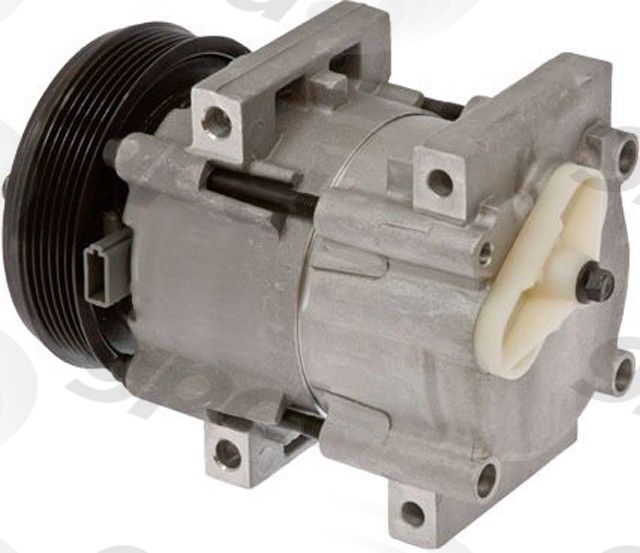
Compressor Type: Ford FS10 (common), Refrigerant: R-134a, Oil Type: PAG 46
We Have This Part in Stock

The information in this article is provided for general reference and educational purposes only. Vehicle specifications, procedures, and part compatibility can vary by production date, trim level, and region. Always consult your vehicle's factory service manual and verify part numbers before purchasing or performing repairs. Safety-critical components such as airbags, seat belts, and braking systems should be installed by a qualified professional.
- Mercury Mountaineer: