

BMW 320i (1997-2006) Engine Coolant Temperature Sensor Guide
If your E46 320i is overheating or the cooling fan is acting strange, a faulty coolant temperature sensor could be the problem.
- This guide is for the easy-to-replace sensor in the lower radiator hose, which mainly controls the cooling fan.
- A bad sensor can cause overheating, so address symptoms like a high temperature gauge or a constantly running fan immediately.
- For a reliable repair, choose a premium aftermarket brand like NGK or Vemo; avoid the cheapest options if possible.
- While replacing the sensor, inspect the lower radiator hose and consider replacing it if it's old to prevent future leaks.
Is Your BMW 320i Overheating or Running Rough?
A small, inexpensive sensor in your cooling system can cause big problems when it fails. The engine coolant temperature sensor (ECT) in the lower radiator hose is a critical part for managing your engine's temperature. When it goes bad, it can leave you stranded with an overheating engine or cause other confusing symptoms. Understanding these signs and knowing how to choose the right replacement part can save you time and money.
Symptoms of a Failing Coolant Temperature Sensor
A bad coolant temperature sensor can trick your engine's computer. Here are the most common signs of failure:
- Engine Overheating: The most serious symptom. If the sensor doesn't tell the computer the engine is getting hot, the electric cooling fan won't turn on or won't spin fast enough, causing the engine to overheat, especially in stop-and-go traffic.
- Cooling Fan Runs All The Time: As a fail-safe measure, the engine's computer may run the cooling fan at full speed constantly if it receives a bad or missing signal from the sensor.
- Check Engine Light: A failing sensor will almost always trigger a Check Engine Light and store fault codes like P0116, P0117, or P0118.
- Poor Fuel Economy: If the sensor incorrectly tells the computer the engine is cold, the computer will enrich the fuel mixture, wasting gas.
- Coolant Leaks: The rubber O-ring on the sensor can degrade over time, causing a coolant leak from the lower radiator hose where the sensor is installed.
Choosing the Right Aftermarket Sensor
For a critical component on a BMW, part quality matters. While an OEM sensor from a dealer is always an option, many high-quality aftermarket brands provide reliable performance. Here’s a breakdown of the available brands.
Tier 1: Premium Aftermarket & OEM Suppliers
These brands are known for their quality and are often original equipment suppliers to automakers. They are the safest bet outside of buying a part directly from a BMW dealer.
- NGK: A top-tier brand known for excellence in engine management and ignition components.
- Vemo: Often considered a reliable aftermarket choice for German vehicles, with good feedback from owners.
Tier 2: Reputable Aftermarket Brands
These are established brands with a long history of producing reliable replacement parts. They offer a good balance of quality and price.
- Standard Ignition (SMP): A major player in the aftermarket, producing a wide range of reliable sensors.
- Holstein: Generally receives positive feedback for fitment and value.
- Motorad: A well-known manufacturer of cooling system components.
Tier 3: Budget-Friendly Options
These brands can be a cost-effective solution, but quality can sometimes be inconsistent. They may be suitable for a quick repair, but long-term reliability can be a concern for some owners.
- URO Parts: This brand has a mixed reputation. While some simple metal parts are fine, their electronic components are sometimes questioned by the BMW community.
- Four Seasons / Global Parts / True Tech: These brands fall into the standard budget category.
Pro Tip: Check the O-Ring and Hose
Sometimes the sensor itself is fine, but the small rubber O-ring has failed, causing a leak. However, given the low cost of the sensor, it's usually best to replace the entire unit. Also, if your lower radiator hose is old and hardened, a new sensor may not seal properly. Consider replacing the hose at the same time for a leak-free repair.
Known Issues, Recalls, or TSBs
Searches of the National Highway Traffic Safety Administration (NHTSA) database and other technical resources show no specific recalls or Technical Service Bulletins (TSBs) for the engine coolant temperature sensor on the 1997-2006 BMW 320i. While other cooling system components on different BMW models have been subject to recalls, this specific sensor has not.
Frequently Asked Questions (FAQ)
Where is the coolant temperature sensor located on my 1997-2006 BMW 320i?
Your E46 320i has two sensors. The one this guide focuses on is located in the lower radiator hose, on the passenger side of the engine bay. It is held in by a clip and is easy to access from above or below the car. A second, more complex sensor is located on the engine's cylinder head, underneath the intake manifold.
Can I replace this sensor myself?
Yes, replacing the sensor in the lower radiator hose is a very DIY-friendly job. It typically takes less than an hour with basic tools. You will need to let the engine cool down completely, unclip the electrical connector, and pull the old sensor out. Be prepared for a small amount of coolant to spill. After installing the new sensor, you will need to top off the coolant and bleed any air from the system.
What happens if I don't replace a bad sensor?
Ignoring a bad coolant temperature sensor is risky. The most severe consequence is engine overheating, which can lead to catastrophic engine damage like a warped cylinder head or blown head gasket. Even if it doesn't overheat, you will likely experience poor fuel economy, failed emissions tests, and rough engine performance.
Is an aftermarket sensor okay for my BMW?
For this specific sensor, a high-quality aftermarket part is generally acceptable. Many owners have success with brands like NGK, Vemo, or Standard Ignition. While some purists insist on OEM for all electronics, the risk with this particular part is lower than with more complex sensors like camshaft or crankshaft position sensors. It is often best to avoid the lowest-priced budget brands to ensure reliability.
Technical Specifications
OEM Part Numbers: 13621433076
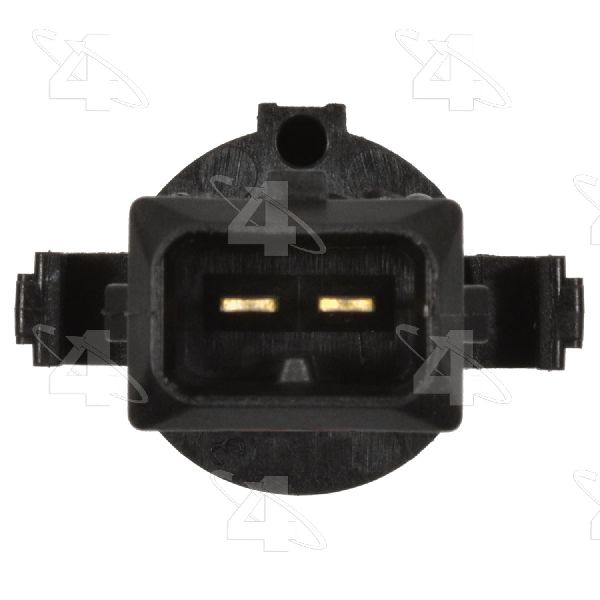
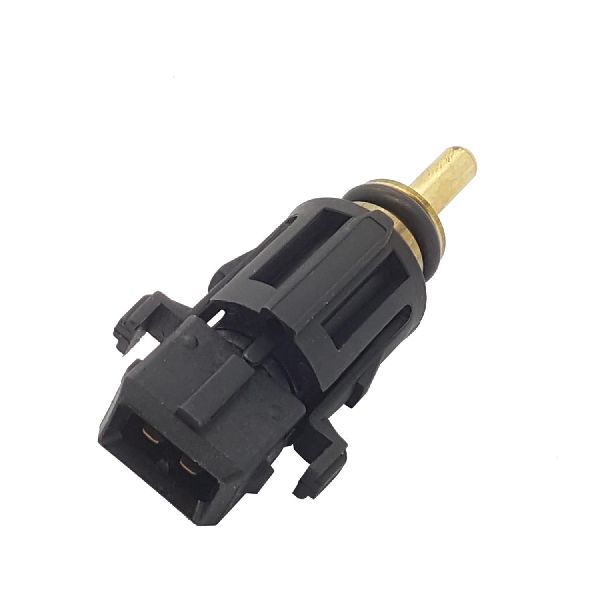
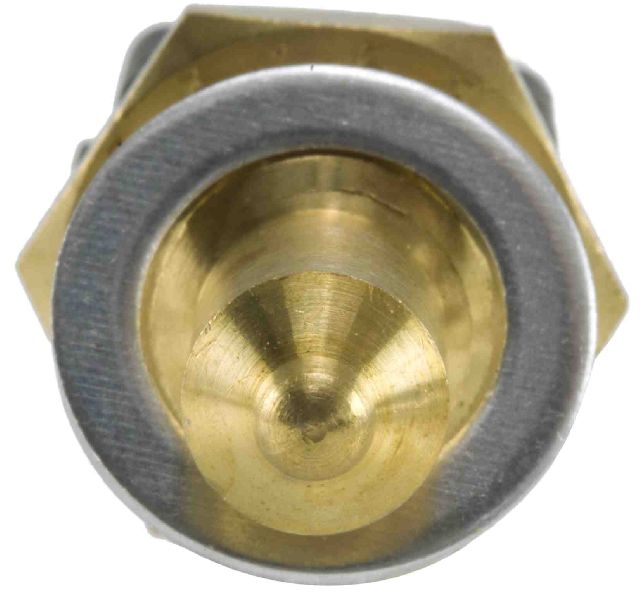
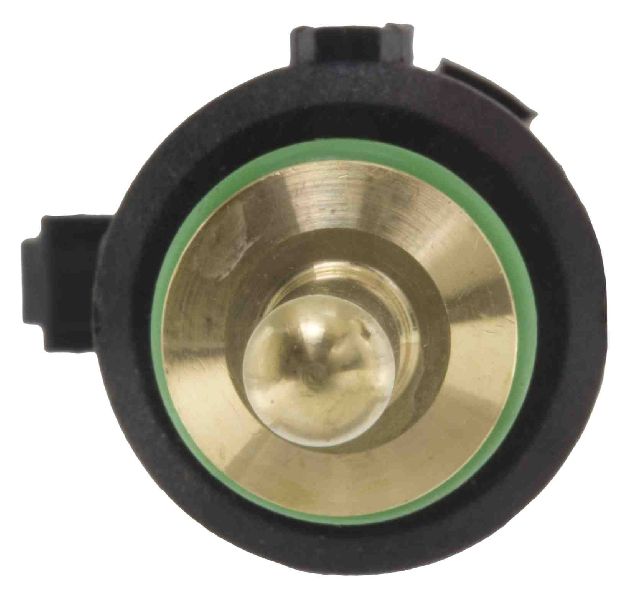
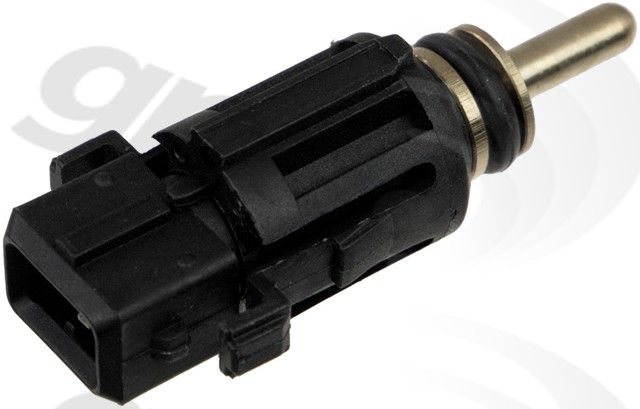
This sensor is for the lower radiator hose. It has a 2-pin plug-in connector and is secured by a clip. It includes a rubber O-ring for sealing.
We Have This Part in Stock


The information in this article is provided for general reference and educational purposes only. Vehicle specifications, procedures, and part compatibility can vary by production date, trim level, and region. Always consult your vehicle's factory service manual and verify part numbers before purchasing or performing repairs. Safety-critical components such as airbags, seat belts, and braking systems should be installed by a qualified professional.
- BMW 320i:
- 🛍️ Shop This Part
- Is Your BMW 320i Overheating or Running Rough?
- Symptoms of a Failing Coolant Temperature Sensor
- Choosing the Right Aftermarket Sensor
- Tier 1: Premium Aftermarket & OEM Suppliers
- Tier 2: Reputable Aftermarket Brands
- Tier 3: Budget-Friendly Options
- Pro Tip: Check the O-Ring and Hose
- Known Issues, Recalls, or TSBs
- Frequently Asked Questions (FAQ)
- 🎟️ Get 5% Off