

Ford Expedition A/C Hose Assembly Guide for 1997-2006 Models
Is your Expedition's A/C blowing warm? A leaking hose assembly is the most likely reason.
- A leaking A/C hose is the most common cause of A/C failure on a 1997-2006 Expedition.
- You must verify if your truck has rear A/C before ordering, as the parts are different.
- Quality aftermarket brands offer a reliable, cost-effective alternative to expensive OEM parts for this repair.
- Replacement is not a DIY job; the system must be professionally evacuated and recharged.
Symptoms of a Failing A/C Hose
The most common problem with the A/C system in the 1997-2006 Ford Expedition is a refrigerant leak, and the hoses are often the source. Here’s what to look for:
- Warm Air from Vents: This is the most obvious sign. If the refrigerant has leaked out, the system can't cool the air.
- Visible Leaks or Oily Residue: Refrigerant oil can escape with the refrigerant, leaving a greasy film on the A/C hoses or their connections. You might see this oily, sometimes fluorescent green (if dye was added) substance on the hoses near the A/C compressor or along the lines running to the rear of the vehicle on models with rear A/C.
- Hissing Sounds: A hissing noise from the engine bay or dash could be refrigerant escaping from a small crack in a hose.
- Compressor Clutch Cycles Rapidly: You may hear the A/C compressor clicking on and off every few seconds. This happens when the system is low on refrigerant, causing pressure switches to constantly cycle the compressor.
Choosing the Right Aftermarket A/C Hose
For a vehicle like the 1997-2006 Expedition, a quality aftermarket A/C hose is a smart and budget-friendly choice. Original hoses fail due to age, and modern aftermarket parts often meet or exceed the original factory specifications.
OEM vs. Aftermarket Quality
OEM (Original Equipment Manufacturer): These are the parts your Expedition was built with. While they guarantee a perfect fit, they are the most expensive option. For an older truck, the cost may not be justified.
Premium Aftermarket: Brands like Four Seasons or Denso have a strong reputation and are often considered equivalent to OEM quality. They focus on durability and proper fitment. Some aftermarket brands may even use improved materials compared to the originals.
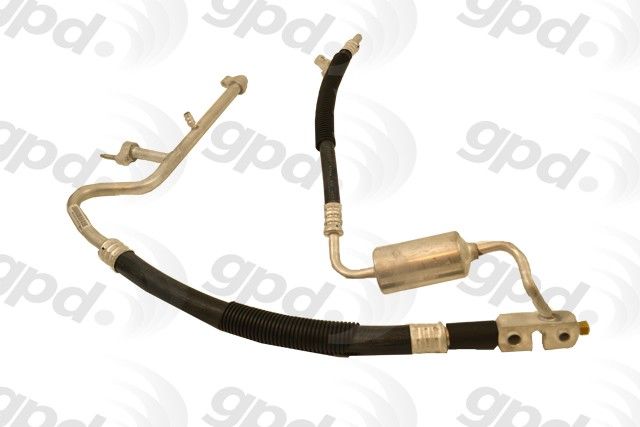
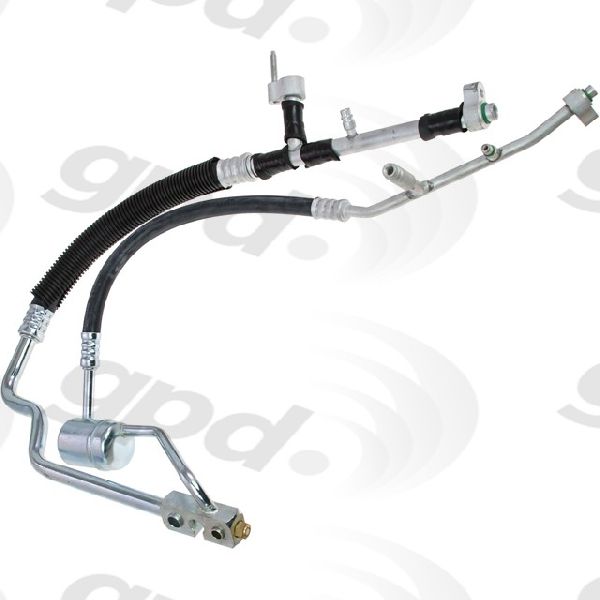
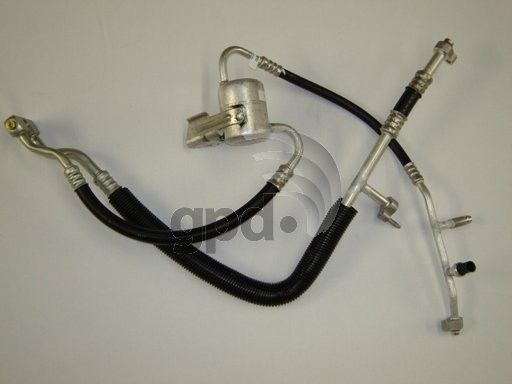
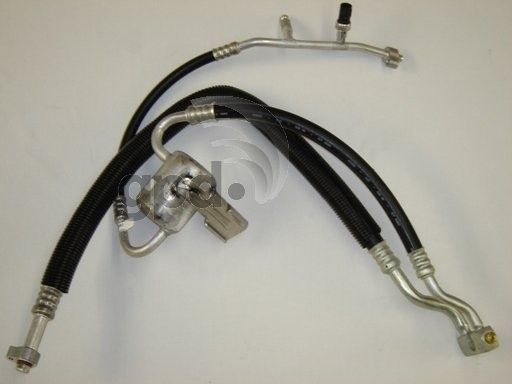
Standard Aftermarket (like Global Parts Distributors - GPD): This category offers a balance of cost and quality. Brands like Global Parts (GPD) design their hoses to match the original's fit and function and perform durability testing. While many users have success with these parts, the quality can sometimes be more variable than premium brands. They represent a good value for most repairs.
Pro Tip: Check for Rear A/C
Before ordering, you must confirm if your Expedition has the optional rear air conditioning system. The hose assemblies for trucks with rear A/C are different and much longer. Check for a separate set of climate controls in the rear passenger area. Ordering the wrong part is a common and frustrating mistake.
Estimated Replacement Costs
The total cost depends on the part you choose and your local shop's labor rates. The most significant labor cost is not just swapping the hose, but properly evacuating and recharging the A/C system with refrigerant, which requires specialized equipment.
| Part/Service | Estimated Cost |
|---|---|
| New Aftermarket A/C Hose Assembly | $81 - $116 |
| Shop Labor (Hose Replacement + Evacuate & Recharge) | $250 - $450 |
| Total Estimated Cost | $331 - $566 |
Cost estimates are for front A/C hose assemblies and can vary based on your location and specific vehicle configuration. Rear A/C line replacement will be more expensive.
Important: Professional Service Required
Replacing an A/C hose is not a simple DIY job. It is illegal and harmful to the environment to release refrigerant into the atmosphere. A professional shop must use a recovery machine to evacuate the old refrigerant before replacing the hose and then use a vacuum pump and gauges to properly recharge the system afterward.
Frequently Asked Questions
Can I replace just the leaky rubber part of the hose?
No, this is not recommended. The hoses are sold as complete assemblies with permanently crimped fittings. If one section has failed due to age, the rest of the hose is likely weak as well. Attempting to patch it will likely lead to another leak soon.
Are there any recalls for the A/C hoses on my Expedition?
No, there are no specific recalls or Technical Service Bulletins (TSBs) from Ford or the NHTSA for A/C hose assembly failures on the 1997-2006 Ford Expedition. Recalls for other A/C components exist for much newer models but do not apply to this generation.
My rear A/C lines are leaking. Are they hard to replace?
Yes, the lines running to the rear unit are long and routed along the vehicle's frame. They are known to rub against brackets and corrode, causing leaks. Replacing them is more labor-intensive and therefore more expensive than replacing a front hose assembly.
Should I replace any other parts at the same time?
Anytime the A/C system is opened for repair, it is best practice to also replace the A/C accumulator (also called a receiver/drier). This part contains a desiccant that absorbs moisture from the refrigerant. Once exposed to outside air, it becomes saturated and can no longer protect your A/C system from corrosion. It is a cheap part that provides critical insurance for the expensive components like the compressor.
Technical Specifications
OEM Part Numbers: F75Z19D850AN 9L1Z-19867-A 9L1Z-19A834-A 9L1Z-19A834-B
Hose assemblies consist of rubber sections crimped to aluminum tubes with specific fittings for the compressor, condenser, and evaporator connections. All hoses for this generation use R134a refrigerant.
We Have This Part in Stock

The information in this article is provided for general reference and educational purposes only. Vehicle specifications, procedures, and part compatibility can vary by production date, trim level, and region. Always consult your vehicle's factory service manual and verify part numbers before purchasing or performing repairs. Safety-critical components such as airbags, seat belts, and braking systems should be installed by a qualified professional.
- Ford Expedition: