

Ford Lobo Engine Oil Pressure Switch Guide for 1997-2006 Models
Understand the signs of a failing oil pressure switch and how to choose the right replacement for your truck.
- A bad oil pressure switch is the most likely cause of a low oil pressure warning if the engine sounds normal and the oil level is correct.
- Symptoms include a gauge reading zero, a flickering light, or a visible oil leak from the sensor itself near the oil filter.
- Replacement is simple, requiring only basic tools, and can be done in under 30 minutes.
- A quality aftermarket brand like Standard Ignition is a reliable, cost-effective alternative to a more expensive OEM part for this component.
Understanding the Ford Lobo and F-150 Connection
The Ford Lobo, sold in the Mexican market, is mechanically identical to the North American Ford F-150 for the 1997-2006 model years. This means that parts like the engine oil pressure switch are interchangeable. Information and parts listed for the 1997-2006 Ford F-150 with the same engine (4.2L V6, 4.6L V8, or 5.4L V8) will also apply to your Lobo.
Symptoms of a Failing Oil Pressure Switch
A bad oil pressure switch can create confusing and alarming situations. Because its job is to warn you of a serious problem, it's important to know if the switch itself is the issue. Here are the most common signs of failure:
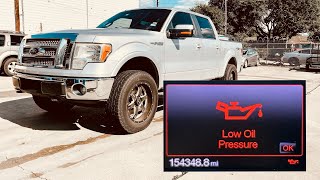
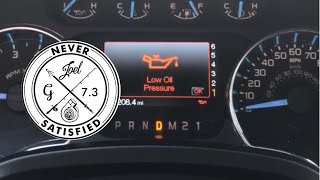
- Oil Pressure Light On or Gauge Reads Zero: The most common symptom is an illuminated oil pressure warning light or a gauge that suddenly drops to zero, especially when the engine is at idle and warmed up. If you check the oil level and it's correct, and the engine isn't making any loud ticking or knocking noises, the switch is the likely culprit.
- Flickering or Erratic Gauge: The oil pressure gauge may flicker or jump between a normal reading and zero. This can happen as the internal diaphragm of the switch begins to fail.
- Visible Oil Leak: The switch itself can develop a leak. Oil may seep through the body of the sensor or its electrical connector. You might notice oil drips on the ground below the driver's side of the engine.
Is It the Switch or the Oil Pump?
A low oil pressure warning is the most serious warning your engine can give. If the light comes on and is accompanied by loud ticking, clattering, or knocking sounds from the engine, pull over and shut off the engine immediately. This indicates a true loss of oil pressure, and continuing to drive can destroy the engine. If there are no unusual engine noises and the oil level is full, it is much more likely that the switch has failed.
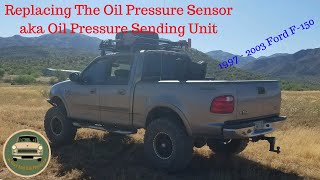
🎬 See how to diagnose a false low oil pressure warning.Choosing the Right Aftermarket Part
When replacing the oil pressure switch, you have a choice between an OEM (Original Equipment Manufacturer) part from Ford and an aftermarket part. For a simple component like this switch, a quality aftermarket brand can be a reliable and cost-effective option.
- OEM (Motorcraft): This is the part your truck was built with. It guarantees perfect fit and function but comes at a higher price. Some mechanics suggest that for certain Ford models, only the Motorcraft sensor works correctly due to specific pressure sensitivities.
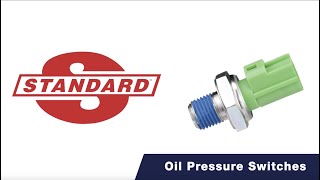
- Aftermarket (Standard Ignition): Standard Ignition is a well-known aftermarket manufacturer that has been producing parts for over 100 years. Their oil pressure switches are designed to meet or exceed OEM specifications and are 100% tested for accuracy and durability. 🎬 Learn more about how these aftermarket switches are manufactured. For a 1997-2006 Lobo, a Standard Ignition switch is a dependable replacement that offers significant savings over the OEM part.
Check the Connector
Sometimes, the problem isn't the switch but the electrical connector. Oil can leak into the connector, causing a bad reading. Before replacing the switch, unplug the connector and clean it thoroughly with electrical contact cleaner. If the connector is full of oil, the old switch has definitely failed and needs replacement.
Installation Overview
Replacing the oil pressure switch is a straightforward job that most DIYers can handle.
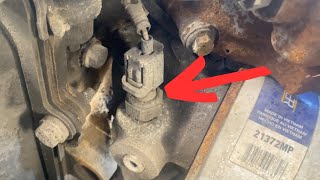
- Location: The switch is located on the driver's side of the engine block, near the oil filter housing. 🎬 Watch this step-by-step guide on replacing the sensor.
- Tools: You will typically need a 21mm or 1-1/16" deep socket or a special oil pressure switch socket, a ratchet, and an extension.
- Process: Simply unplug the electrical connector, use the socket to unscrew the old switch, and screw the new one in. A small amount of oil will leak out, so have a rag ready. New switches often come with thread sealant pre-applied. Tighten until snug, but do not overtighten. Reconnect the electrical harness.
Known Issues, Recalls, and TSBs
For the 1997-2006 Ford F-150/Lobo, there are no specific recalls or widespread Technical Service Bulletins (TSBs) directly for a faulty engine oil pressure switch. However, forum discussions among owners confirm that switch failure from leaking or false readings is a common issue as these trucks age. Later model year F-150s have had recalls and TSBs for oil pressure issues, but these are related to different engine designs and components not found on the 1997-2006 generation.
Cost Comparison Table
| Part Type | Price Range |
|---|---|
| New OEM (Motorcraft) | $26 - $120 |
| New Aftermarket (Standard Ignition) | $31.78 |
| Shop Labor | $50 - $100 |
Frequently Asked Questions (FAQ)
Can I drive my Lobo with a bad oil pressure switch?
You can, but it is risky. A bad switch cannot warn you if you have a real and dangerous loss of oil pressure. It is best to replace the faulty switch as soon as possible to ensure your engine is protected.
What does the code P0522 mean?
P0522 means the engine's computer has detected a continuously low voltage signal from the oil pressure switch circuit. This usually points to a faulty switch, a wiring issue, or, in a worst-case scenario, actual low oil pressure.
Do I need Teflon tape on the new switch?
Most new aftermarket and OEM switches come with a thread sealant already applied to the threads. If yours does not, it is a good idea to apply a few wraps of Teflon tape to ensure a leak-free seal.
Why does my gauge go to normal after I restart the engine?
This is a classic symptom of a failing switch. When cold, the switch might work, but as the engine warms up and oil thins, the faulty switch can no longer properly detect the pressure, causing it to send a false low-pressure signal at idle. Restarting the engine can sometimes temporarily reset its reading.
Helpful Videos
Technical Specifications
OEM Part Numbers: 6U5Z-9278-E GC3Z-9278-B 6U5Z-9278-D F8AZ-9278-DA 1U5Z-9278-DA
Location: Driver's side of engine block, near oil filter housing. Socket Size: 21mm or 1-1/16 inch.
We Have This Part in Stock


The information in this article is provided for general reference and educational purposes only. Vehicle specifications, procedures, and part compatibility can vary by production date, trim level, and region. Always consult your vehicle's factory service manual and verify part numbers before purchasing or performing repairs. Safety-critical components such as airbags, seat belts, and braking systems should be installed by a qualified professional.
- Ford Lobo:
- 🎬 Helpful Videos
- 🛍️ Shop This Part
- Understanding the Ford Lobo and F-150 Connection
- Symptoms of a Failing Oil Pressure Switch
- Is It the Switch or the Oil Pump?
- Choosing the Right Aftermarket Part
- Check the Connector
- Installation Overview
- Known Issues, Recalls, and TSBs
- Cost Comparison Table
- Frequently Asked Questions (FAQ)
- 🎟️ Get 5% Off