

Honda CR-V Alternator Guide: 1997-2006 Replacement Advice
Everything you need to know before buying a new alternator for your first or second generation Honda CR-V.
- A battery light, dimming headlights, and whining noises are classic signs of alternator failure on a CR-V.
- Hondas are sensitive to electrical parts; strongly consider a new or remanufactured Denso (OEM) or Bosch unit to avoid issues.
- Replacement is difficult due to tight access; it is a challenging job for a novice DIYer.
- Before replacing the alternator, have the entire charging system tested, as a bad battery or faulty wiring can show similar symptoms.
Is Your CR-V's Alternator Failing?

An alternator failure can leave you stranded. When it stops working, your CR-V runs solely on battery power, which only lasts for a short time. Recognizing the early warning signs can help you avoid a sudden breakdown.
Common Symptoms of a Bad Alternator
- Battery Warning Light: The most common sign is the battery-shaped icon lighting up on your dashboard.
- Dim or Flickering Lights: Headlights and interior lights may dim, especially at idle, and brighten when you rev the engine.
- Slow or Malfunctioning Electronics: You might notice power windows moving slowly, or the radio acting strange.
- Whining or Grinding Noises: A high-pitched whine or a grinding sound from the engine bay that changes with engine speed often points to failing alternator bearings.
- Dead Battery: If the alternator isn't recharging the battery, you'll find yourself needing frequent jump-starts. Eventually, the car will stall while driving once the battery is depleted.
Could It Be Something Else?
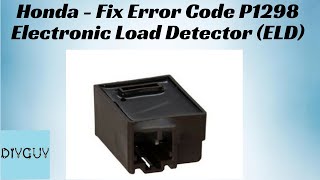
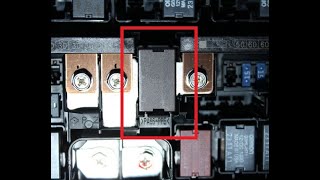
Sometimes, other issues can mimic a bad alternator. On 1997-2006 CR-Vs, a faulty Electronic Load Detector (ELD) located in the under-hood fuse box can cause charging problems and trigger a P1298 trouble code. 🎬 See how to fix the P1298 Electronic Load Detector A frayed wiring harness can also cause similar electrical issues. Always test the full charging system before replacing parts.
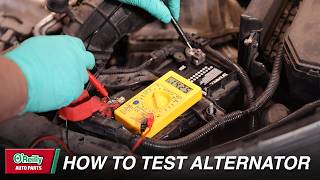
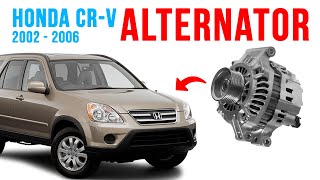
🎬 Watch: How to diagnose your alternator and batteryChoosing the Right Aftermarket Alternator

When it comes to alternators for this generation of CR-V, not all aftermarket parts are created equal. Hondas can be sensitive to the quality of electrical components. The original equipment manufacturer (OEM) for Honda is Denso.
Brand Quality Tiers
Tier 1: OEM or New OEM-Quality (Bosch, Denso)
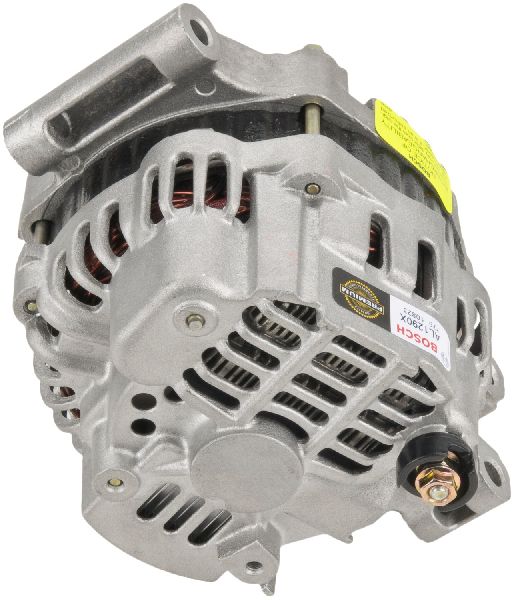
Your most reliable option is a brand-new alternator from Denso, the original supplier. A new unit from Bosch is also a high-quality choice. These parts are built to the exact specifications of your vehicle, ensuring proper voltage regulation and a long service life. They cost more, but they offer peace of mind.
Tier 2: Quality Remanufactured or Reputable New (Remy, MPA/Quality-Built)
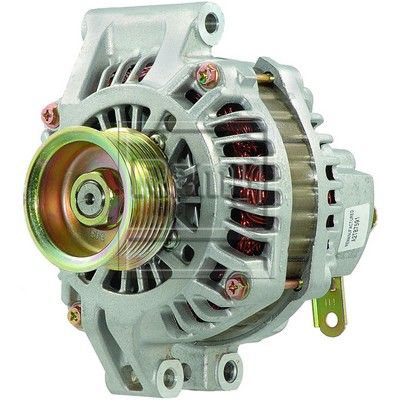
A remanufactured alternator from Denso or Bosch is a good middle-ground. These units have been rebuilt and tested to meet factory standards. Brands like Remy and MPA (Motorcar Parts of America) also offer new alternators that are generally considered reliable and a good value. However, the quality of remanufactured parts can sometimes be inconsistent.
Tier 3: Budget Brands (WAI Global, Store Brands)
While the low price is tempting, budget-friendly alternators have a reputation for higher failure rates. Owners frequently report issues like the battery light remaining on even after installation, or the part failing within a few months. These can be a gamble and may cost you more in the long run if you have to do the job twice.
Pro Tip: Many owners on forums recommend spending a little extra for a Denso unit (new or remanufactured) to avoid the frustration of a faulty aftermarket part. The labor to replace the alternator is difficult enough that you only want to do it once.
Honda CR-V Alternator Replacement Cost

The cost depends heavily on the brand of alternator you choose and whether you do the work yourself.
| Part / Service | Estimated Cost |
|---|---|
| New Aftermarket Alternator | $121 - $256 |
| New OEM (Denso) Alternator | $500 - $800+ |
| Shop Labor | $180 - $270 |
| Total Professional Replacement (Aftermarket Part) | $300 - $530 |
| Total Professional Replacement (OEM Part) | $680 - $1,070+ |
Frequently Asked Questions

How difficult is it to replace the alternator on a 1997-2006 CR-V?
This is not a beginner-friendly job. The alternator is buried deep in the engine bay, and access is very tight. The process often requires removing the power steering pump and belt tensioner. Some mechanics even remove the radiator fan or intake manifold to create enough space to get the old unit out and the new one in. For an experienced DIYer, it can take 2-3 hours.
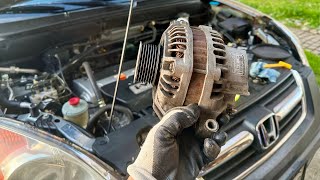
🎬 Watch this step-by-step 2nd Gen alternator replacement guideWhy is my battery light still on after installing a new alternator?
This is a common problem with cheaper aftermarket alternators. The voltage regulator in the new unit may not be communicating correctly with your CR-V's computer. Other causes could be a bad connection, a blown fuse, or a separate issue with the wiring harness or Electronic Load Detector (ELD).
What's the difference between a new and a remanufactured alternator?
A new alternator is made with all-new components. A remanufactured (or rebuilt) alternator has been disassembled, cleaned, and had its worn or failed components replaced before being tested. A quality remanufactured unit from a top brand like Denso or Bosch can be a reliable, cost-effective option.
Do I need a different alternator for the 1st Gen (1997-2001) vs 2nd Gen (2002-2006) CR-V?
Yes, the parts are different. The 1st generation CR-V uses a B20 engine and the 2nd generation uses a K24 engine. They have different mounting points and electrical connectors. You must order the correct alternator for your specific year and engine.
Helpful Videos

Technical Specifications
OEM Part Numbers: 31100-P3F-003 31100-P3F-A01 31100-PPA-A01 31100-PPA-A02
Standard output for these models is typically between 80 and 105 amps, depending on the year and trim level. The alternator is controlled by the vehicle's ECU via an Electronic Load Detector (ELD) on some models.
We Have This Part in Stock
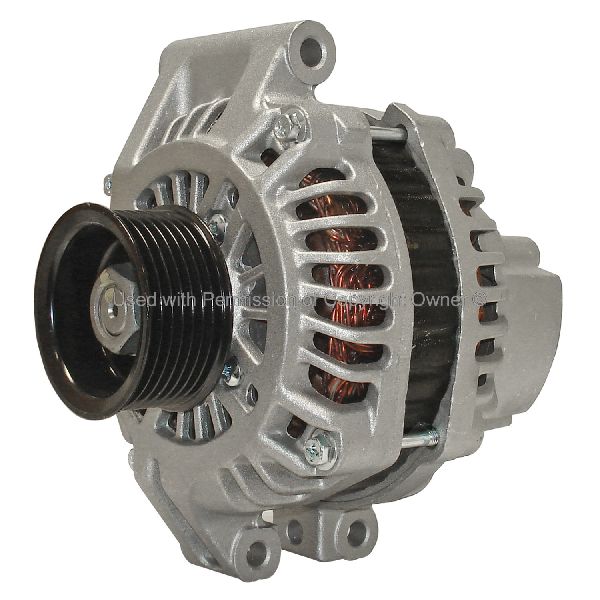
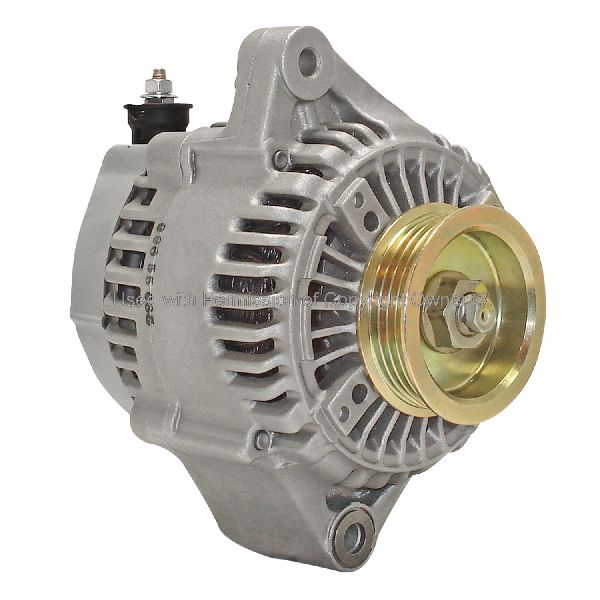
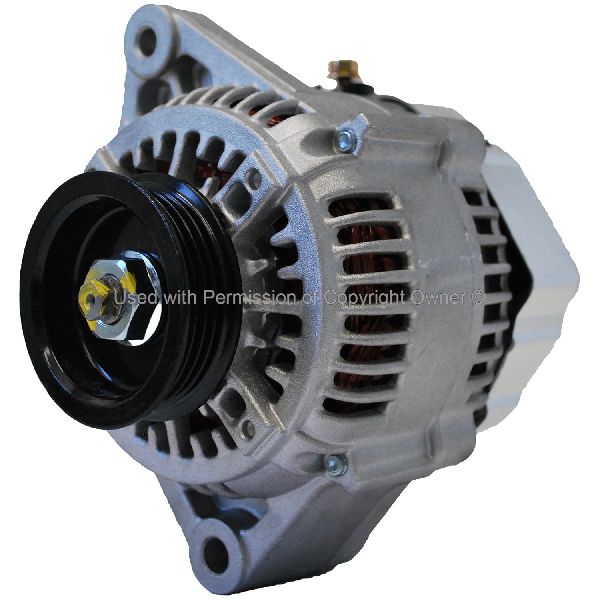
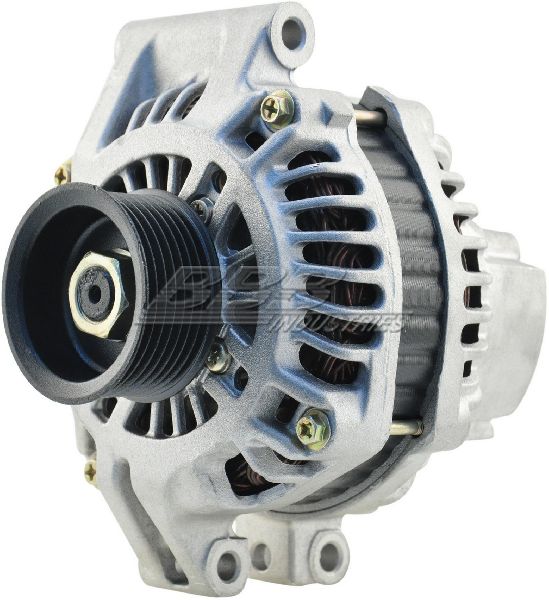

The information in this article is provided for general reference and educational purposes only. Vehicle specifications, procedures, and part compatibility can vary by production date, trim level, and region. Always consult your vehicle's factory service manual and verify part numbers before purchasing or performing repairs. Safety-critical components such as airbags, seat belts, and braking systems should be installed by a qualified professional.
- Honda CR-V: