

A Guide to Spark Plug Wire Sets for the 1997-2006 Jeep TJ Wrangler
Get your Wrangler's engine firing right by choosing the correct wires for your specific engine.
- First, confirm your TJ engine has spark plug wires; 2001-2006 4.0L models do not.
- Always replace wires one at a time to prevent mixing up the engine's firing order.
- It is best practice to replace your spark plugs at the same time as the wires for a complete tune-up.
- For off-road or high-heat use, consider upgrading from standard 7mm wires to thicker 8mm wires for better durability.
Which Jeep TJ Engines Use Spark Plug Wires?

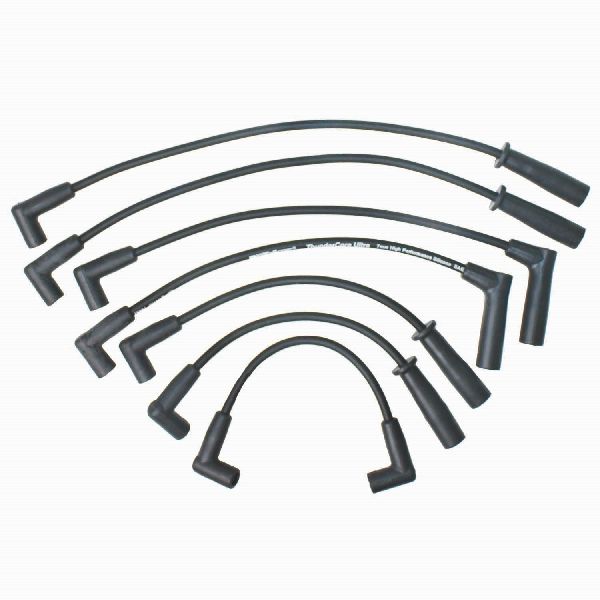
- 4.0L 6-Cylinder (1997-2000): These models have a distributor and use a traditional 7-wire set (6 for cylinders, 1 for the coil). 🎬 Watch: A helpful walkthrough for replacing your Jeep's distributor.
- 4.0L 6-Cylinder (2001-2006): These models have a 'coil rail' ignition system and do NOT use spark plug wires. 🎬 See how to change plugs on models with a coil rail. If you have this engine, you do not need to buy this part.
- 2.5L 4-Cylinder (1997-2002): These models use a 5-wire set.
- 2.4L 4-Cylinder (2003-2006): These models use a 4-wire set.
Symptoms of Failing Spark Plug Wires

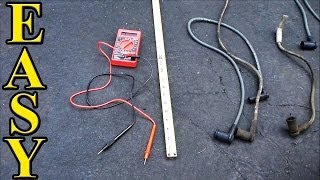
When spark plug wires wear out, the insulation breaks down, letting the electrical energy escape. 🎬 Watch this guide to learn how to test your wires. This is called 'arcing.' It prevents a strong spark from reaching the spark plug, leading to noticeable engine problems. You might experience one or more of the following issues:
- Rough Idle: The engine may shake or vibrate more than usual when stopped.
- Engine Misfires: You may feel a stumble or hesitation from the engine, especially under load. This can trigger the Check Engine Light, often with codes like P0300 (Random Misfire) or P0301-P0306 (for specific cylinders).
- Poor Acceleration: The Jeep may feel sluggish or down on power.
- Decreased Fuel Economy: Inefficient combustion means you'll be stopping for gas more often.
- Difficulty Starting: A weak spark can make it harder for the engine to fire up.
Choosing the Right Aftermarket Wires

You don't need to spend a fortune, but you generally get what you pay for. For a daily driver, a quality OE-style replacement is perfectly fine. For Jeeps that see heavy off-road use or have performance modifications, a premium or heavy-duty set is a good investment.
Brand Quality Tiers
Based on owner feedback and brand reputation, here's how the available brands generally stack up for the Jeep TJ:
- Premium & Performance (Mopar, NGK, MSD, Granatelli, Taylor): Mopar is the factory part and a guaranteed fit and quality. NGK is a highly-respected favorite among TJ owners for its reliability. Brands like MSD, Granatelli, and Taylor Cable offer thicker, 8mm (or larger) wires that provide better insulation and durability, making them a popular upgrade for performance and off-road use.
- Standard OE-Quality (ACDelco, Standard Wires, Prenco): These are solid, reliable brands that meet or exceed original equipment specifications. They are a dependable choice for a daily-driven TJ without breaking the bank.
- Budget-Friendly (Crown, Omix-Ada, Walker Products): Brands like Crown and Omix-Ada specialize in Jeep replacement parts and offer an affordable way to get your TJ back on the road. They are a good value for stock vehicles under normal driving conditions.
Known Issues

TSB for Cylinder #3 Misfire: Technical Service Bulletin 18-031-03 was issued for 2000-2004 4.0L models experiencing a rough idle and a cylinder #3 misfire (code P0303) after the engine gets hot. This is caused by heat from the intake manifold vaporizing fuel in the #3 injector. While the primary fix is a fuel injector insulator, the TSB also references an 'Ignition Wire Shield,' indicating that excessive heat in this area can affect ignition components. If you have this specific issue, ensuring your wires are in good condition and properly routed away from heat sources is crucial.
| Tier | Price Range | Best For |
|---|---|---|
| Budget-Friendly | $23 - $50 | Stock daily drivers |
| Standard OE-Quality | $50 - $90 | Reliable, long-term replacement |
| Premium & Performance | $90 - $219 | Modified Jeeps, off-road use, maximum durability |
Frequently Asked Questions (FAQ)
Do I need special tools to replace my spark plug wires?
No, typically you don't need special tools. A pair of spark plug wire pliers can be helpful to remove stubborn boots without damaging them, but it's not required. The most important thing is to replace the wires one at a time to avoid mixing up the firing order.
Should I use dielectric grease?
Yes. Applying a small amount of dielectric grease to the inside of each boot is highly recommended. It makes the boots easier to remove in the future, helps seal out moisture, and prevents corrosion.
What's the difference between 7mm and 8mm wires?
The measurement refers to the diameter of the wire. A thicker wire, like 8mm or 8.5mm, has more insulation. This provides better protection against heat and reduces the chance of the spark arcing to the engine block, which is especially beneficial in the tight, hot engine bay of a Jeep. For most stock applications, a quality 7mm wire is sufficient, but an 8mm wire is a common and worthwhile upgrade.
How often should I replace my spark plug wires?
There is no strict replacement schedule, but they are a maintenance item. A general guideline is every 60,000 to 100,000 miles, or whenever you are replacing your spark plugs. You should inspect them regularly for any signs of cracking, melting, or physical damage and replace them if any damage is found.
Helpful Videos
Technical Specifications
OEM Part Numbers: 83507178
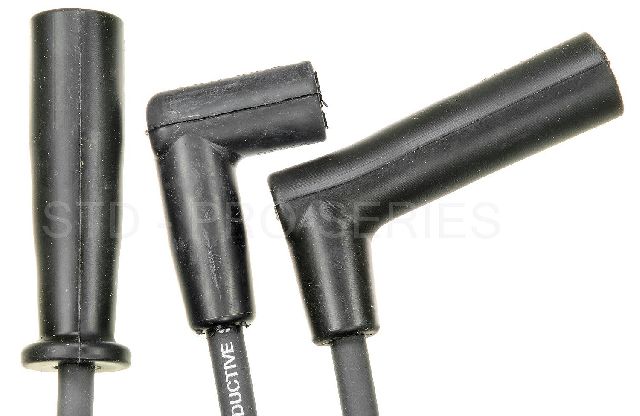
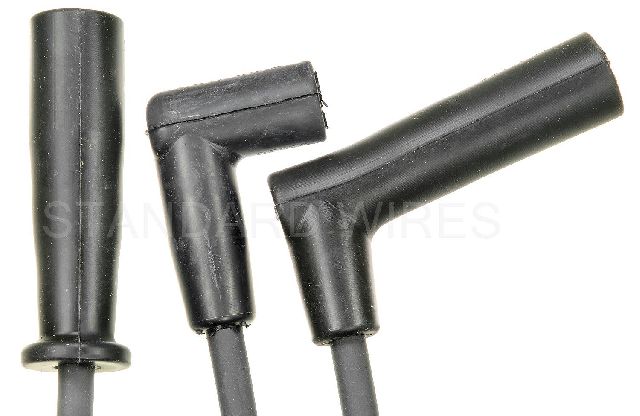
Engine compatibility is critical. For 1997-2000 4.0L engines, a 7-wire set is needed. For 2.5L engines, a 5-wire set is needed. For 2.4L engines, a 4-wire set is needed. Wires typically feature a silicone jacket for heat resistance and a wire-wound or spiral core to suppress radio frequency interference (RFI). Common diameters are 7mm (OE standard) and 8mm (performance upgrade).
We Have This Part in Stock

The information in this article is provided for general reference and educational purposes only. Vehicle specifications, procedures, and part compatibility can vary by production date, trim level, and region. Always consult your vehicle's factory service manual and verify part numbers before purchasing or performing repairs. Safety-critical components such as airbags, seat belts, and braking systems should be installed by a qualified professional.
- Jeep TJ: