

A Guide to Aftermarket Disc Brake Pads for the 1997-2006 Mazda MPV
Choosing the correct brake pads for your MPV is simple once you know which generation you have.
- You must verify if your MPV is a 1997-1998 (Gen 1) or 2000-2006 (Gen 2) model before ordering, as the parts are different.
- For most owners, an OEM-equivalent ceramic pad from a brand like Akebono, Bosch, or Wagner provides the best balance of performance, quiet operation, and value.
- If you hear grinding noises, stop driving immediately. You are likely damaging your brake rotors, leading to a more expensive repair.
- Always inspect your brake rotors when changing pads and plan to replace them for the best performance and safety.
A Tale of Two MPVs: Know Your Generation
CRITICAL ORDERING INFORMATION: The 1997-2006 Mazda MPV spans two completely different vehicle generations. Brake parts are NOT interchangeable between them. Before you order, you must identify your specific model:
- First Generation (LV): 1997-1998 models. These are rear-wheel drive (RWD) based vans.
- Second Generation (LW): 2000-2006 models. These are front-wheel drive (FWD) based vans and were a total redesign.
The year 1999 was a transition year and did not have an MPV model in North America. Always use your vehicle's VIN to confirm fitment, but knowing your generation is the first and most important step.
Symptoms of Worn Brake Pads
Your MPV will tell you when its brake pads are getting low. Ignoring these signs can lead to more expensive repairs, like needing to replace the brake rotors.
- High-Pitched Squealing: Most brake pads have a small metal tab called a wear indicator. When the pad material gets low, this tab scrapes against the rotor and makes a loud squeal when you brake. This is the earliest warning sign.
- Grinding Noises: If you hear a harsh, metallic grinding sound, it means the friction material is completely gone. This is a serious issue, as it's now metal-on-metal contact, which quickly destroys your brake rotors and severely reduces stopping power.
- Vibrations or Pulsing: A shaking steering wheel or pulsing brake pedal when you brake often points to warped brake rotors, which can be caused by the excessive heat from worn-out pads.
- Longer Stopping Distances: If you feel like the van is taking longer to stop than it used to, your pads may be too worn to create enough friction.
Choosing the Right Aftermarket Pads for Your MPV
Aftermarket pads offer a wide range of options that often meet or exceed the quality of the original parts. They can be grouped into three main tiers, allowing you to choose based on your budget and driving needs.
Economy Pads
These are the most affordable options, designed to get your MPV back on the road safely without breaking the bank. Brands like Pronto and Total Stopping Solutions fall into this category.
Best for: Light-duty driving and owners on a strict budget. They are a functional replacement but may not last as long or be as quiet as higher-tier options.
OEM-Equivalent Pads
This is the sweet spot for most MPV owners. These pads are designed to restore the original braking feel, noise level, and performance. They offer the best balance of quality, longevity, and value. Many in this category are ceramic, which provides quiet operation and low brake dust. Look for trusted brands like:
- Akebono: A well-regarded brand that is an original equipment manufacturer for Mazda and many other Japanese automakers. Their ProACT line is known for being quiet and low-dust.
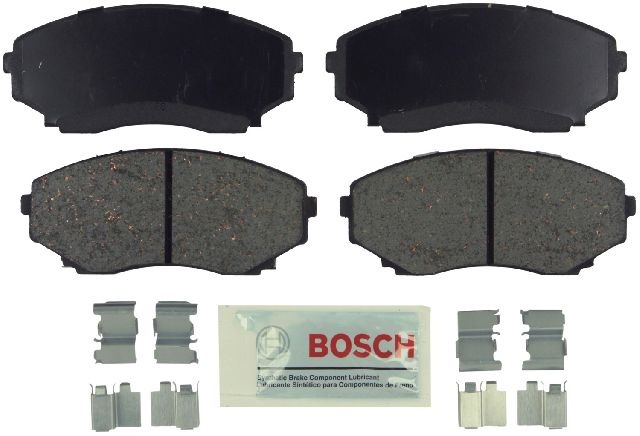
- Bosch: Known for reliable, quiet performance that provides excellent value.
- Wagner Brakes: Their ThermoQuiet pads are a popular choice, known for good wear characteristics and quiet operation.
- Raybestos & Centric: Both offer quality pads that are considered dependable replacements for daily driving. Some users note that certain Centric Posi-Quiet pads can have a soft initial bite when cold.
Best for: The vast majority of drivers. These pads provide factory-level performance or better for daily commuting and family hauling.
Performance & Heavy-Duty Pads
If you frequently tow, haul heavy loads, or live in a mountainous area, an upgrade to performance pads can provide an extra margin of safety. These pads offer a stronger bite and better resistance to brake fade under high heat.
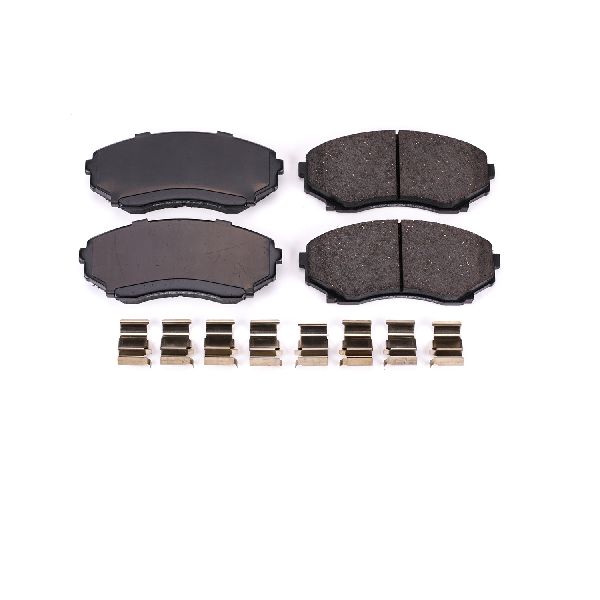
- Powerstop: A very popular upgrade option, often sold in kits with new rotors. Their Z23 series pads use a carbon-fiber ceramic formula for increased stopping power.
- EBC Brakes & Brembo: These are premium, performance-focused brands. They offer superior stopping power but may produce more dust or noise than OEM-equivalent pads.
Best for: Drivers who need extra braking performance for towing or demanding conditions. Be aware they may feel firmer and create more dust than standard pads.
Known Issues and Recalls
For the 1997-2006 model years, there are no widespread recalls specifically for the disc brake pads. However, a recall was issued for 2000-2001 MPV models without ABS for an improper brake pipe layout that could increase stopping distances. While unrelated to the pads themselves, it highlights the importance of a well-maintained brake system. TSBs for other Mazda vehicles show that brake noise can be caused by deteriorated grease or rust on contact points, emphasizing the need for proper installation.
| Pad Tier | Price Range (Per Axle) |
|---|---|
| Economy (Pronto, etc.) | $20 - $35 |
| OEM-Equivalent (Akebono, Bosch, Wagner) | $35 - $60 |
| Performance (Powerstop, EBC) | $50 - $75+ |
Frequently Asked Questions
Do I need to replace my rotors with my pads?
It is highly recommended. At a minimum, your rotors should be inspected for thickness and runout (warping). A grinding noise from worn pads almost always means the rotors are damaged and must be replaced. Installing new pads on old, worn rotors will reduce their performance and lifespan. For best results, replace pads and rotors at the same time.
What's the difference between ceramic and semi-metallic pads?
Ceramic pads, like those from Akebono and Bosch, are generally quieter, produce less dust, and are easier on your rotors. Semi-metallic pads offer excellent heat dissipation and a firmer pedal feel but can be noisier and create more dust. For a family vehicle like the MPV, most owners prefer the clean, quiet operation of ceramic pads.
Are front and rear brake pads the same?
No. Front and rear brake pads are different sizes and shapes and are sold as separate sets. The front brakes do most of the work and typically wear out faster than the rears.
What is the most common mistake when ordering MPV brake pads?
The most common mistake is ordering parts for the wrong generation. A 1998 MPV (Gen 1) and a 2000 MPV (Gen 2) use completely different brake systems. Double-check your vehicle's year before purchasing.
Technical Specifications
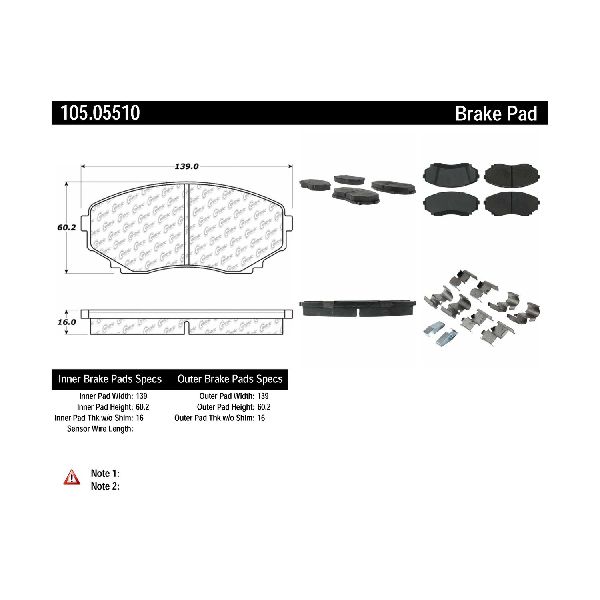
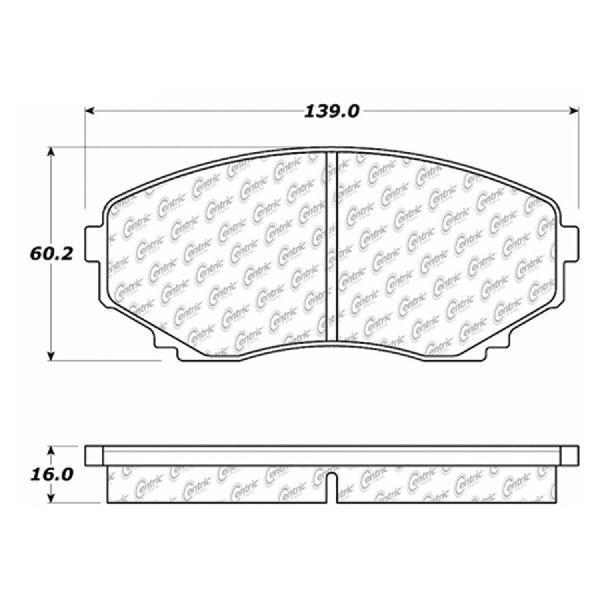
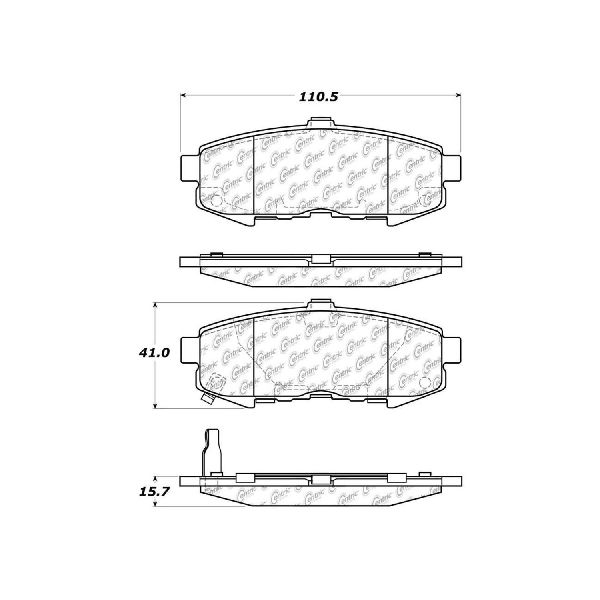
Brake pad fitment is dependent on vehicle generation. First Generation (LV) models from 1997-1998 use different pads than Second Generation (LW) models from 2000-2006. Confirming your vehicle's production year and drive type (RWD vs. FWD) is essential for selecting the correct part.
We Have This Part in Stock


The information in this article is provided for general reference and educational purposes only. Vehicle specifications, procedures, and part compatibility can vary by production date, trim level, and region. Always consult your vehicle's factory service manual and verify part numbers before purchasing or performing repairs. Safety-critical components such as airbags, seat belts, and braking systems should be installed by a qualified professional.
- Mazda MPV: