

BMW 525i (1997-2007) Accessory Drive Belt Replacement Guide
Understand the signs of a failing accessory drive belt and how to choose the right replacement for your E39 or E60 525i.
- A squealing noise is the first warning sign of a worn belt or tensioner; do not ignore it.
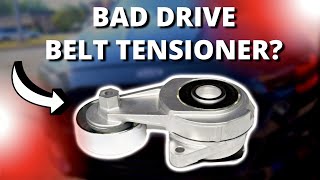
- For long-term reliability, always replace the belt tensioner(s) and idler pulley(s) along with the belts.
- A broken belt will cause immediate loss of power steering and will make the engine overheat, leaving you stranded.
- Verify the correct parts for your specific model year, as the E39 (pre-2004) and E60 (2004+) 525i use different belt systems.
Symptoms of a Failing Accessory Drive Belt
A failing drive belt rarely breaks without warning. For a 1997-2007 BMW 525i, the most common signs point to belt wear or issues with the tensioners and pulleys that guide it. Ignoring these symptoms can lead to a sudden breakdown and potentially expensive engine damage.
- Squealing or Chirping Noises: A high-pitched squeal, especially on startup or during acceleration, is the most common symptom. This noise usually means the belt is slipping because it's old, worn, or contaminated with fluids like oil or coolant.
- Visible Wear and Tear: A visual inspection can reveal a lot. Look for cracks, frayed edges, missing chunks, or a glazed, shiny appearance on the ribbed side of the belt. Any of these signs mean the belt is at the end of its life and needs immediate replacement.
- Power Steering or Overheating Issues: Since the belt drives the power steering pump and water pump, a failing belt can cause stiff steering or a rapidly overheating engine. If the belt breaks completely, you will lose power steering and the engine will overheat very quickly.
- Dashboard Warning Lights: A battery warning light is a serious sign. It indicates the alternator is no longer being spun by the belt, meaning your car's battery isn't charging and will soon die.
A Note on Pulleys and Tensioners
On BMWs of this vintage, the plastic pulleys on the belt tensioner and idler are common failure points. The bearings can wear out, causing a grinding noise 🎬 Watch this video to hear examples of failing pulley noises., or the plastic itself can become brittle and break. A failed pulley will shred the belt, so it is highly recommended to replace the tensioners and idler pulleys at the same time as the belt, especially on cars with over 60,000 miles.
Choosing the Right Aftermarket Belt
For a part like an accessory drive belt, a high-quality aftermarket brand offers excellent value compared to a dealer-sourced OEM part. The original belts on many BMWs are made by major aftermarket manufacturers anyway. The key is to choose a reputable brand known for durable EPDM rubber construction.
For your 1997-2007 525i, several quality aftermarket options are available:
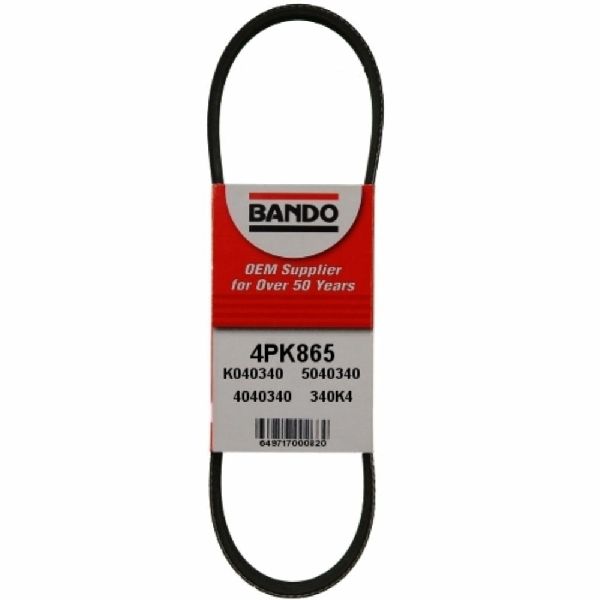
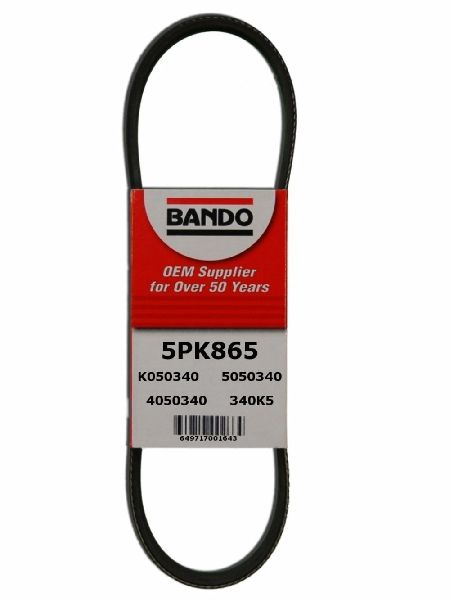
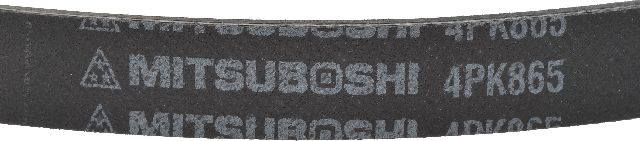
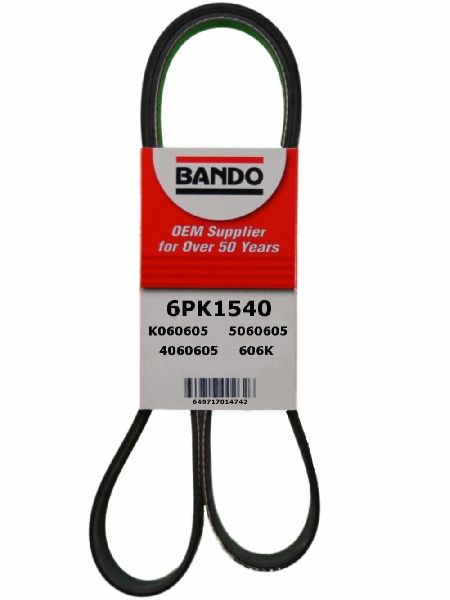
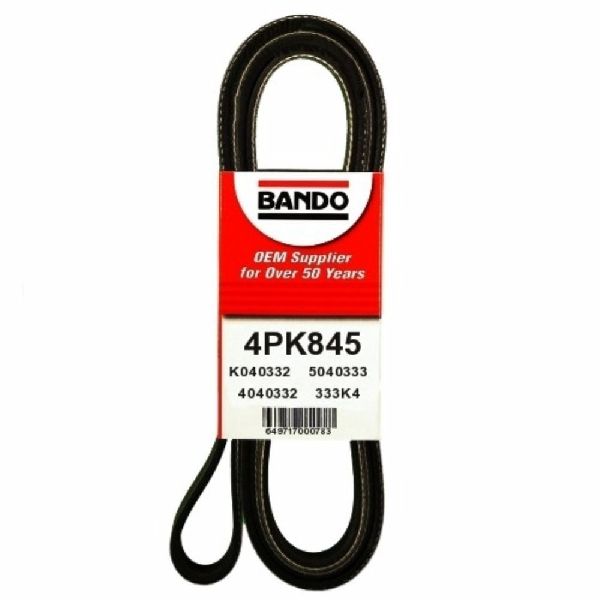
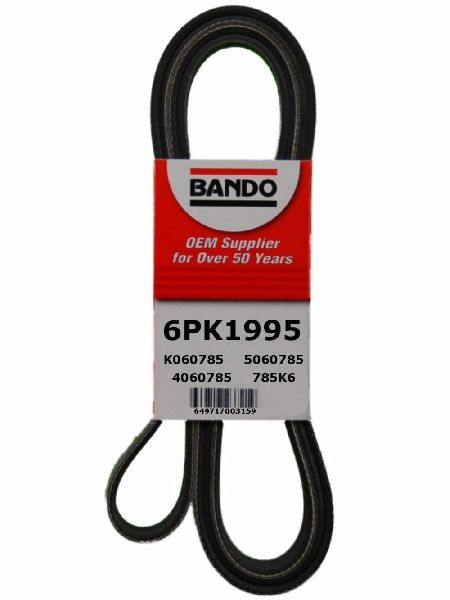
- Bando & Mitsuboshi: Both are major Japanese manufacturers that are original equipment suppliers for many Asian car brands. They are known for high-quality, reliable belts and are considered excellent choices, often equivalent to OEM quality.
- ACDelco: As GM's official parts brand, ACDelco parts are generally reliable. While not a traditional European parts specialist, their belts are a solid, dependable option for replacement.
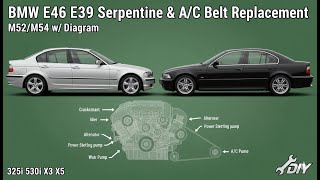
Pro Tip: The 1997-2007 model years span two different 5-Series generations, the E39 (through 2003) 🎬 See a step-by-step guide for replacing belts on E39 models. and the E60 (from 2004) 🎬 Follow this tutorial for drive belt replacement on E60 engines.. These cars use different engines (M54 and N52) with different belt routing and part numbers. Always verify the correct belt length and part number for your specific year and model before purchasing.
Estimated Replacement Costs
The cost to replace an accessory drive belt is relatively low, but it's wise to budget for replacing the tensioners and pulleys at the same time for long-term reliability.
| Part / Service | Estimated Cost |
|---|---|
| Aftermarket Accessory Drive Belt | $15 - $60 |
| Shop Labor (Belt Only) | $98 - $174 |
| Shop Labor (Belt, Tensioners, & Pulleys) | $146 - $215 |
| Total Professional Replacement (Belt Only) | $147 - $267 |
Frequently Asked Questions
How often should the accessory drive belt be replaced?
As a general rule, accessory drive belts should be inspected at every oil change and replaced every 4 years or 50,000 to 60,000 miles, whichever comes first. If you see any signs of cracking, fraying, or glazing, replace it immediately regardless of mileage.
Is there a recall on the accessory drive belt for the 1997-2007 BMW 525i?
A search of the National Highway Traffic Safety Administration (NHTSA) database shows no specific recalls for the accessory drive belt, tensioners, or pulleys on the 1997-2007 BMW 525i.
Can I replace just the belt and not the tensioner?
Yes, you can replace only the belt. However, it is strongly recommended to replace the tensioner(s) and idler pulley(s) at the same time, especially if your car has over 60,000 miles. A worn tensioner can't hold the proper tension, which will cause a new belt to squeal or wear out prematurely. A failing pulley bearing can seize and destroy the new belt.
What's the difference between the main belt and the A/C belt?
On most 6-cylinder 525i models of this era, there are two separate belts. The main accessory belt is longer and drives the alternator, water pump, and power steering pump. A second, shorter belt drives only the A/C compressor. Both should be inspected and replaced at the same time.
Helpful Videos
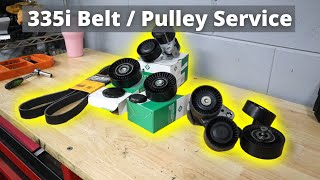
Technical Specifications
OEM Part Numbers: 11287636379 11281437450
The 1997-2003 E39 525i (M54 engine) and 2004-2005 E60 525i (M54 engine) use a two-belt system. The 2006-2007 E60 525i (N52 engine) uses a single serpentine belt system. All systems use automatic, spring-loaded tensioners.
We Have This Part in Stock

The information in this article is provided for general reference and educational purposes only. Vehicle specifications, procedures, and part compatibility can vary by production date, trim level, and region. Always consult your vehicle's factory service manual and verify part numbers before purchasing or performing repairs. Safety-critical components such as airbags, seat belts, and braking systems should be installed by a qualified professional.
- BMW 525i: