

BMW 525i (1997-2007) Ambient Air Temperature Sensor Guide
Is your BMW's temperature display wrong and the climate control acting up? Your ambient air temperature sensor is the likely culprit.
- The most common failure is physical damage to the sensor and its wiring due to its location.
- Before buying a new sensor, visually inspect the passenger-side front wheel well for damage.
- A reading of -40°F almost always means the sensor or its connector has been ripped off.
- For this part, a quality aftermarket sensor is a smart, cost-effective choice.
Symptoms of a Bad Ambient Air Temperature Sensor
When the ambient air temperature sensor fails on a 1997-2007 BMW 525i, the symptoms are usually very noticeable. Because of its exposed location, physical damage is the most common cause of failure.
Most Common Symptom: Incorrect Temperature Display
The most frequent sign of a problem is an incorrect reading on your instrument cluster or information display. Often, the display will show an extremely low temperature, such as -40°F, or a very high one. This happens when the sensor is damaged, disconnected, or the circuit is broken.
- Automatic Climate Control Malfunction: With the car receiving a false, extremely cold reading, the automatic climate control system will prevent the air conditioning compressor from turning on, even on a hot day. Conversely, it might blow hot air when you don't want it.
- Check Engine Light: A failed sensor can trigger the Check Engine Light. You may find diagnostic trouble codes (DTCs) such as P0070, P0071, P0072, P0073, or P0074 when you scan the vehicle.
Choosing the Right Aftermarket Sensor
For a part like the ambient air temperature sensor, the difference between OEM and a quality aftermarket part is minimal for most drivers. The original sensor's primary vulnerability is its location, not its manufacturing quality. Aftermarket brands offer a cost-effective solution.
Pro Tip: Check Your Wiring First!
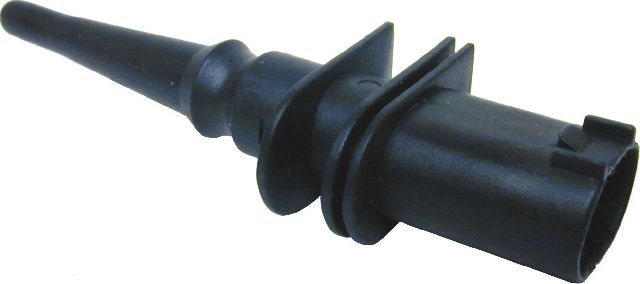
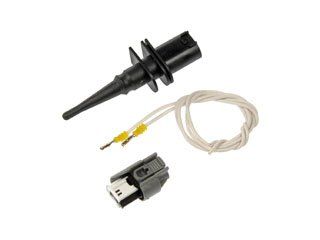
Before ordering a new sensor, inspect the area where it's supposed to be. For the E39 and E60 chassis, this is typically in the front passenger-side wheel well or behind the front bumper. It is extremely common for the sensor and its connector to be completely ripped off the car by road debris, snow, or parking blocks. You may find you need a new connector and wiring pigtail in addition to the sensor itself. Some aftermarket kits include these items.
Brand Quality Tiers
- Good - URO Parts: URO Parts provides a budget-friendly option that meets the basic requirements for this simple sensor. For a non-critical component like this, it's a viable choice if cost is your main priority.
- Better - Dorman: Dorman is a well-known aftermarket manufacturer that often provides parts equivalent to the original. They sometimes offer solutions to common OEM problems, such as improved connectors or repair kits.
- Best - Standard Ignition (SMP): Standard Motor Products is a reputable brand known for producing quality electronic components that often meet or exceed OEM specifications. Choosing this brand provides extra peace of mind for a critical sensor input.
Cost of Replacing the Ambient Air Temperature Sensor
| Part Type | Estimated Cost |
|---|---|
| New Aftermarket Sensor | $19 - $58 |
| Shop Labor (if wiring is intact) | $50 - $100 |
| Shop Labor (with wiring repair) | $120 - $250 |
Frequently Asked Questions (FAQ)
Where is the ambient air temperature sensor located on my 525i?
It is located at the front of the vehicle, usually mounted in the passenger-side front wheel well liner or behind the front bumper cover. Its exposed position makes it very susceptible to damage from road hazards.
Can I replace this sensor myself?
Yes, this is a very feasible DIY job for most owners. The difficulty depends on the condition of the wiring. If the connector is still there, it's a simple plug-and-play replacement. If the wiring is torn, you will need to splice a new connector pigtail, which requires basic wiring skills.
Why does my temperature display read -40°F?
A reading of -40°F is the default value the system displays when it detects an open circuit. This almost always means the sensor is missing, unplugged, or the wires leading to it have been cut or damaged.
Is an expensive OEM sensor better than an aftermarket one?
For this specific part, a quality aftermarket sensor from a reputable brand is perfectly adequate. The failure is almost always due to physical damage, not a defect in the sensor itself. The money saved with an aftermarket part can be put toward any necessary wiring repairs.
Technical Specifications
OEM Part Numbers: 65816905131
2-pin connector
We Have This Part in Stock


The information in this article is provided for general reference and educational purposes only. Vehicle specifications, procedures, and part compatibility can vary by production date, trim level, and region. Always consult your vehicle's factory service manual and verify part numbers before purchasing or performing repairs. Safety-critical components such as airbags, seat belts, and braking systems should be installed by a qualified professional.
- BMW 525i:
- 🛍️ Shop This Part
- Symptoms of a Bad Ambient Air Temperature Sensor
- Most Common Symptom: Incorrect Temperature Display
- Choosing the Right Aftermarket Sensor
- Pro Tip: Check Your Wiring First!
- Brand Quality Tiers
- Cost of Replacing the Ambient Air Temperature Sensor
- Frequently Asked Questions (FAQ)
- 🎟️ Get 5% Off