

Engine Coolant Temperature Sensor Guide for 1997-2007 BMW 525i
Is your BMW 525i running rough, getting bad gas mileage, or overheating? Your Engine Coolant Temperature Sensor could be the problem.
- A failing coolant sensor directly impacts fuel economy and engine performance.
- The 1997-2003 (E39) and 2004-2007 (E60) models have different sensor locations; verify which one you need.
- For reliability, choose a top-tier aftermarket brand like Vemo, Delphi, or Beck Arnley.
- After replacement, you must bleed the cooling system to remove air pockets and prevent overheating.
Is Your BMW 525i's Coolant Temp Sensor Failing?
A bad Engine Coolant Temperature (ECT) sensor can cause more than just a faulty reading on your dash. Because it sends crucial data to your engine's computer (DME), a failure can lead to noticeable performance issues. If the sensor sends a false 'cold' signal, the computer will enrich the fuel mixture, leading to poor gas mileage and black smoke from the exhaust. If it sends a false 'hot' signal, it can cause hard starting, rough idling, and even overheating because the cooling fan may not turn on when needed.
Choosing the Right Aftermarket Sensor for Your 525i
When replacing a critical sensor on a BMW, quality matters. While an OEM (Original Equipment Manufacturer) part from a dealer is always an option, high-quality aftermarket brands can offer similar performance for less money. Aftermarket parts are generally categorized into tiers based on quality and reputation.
Tier 1: OEM-Quality & Trusted Brands
These brands are often the original suppliers to BMW or have a long-standing reputation for quality and reliability that is very close to OEM standards. For a critical sensor like the ECT, sticking to this tier is highly recommended.
- Vemo: Often considered an OEM-quality supplier for many German vehicles. Forum users have reported positive long-term experiences with Vemo parts.
- Delphi: A major automotive parts manufacturer known for producing reliable electronic components that meet or exceed OEM specifications.
- Beck Arnley: This brand sources parts from various manufacturers, often including the original OEM supplier, and re-packages them. They are generally a trusted choice.
- NGK/NTK: While famous for spark plugs, NTK (the sensor division of NGK) is a top-tier manufacturer of engine management sensors.
- Standard Ignition (SMP): A well-regarded aftermarket manufacturer with a long history of producing quality ignition and engine management parts.
Tier 2: Reliable Aftermarket Options
These brands provide a good balance of price and quality. They are dependable choices for daily drivers.
- Facet
- Four Seasons
- Walker Products
Tier 3: Budget-Friendly Brands
These brands offer the lowest price point. However, their quality can be inconsistent. While they might work fine, there is a higher risk of premature failure compared to top-tier brands. For a sensor that influences engine performance so directly, using a budget part can sometimes lead to doing the job twice.
- URO Parts: Known as a budget-friendly alternative, but forum discussions often show mixed reviews regarding long-term reliability for electronic parts.
- Global Parts, True Tech
Pro Tip: For a part this critical and inexpensive, spending a few extra dollars on a Tier 1 brand like Vemo or Delphi is a wise investment to ensure your BMW runs correctly and avoid future headaches.
Generation & Location Differences
The 1997-2007 BMW 525i spans two different generations, the E39 and the E60, and they have different sensor setups.
- E39 (1997-2003): These models often have two temperature sensors. One is a double-temperature switch located on the cylinder head, which sends signals to both the DME and the instrument cluster gauge. A second sensor is located in the lower radiator hose to monitor the radiator's efficiency and help control the electronically assisted thermostat.
- E60 (2004-2007): These models also use multiple sensors. One is located on the cylinder head or near the oil filter housing. Another is on the radiator outlet hose to help control the electric cooling fan speed.
Common Mistake: Always verify the location of the specific sensor you are replacing. Ordering the wrong sensor (e.g., the radiator outlet sensor when you need the cylinder head sensor) is a common error. The sensors may look similar but have different functions.
Cost of Replacing the Engine Coolant Temperature Sensor
| Part Type | Estimated Cost |
|---|---|
| New Aftermarket | $19 - $56 |
| New OEM (Dealer) | $60 - $110 |
| Shop Labor | $70 - $150 |
*Cost estimates are approximate and can vary based on location and the specific sensor being replaced.
Frequently Asked Questions (FAQ)
Where is the engine coolant temperature sensor located on my 525i?
It depends on your vehicle's year. For E39 models (1997-2003), the main sensor is typically on the cylinder head under the intake manifold, while a secondary one is in the lower radiator hose. For E60 models (2004-2007), one sensor is on the engine block near the oil filter housing, and another is on the lower radiator hose. Always confirm the location for your specific engine before starting.
Can I replace this sensor myself?
Yes, this is a DIY-friendly job for most home mechanics. It typically requires basic hand tools like a 22mm wrench or deep socket. The main challenges are accessing the sensor, which may require removing the engine cover, and minimizing coolant loss. The job can usually be done in under an hour.
What happens if I don't replace a bad coolant sensor?
Ignoring a faulty sensor can lead to persistent problems like terrible fuel economy, failed emissions tests, a constantly running cooling fan, or an overheating engine. An engine that runs too rich can foul spark plugs and damage the catalytic converter over time, leading to much more expensive repairs.
Do I need to drain the coolant to replace the sensor?
While draining the coolant is the 'correct' way, you can often replace the sensor without a full drain. Work on a cold engine, and slowly remove the old sensor, being ready to quickly install the new one. Some coolant will spill, so have a drain pan ready. After replacement, you must top off the coolant and properly bleed the system to remove any air pockets, which is critical on BMWs to prevent overheating.
Are there any recalls for this part on my BMW 525i?
Searches of NHTSA data did not show any specific recalls for the engine coolant temperature sensor itself on the 1997-2007 BMW 525i. However, there have been recalls on other BMW models for issues with the electric coolant *pump* connector, which can cause a fire risk, but this is a separate issue from the sensor.
Technical Specifications
OEM Part Numbers: 13621433076 13621709967
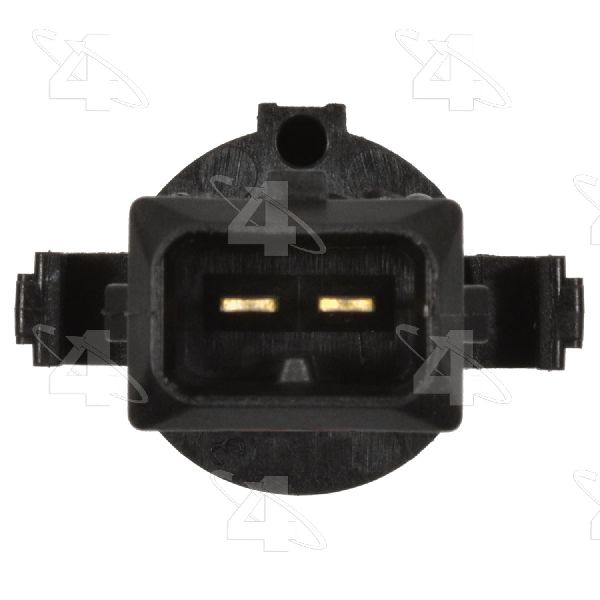
The primary sensor is a 2-pin or 4-pin negative temperature coefficient (NTC) thermistor. Its electrical resistance decreases as the coolant temperature increases. The E39 cylinder head sensor is often a 4-pin dual sensor, while the radiator hose sensors are typically 2-pin.
We Have This Part in Stock

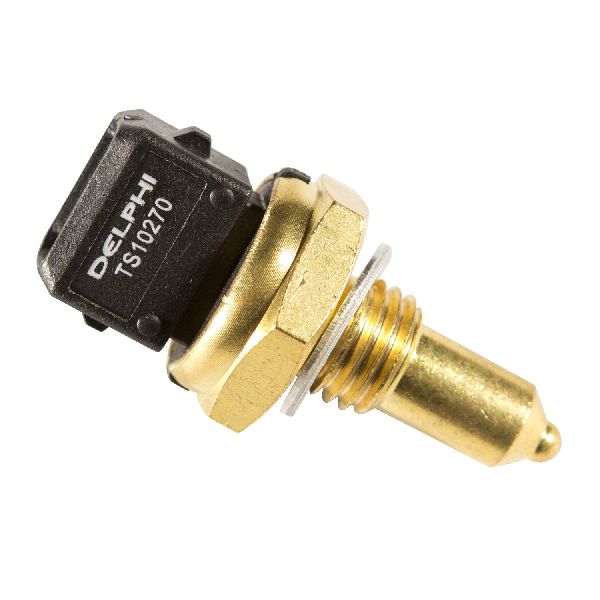
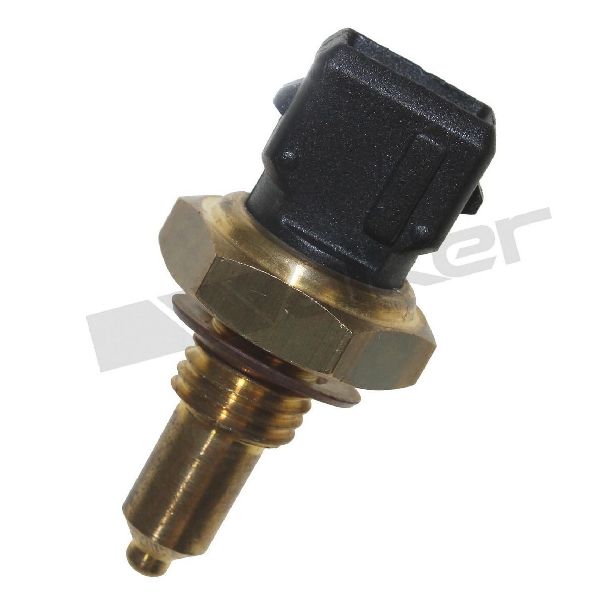
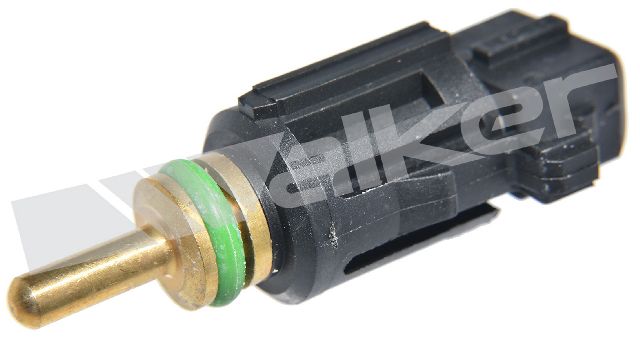
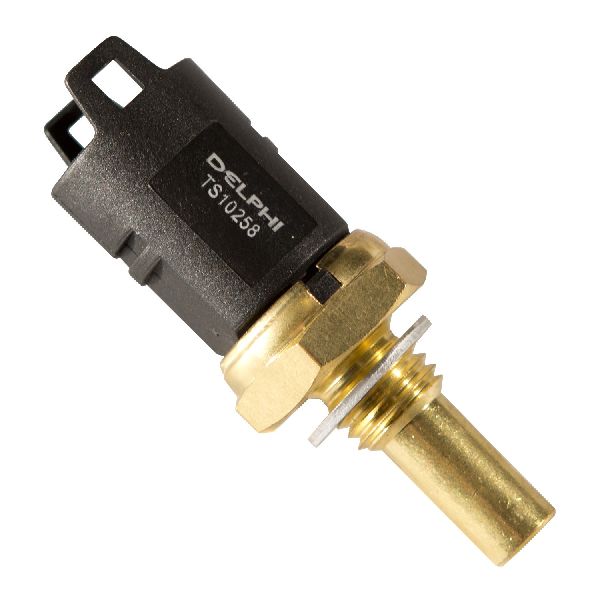

The information in this article is provided for general reference and educational purposes only. Vehicle specifications, procedures, and part compatibility can vary by production date, trim level, and region. Always consult your vehicle's factory service manual and verify part numbers before purchasing or performing repairs. Safety-critical components such as airbags, seat belts, and braking systems should be installed by a qualified professional.
- BMW 525i:
- 🛍️ Shop This Part
- Is Your BMW 525i's Coolant Temp Sensor Failing?
- Choosing the Right Aftermarket Sensor for Your 525i
- Tier 1: OEM-Quality & Trusted Brands
- Tier 2: Reliable Aftermarket Options
- Tier 3: Budget-Friendly Brands
- Generation & Location Differences
- Cost of Replacing the Engine Coolant Temperature Sensor
- Frequently Asked Questions (FAQ)
- 🎟️ Get 5% Off