

Jeep Wrangler TJ Engine Coolant Temperature Sensor Guide (1997-2007)
An essential guide to diagnosing and replacing the engine coolant temperature sensor on your 1997-2007 Jeep Wrangler TJ.
- A bad ECT sensor can cause serious issues like overheating, poor fuel economy, and black smoke.
- For 4.0L and 2.5L engines, the ECT sensor is located on the thermostat housing at the front of the engine.
- Replacement is an easy DIY job that takes under an hour.
- For best results, choose an OEM (Mopar) or a premium aftermarket brand like Delphi, NGK/NTK, or Standard Ignition.
Is Your Jeep's Coolant Sensor Failing?

A faulty Engine Coolant Temperature (ECT) sensor can cause a surprising number of problems in your Wrangler. Because the sensor's reading affects so many engine functions, a bad signal can lead the computer to make poor decisions. For example, if the sensor is stuck sending a "cold" signal, the computer will continuously enrich the fuel mixture, as if the engine is always in warm-up mode. This leads to poor fuel economy, black smoke, and can even foul your spark plugs over time. Conversely, if the sensor sends a false "hot" signal, it can cause performance issues or prevent the electric fan from turning on when it's actually needed, risking engine overheating.
Symptoms of a Bad ECT Sensor

Look out for these common signs of a failing coolant temperature sensor in your TJ Wrangler:
- Check Engine Light: This is often the first sign. Codes like P0117 (Circuit Low) or P0118 (Circuit High) point directly to the ECT sensor or its wiring.
- Poor Fuel Economy: If the sensor incorrectly tells the computer the engine is cold, the system will run a rich fuel mixture, wasting gas.
- Black Smoke from Exhaust: A very rich fuel mixture from a bad sensor signal can result in unburned fuel exiting through the exhaust as black smoke.
- Engine Overheating: A faulty sensor might fail to trigger the electric cooling fan, causing the engine to overheat in traffic or on trails.
- Erratic Temperature Gauge: The gauge on your dashboard may read incorrectly, showing pegged hot, cold, or fluctuating wildly.
- Hard Starting: Especially when the engine is warm, a false "cold" signal can make it difficult to start.
Two Different Sensors
On many 4.0L and 2.5L Jeep engines, there are two temperature sensors. The one located on the thermostat housing is the Engine Coolant Temperature (ECT) sensor, which sends information to the engine computer (PCM). A second, single-wire sensor, often located at the rear of the cylinder head, is the temperature sending unit for the dashboard gauge. Be sure you are replacing the correct one for your issue. This guide focuses on the ECT sensor for the computer.
Choosing the Right Aftermarket Sensor

While you can always get a part from the dealer, the aftermarket offers a wide range of quality and price. For a critical sensor like this, it's wise to avoid the absolute cheapest options, as forum members often report premature failures with no-name brands.
- OEM (Mopar): This is the original factory part. It's the benchmark for quality and fitment but comes at the highest price. Many Jeep owners prefer to stick with Mopar for critical sensors to avoid compatibility issues.
- Premium Aftermarket (Delphi, NGK/NTK, Standard Ignition): These brands are often original equipment manufacturers for many car companies and have a strong reputation for quality that rivals OEM. Forum discussions frequently recommend NGK (NTK) and Standard Motor Products (SMP) as reliable alternatives to Mopar.
- Reputable Aftermarket (Crown Automotive, Omix-Ada, Four Seasons): Brands like Crown and Omix-Ada are staples in the Jeep aftermarket community. They offer a good balance of value and quality and are a popular choice for many repairs.
- Economy Brands (Global Parts, True Tech, etc.): These are the most budget-friendly options. While they may work fine, their long-term reliability can be inconsistent. They are best suited for temporary fixes or if budget is the primary concern.
Pro Tip: Check the Connector
Before buying a new sensor, inspect the wiring connector. A corroded, loose, or cracked connector can mimic the symptoms of a bad sensor. If wiggling the connector affects the gauge or engine behavior, the problem may be in the wiring, not the sensor itself.
Typical Replacement Costs
Replacing the ECT sensor is a budget-friendly repair, especially if you do it yourself.
| Part Type | Price Range |
|---|---|
| New Aftermarket Sensor | $12 - $60 |
| New OEM (Mopar) Sensor | $45 - $120 |
| Shop Labor | $75 - $150 |
Frequently Asked Questions (FAQ)

Where is the ECT sensor located on a 1997-2007 Wrangler?
For both the 4.0L inline-6 and 2.5L 4-cylinder engines, the main engine coolant temperature sensor (for the computer) is located on the front of the engine, threaded into the thermostat housing. This is where the upper radiator hose connects to the engine.
Can a bad coolant sensor cause my Jeep to overheat?
Yes. The ECT sensor is responsible for telling the computer when to turn on the electric cooling fan. If the sensor fails and doesn't send a "hot" signal, the fan may not activate when you're in slow-moving traffic, leading to engine overheating.
Is it difficult to replace the ECT sensor myself?
No, this is a great DIY job for beginners. The sensor is easy to access on the thermostat housing. The process involves draining a small amount of coolant, unplugging the electrical connector, and unscrewing the old sensor with a deep socket or wrench. The entire job usually takes less than an hour.
Should I use thread sealant on the new sensor?
Many new sensors come with a thread sealant pre-applied. If your new sensor does not have any sealant on the threads, it is a good idea to apply a small amount of automotive thread sealant or Teflon tape to ensure a leak-free seal.
Are there any recalls for this issue?
As of late 2024, there are no specific recalls on the 1997-2007 Jeep Wrangler for the engine coolant temperature sensor itself. Searches of the NHTSA database show recalls for newer model Wranglers related to other cooling system components or different issues entirely, but not this specific sensor for the TJ generation.
Helpful Videos
Technical Specifications
OEM Part Numbers: 56027873
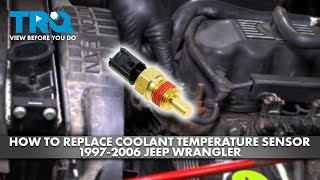
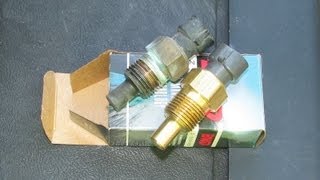
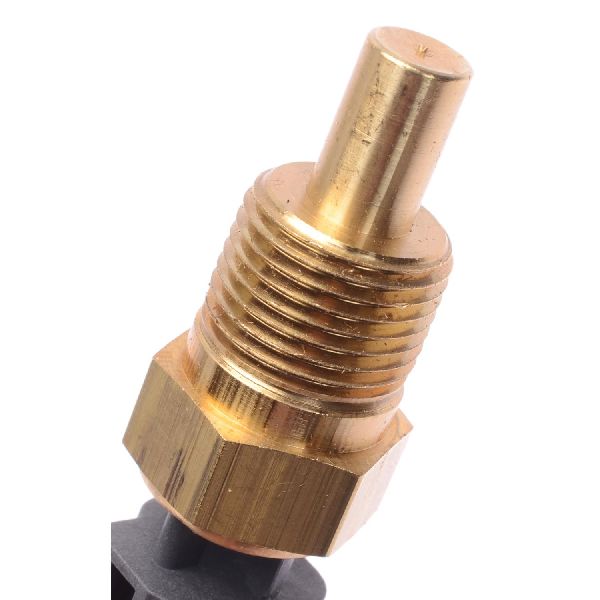
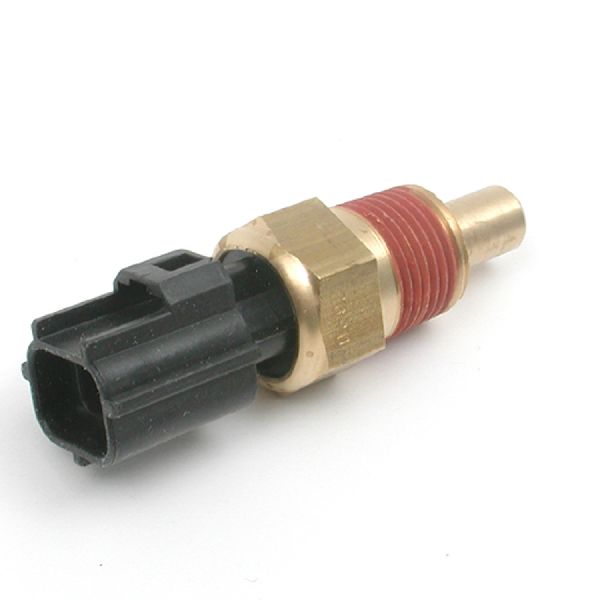
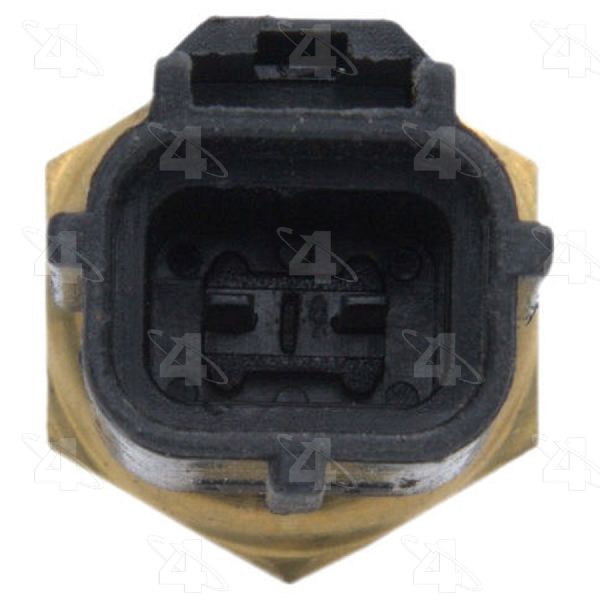
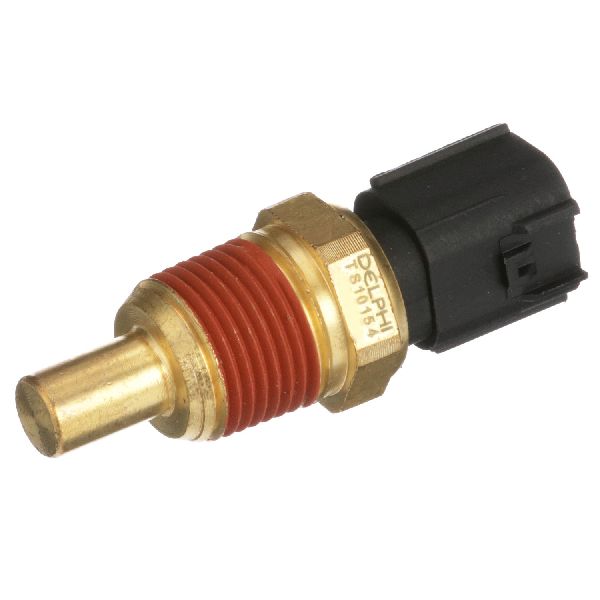
The sensor for the 1997-2006 Wrangler TJ with a 4 or 6-cylinder engine is a two-wire thermistor that threads into the thermostat housing. It uses a changing electrical resistance to measure temperature and inform the PCM.
We Have This Part in Stock


The information in this article is provided for general reference and educational purposes only. Vehicle specifications, procedures, and part compatibility can vary by production date, trim level, and region. Always consult your vehicle's factory service manual and verify part numbers before purchasing or performing repairs. Safety-critical components such as airbags, seat belts, and braking systems should be installed by a qualified professional.
- Jeep Wrangler: