

BMW 530i Engine Coolant Temperature Sensor: A Complete Guide (1997-2008)
Address poor fuel economy, erratic temperature gauge readings, and check engine lights on your E39 or E60 530i by understanding this critical sensor.
- Focus on the sensor in the lower radiator hose (Part No. 13621433077), as it's the most common and accessible failure point.
- A bad sensor can cause serious issues like overheating and poor fuel economy; do not ignore the symptoms.
- Always bleed the cooling system after replacement to prevent air pockets and potential engine damage.
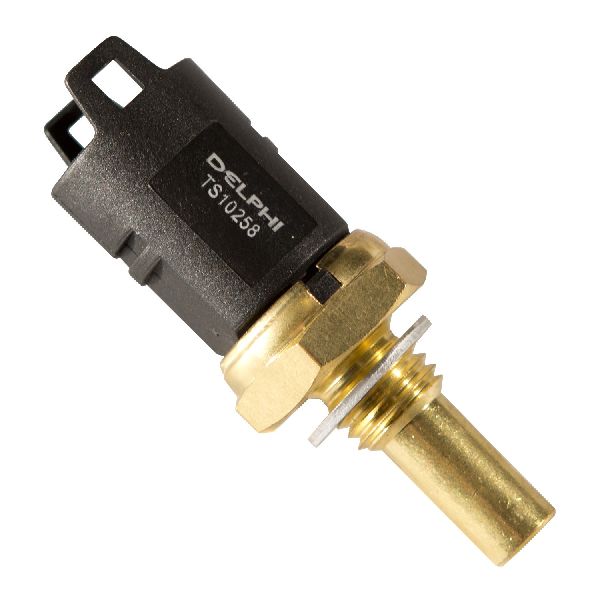
- For BMW electronics, using an OEM-equivalent brand like Delphi, Vemo, or Facet is a wise investment to ensure compatibility.
Understanding the Coolant Temp Sensor in Your 530i
Your 1997-2008 BMW 530i, spanning the E39 and E60 generations, actually has two coolant temperature sensors. The main sensor is on the cylinder head, but it is very difficult to access. The second sensor, located in the lower radiator hose, is the one that most commonly fails and is easiest to replace. This guide focuses on this more accessible lower radiator hose sensor, which is responsible for providing temperature data to control the auxiliary cooling fan and thermostat. A failure here can lead to overheating or incorrect fan operation.
Common Symptoms of a Failing Sensor
A bad coolant temperature sensor can make your BMW's computer believe the engine is always cold or always hot, leading to noticeable problems. Look out for these common signs:
- Check Engine Light: The most common sign is an illuminated check engine light, often with codes like P0117 (Circuit Low) or P0118 (Circuit High).
- Poor Fuel Economy: If the sensor incorrectly tells the computer the engine is cold, the system will enrich the fuel mixture, wasting gas.
- Black Smoke from Exhaust: A very rich fuel mixture from a bad sensor reading can result in unburnt fuel exiting the exhaust as black smoke.
- Engine Overheating: A faulty sensor may fail to trigger the electric cooling fan when needed, causing the engine to overheat, especially in traffic.
- Erratic Temperature Gauge: The gauge on your dashboard might fluctuate wildly, read extremely high right after starting, or not move at all.
- Rough Idle or Hard Starts: Incorrect fuel and timing adjustments from a bad sensor reading can cause poor engine performance.
E39 vs. E60 Location
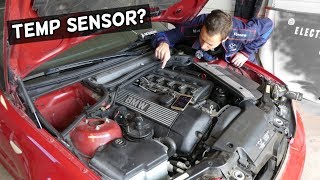
For both the E39 (1997-2003) and E60 (2004-2008) 530i models, the secondary and most commonly replaced sensor is located in the lower radiator hose on the passenger side of the radiator. 🎬 See exactly where the sensor is located on your BMW. It is typically a simple clip-in or screw-in part.
Choosing the Right Aftermarket Sensor
While some sensors for BMWs are best sourced directly from the dealer, the lower radiator hose sensor is a component where high-quality aftermarket brands can offer excellent value. BMW computers can be sensitive to sensor data, so choosing a reputable brand is important to avoid further issues.
- OEM-Equivalent Brands (Highest Trust): Brands like Delphi, Vemo, and Facet are often original equipment manufacturers for BMW and other European brands. Choosing one of these is the safest aftermarket option for plug-and-play reliability.
- Quality Aftermarket Brands (Reliable Value): Brands such as Beck Arnley, Standard Ignition (SMP), and NGK have a strong reputation for producing reliable sensors that meet or exceed OEM specifications.
- Budget-Friendly Options: Brands like URO Parts, Walker Products, and Global Parts offer a more affordable price point. While they can be a good value, enthusiast forums report more varied long-term reliability compared to OEM-equivalent brands.
Pro Tip: Replace the O-Ring
This sensor is a common source of slow coolant leaks. Always replace the small O-ring or sealing washer when installing a new sensor to ensure a leak-free seal. Many new sensors include one in the box.
Cost of Replacing the Coolant Temperature Sensor
| Part Type | Estimated Cost |
|---|---|
| New Aftermarket Sensor | $19 - $55 |
| New OEM (Genuine BMW) Sensor | $45 - $70 |
| Shop Labor | $60 - $120 |
Frequently Asked Questions (FAQ)
Where is the engine coolant temperature sensor located on a 1997-2008 BMW 530i?
There are two. The main one is on the cylinder head under the intake manifold and is very hard to reach. The easier one, and the one that commonly fails, is in the lower radiator hose, typically on the passenger side of the radiator.
Can I replace this sensor myself?
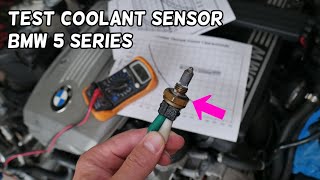
Yes, this is a very DIY-friendly job for the sensor located in the radiator hose. The job requires basic hand tools, can be done in under an hour, 🎬 Watch this step-by-step walkthrough of the sensor replacement. and involves unclipping the wire, removing the old sensor, and installing the new one. Always work on a cold engine.
Do I need to drain the coolant to replace it?
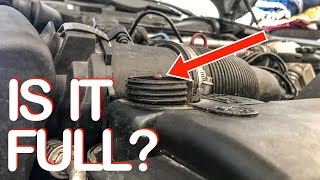
You don't have to drain the entire system. If you are quick, you will only lose a small amount of coolant. However, it's best to have a drain pan underneath to catch any spillage. Leaving the coolant reservoir cap on can create a vacuum and minimize loss.
Is it necessary to bleed the cooling system after replacement?
Yes. Any time you open the cooling system and introduce air, you must bleed it properly. Failing to bleed the system can leave air pockets that lead to overheating and serious engine damage. Both E39 and E60 models have specific bleeding procedures.
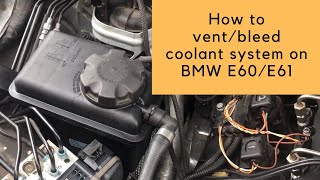
🎬 Watch how to properly bleed the cooling system on an E60.Should I replace anything else at the same time?
Because the plastic and rubber components of the cooling system become brittle with age, it is a good preventative measure to replace the lower radiator hose when you replace the sensor, especially if the hose is old.
Helpful Videos
Technical Specifications
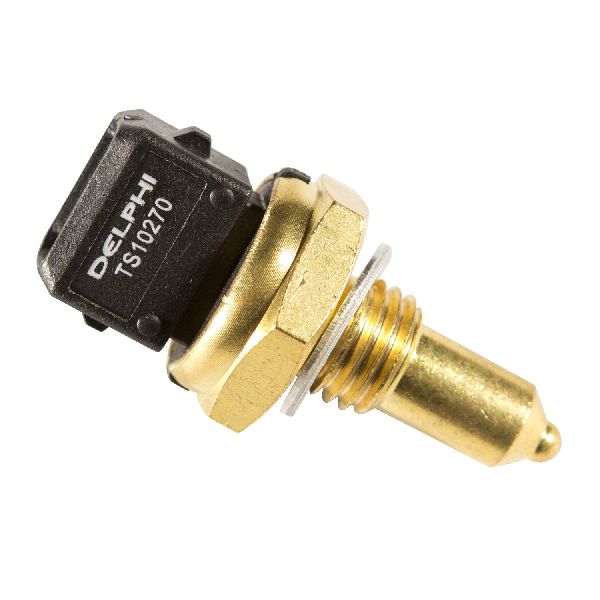
OEM Part Numbers: 13621433077
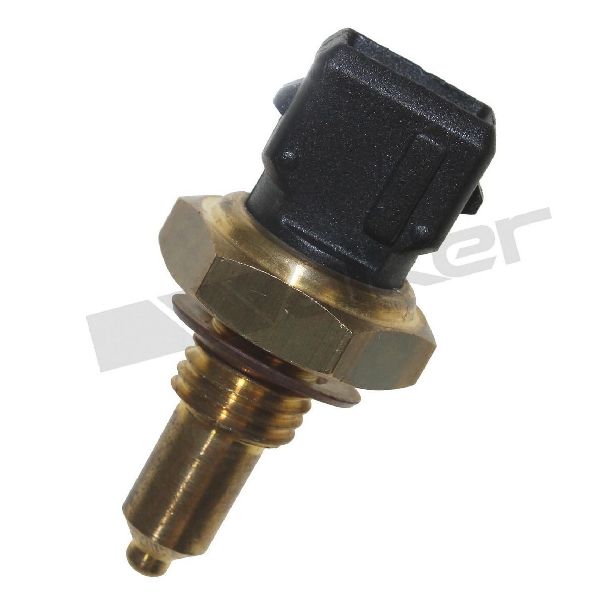
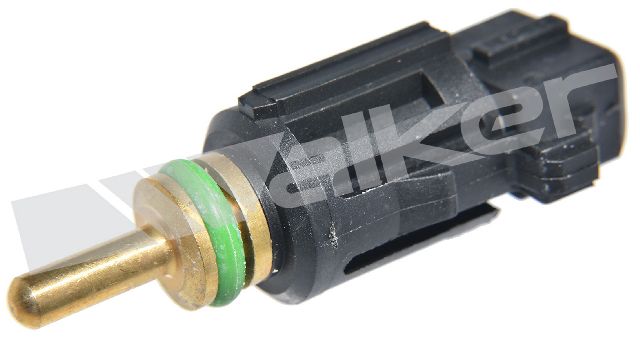
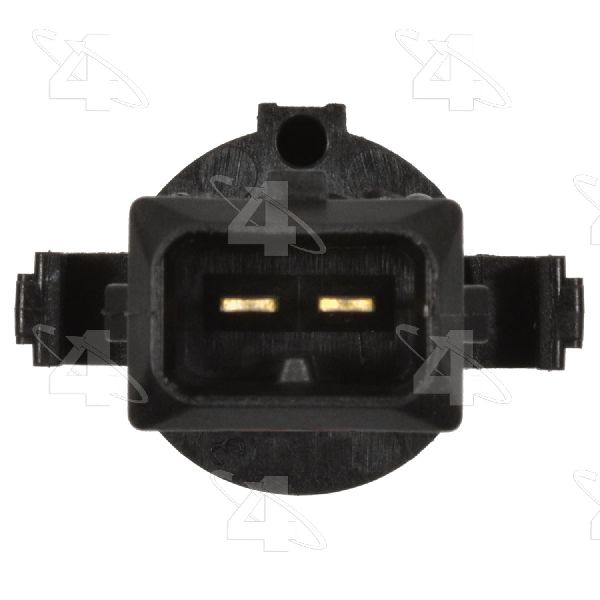
This guide refers to the 2-pin coolant temperature sensor located in the lower radiator hose for both E39 and E60 generation 530i models.
We Have This Part in Stock


The information in this article is provided for general reference and educational purposes only. Vehicle specifications, procedures, and part compatibility can vary by production date, trim level, and region. Always consult your vehicle's factory service manual and verify part numbers before purchasing or performing repairs. Safety-critical components such as airbags, seat belts, and braking systems should be installed by a qualified professional.
- BMW 530i:
- 🎬 Helpful Videos
- 🛍️ Shop This Part
- Understanding the Coolant Temp Sensor in Your 530i
- Common Symptoms of a Failing Sensor
- E39 vs. E60 Location
- Choosing the Right Aftermarket Sensor
- Pro Tip: Replace the O-Ring
- Cost of Replacing the Coolant Temperature Sensor
- Frequently Asked Questions (FAQ)
- 🎟️ Get 5% Off