

Engine Timing Set Guide for the 1997-2008 Pontiac Grand Prix
Keep your Grand Prix's reliable 3.8L or 3.1L V6 engine running strong by understanding when and how to replace its timing set.
- A rattling noise on startup is the most common sign of a failing timing set, usually due to the plastic tensioner.
- Choose an aftermarket kit from a brand like Cloyes or Melling for an upgraded, more durable metal tensioner.
- Due to the high labor cost, always replace the complete set (chain, sprockets, tensioner, guides) at once.
- A timing chain failure will cause the engine to stop, but severe internal damage is unlikely on these non-interference engines.
Is Your Grand Prix Making a Rattling Noise?
A rattling sound from the front of the engine, especially when you first start it, is a classic sign of a worn timing set in the 1997-2008 Pontiac Grand Prix. The most common failure point on the popular 3.8L V6 engine is the original plastic timing chain tensioner. Over time, it can become brittle, crack, and break apart. This allows the timing chain to become loose, causing it to slap against the timing cover and creating the rattle. If ignored, this can lead to more serious engine problems.
Choosing the Right Aftermarket Timing Set
For this generation of Grand Prix, aftermarket timing sets are a popular and often superior choice compared to the original factory parts. This is because many aftermarket kits have redesigned the known weak points, like the plastic tensioner.
Pro Tip: When replacing your timing set, always choose a complete kit that includes the chain, sprockets, guides, and a new tensioner. Many aftermarket kits for the 3.8L V6 include an improved metal-bodied tensioner, which is a worthwhile upgrade over the original plastic design.
Brand Quality Tiers
- Tier 1 (Premium Aftermarket): Brands like Cloyes and Melling are highly regarded for GM engines. They have a long history of producing quality timing components and their kits are trusted by many professional mechanics. 🎬 Watch a detailed comparison of Cloyes and Melling timing kits. These brands often offer complete solutions with high-quality chains and durable metal tensioners. 🎬 See how these premium timing sets compare in quality.
- Tier 2 (Reputable Aftermarket): INA and Dayco also offer timing sets for the Grand Prix. They are known for producing reliable parts and provide a good balance between cost and quality. These are solid choices for a daily driver.
- Tier 3 (Budget): Brands like Skyward or other store-branded options can be more affordable. While they meet basic specifications, some forum discussions suggest that for a critical, labor-intensive job like a timing set replacement, investing in a Tier 1 or Tier 2 brand provides better long-term peace of mind.
Known Issues, Recalls, and Service Bulletins
While there are no specific recalls for the timing chain itself on the 1997-2008 Grand Prix, there was a safety recall for some 1997-2003 models equipped with the 3.8L Supercharged V6 engine. This recall (NHTSA ID: 08V118000) addressed an issue where engine oil could drip from a faulty valve cover gasket onto the hot exhaust manifold, creating a fire risk. This is unrelated to timing chain function but is important for owners of supercharged models to be aware of.
Estimated Replacement Costs
Replacing the timing set is a moderately difficult job because the timing cover has to be removed. This involves draining the coolant and removing several other parts to gain access. Labor costs can be significant.
| Part or Service | Estimated Cost |
|---|---|
| New Aftermarket Timing Set | $51 - $338 |
| Shop Labor | $1,200 - $1,900 |
| Total Professional Replacement | $1,251 - $2,238 |
Cost estimates are based on industry averages and may vary by location and specific vehicle condition.
Frequently Asked Questions (FAQ)
When should I replace my Grand Prix's timing set?
There is no universal replacement interval. You should replace it if you notice symptoms like a rattling noise from the engine, persistent engine misfires, or if a diagnostic scan reveals timing-related trouble codes like P0016. Many owners of the 3.8L V6 choose to replace it preventatively around 100,000-150,000 miles, especially if other service is being done in that area of the engine.
Is a timing chain the same as a timing belt?
No. The engines in the 1997-2008 Grand Prix use a metal timing chain, which is located inside the engine and lubricated by engine oil. A timing belt is a rubber belt located outside the engine and needs to be replaced at regular intervals. Timing chains are designed to last much longer.
Can I replace just the broken tensioner?
While it's technically possible, it is highly recommended to replace the entire timing set (chain, sprockets, guides, and tensioner) at the same time. The labor involved to access the tensioner is the same as replacing the whole kit. Installing a new tensioner with a stretched, old chain and worn sprockets is not a reliable repair.
What happens if the timing chain breaks?
If the timing chain breaks, the engine will stop running immediately. Because the 3.8L and 3.1L V6 engines are "non-interference" designs, a broken chain will typically not cause catastrophic damage like pistons hitting valves. However, you will be stranded and will require a tow.
Helpful Videos

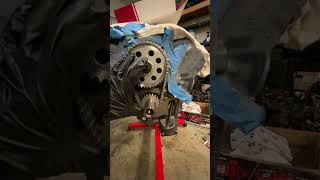
Technical Specifications
OEM Part Numbers: 24504668 24505306 24502431 24503893
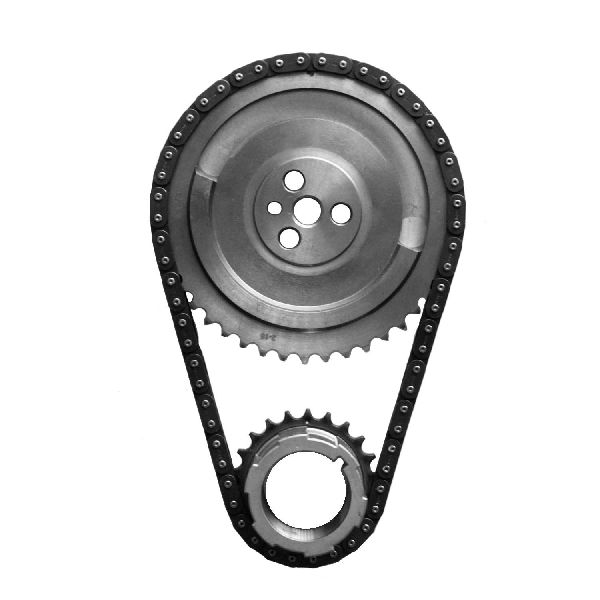
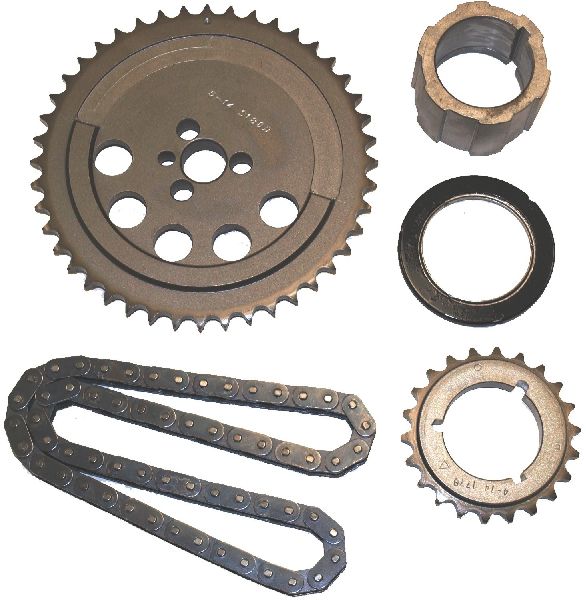
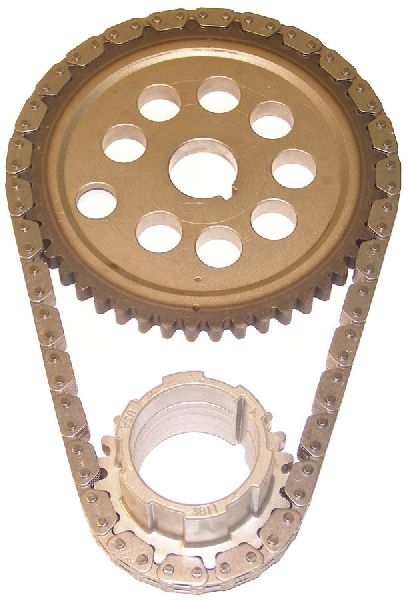
Kits are specific to the engine type (3.1L V6, 3.8L V6, or 3.8L Supercharged V6). The primary components are the timing chain, camshaft sprocket, crankshaft sprocket, and a chain tensioner/dampener. The 3.8L V6 uses a 64-link chain.
We Have This Part in Stock
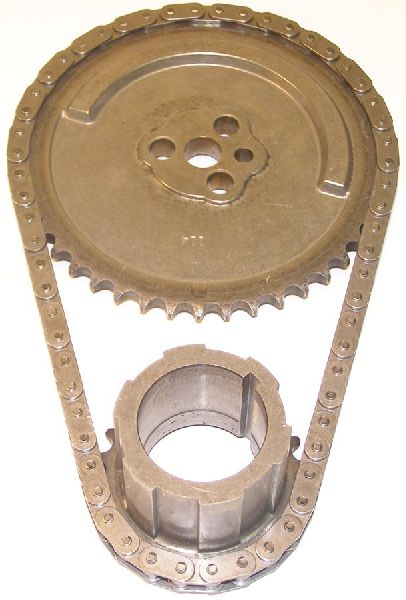
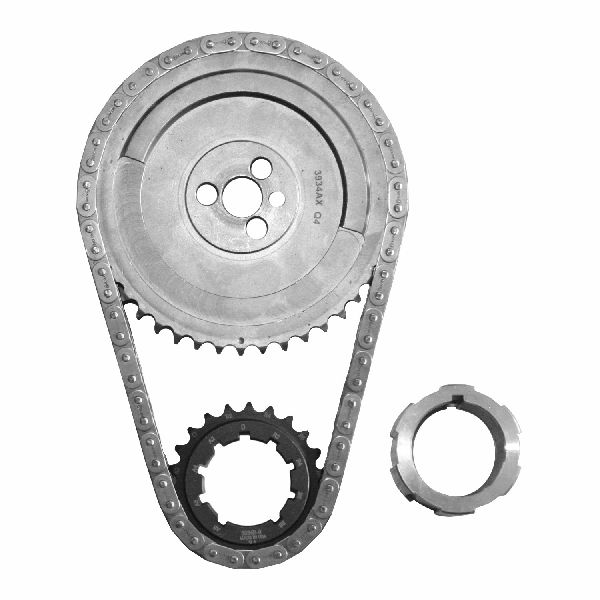
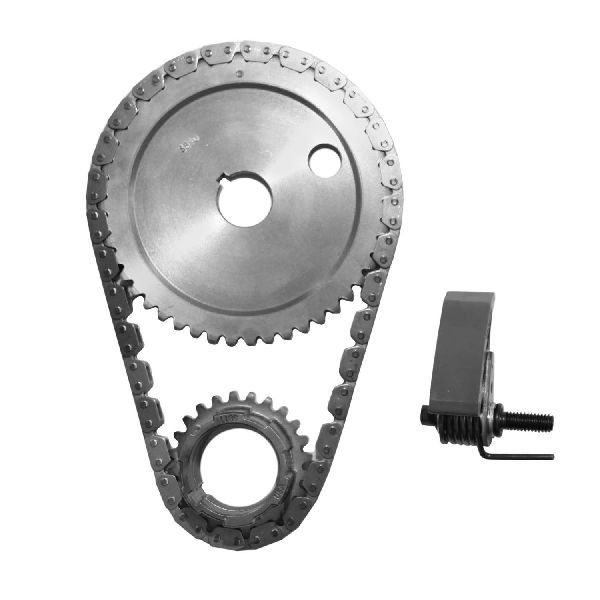

The information in this article is provided for general reference and educational purposes only. Vehicle specifications, procedures, and part compatibility can vary by production date, trim level, and region. Always consult your vehicle's factory service manual and verify part numbers before purchasing or performing repairs. Safety-critical components such as airbags, seat belts, and braking systems should be installed by a qualified professional.
- Pontiac Grand Prix: