

BMW 525i (1997-2009) Oxygen Sensor: A Complete Guide
Choosing the right oxygen sensor for your E39 or E60 BMW 525i is critical for performance and avoiding check engine lights.
- Your 525i has four oxygen sensors; identify the correct one (upstream/downstream, bank 1/2) before ordering.
- Stick to OEM-supplier brands like Bosch, Denso, or NGK/NTK for best results and to avoid check engine light issues.
- Lean codes (P0171, P0174) are common but are often caused by vacuum leaks, not the O2 sensor itself. Investigate leaks first.
- Ignoring a bad O2 sensor can lead to expensive catalytic converter damage.
Understanding the 1997-2009 BMW 525i Oxygen Sensor
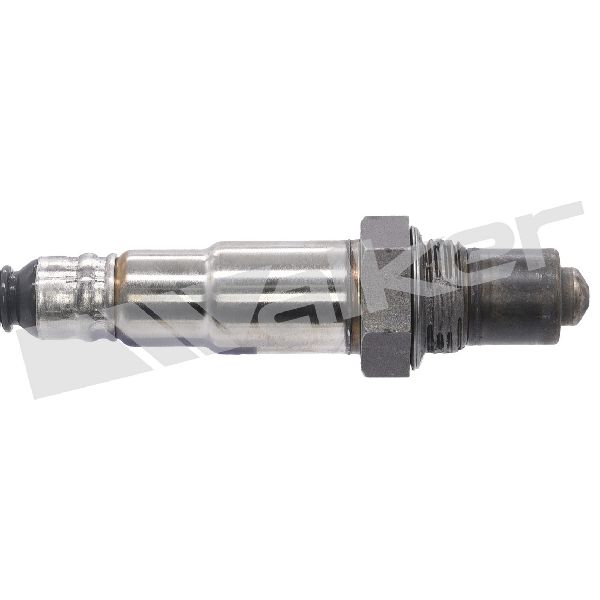
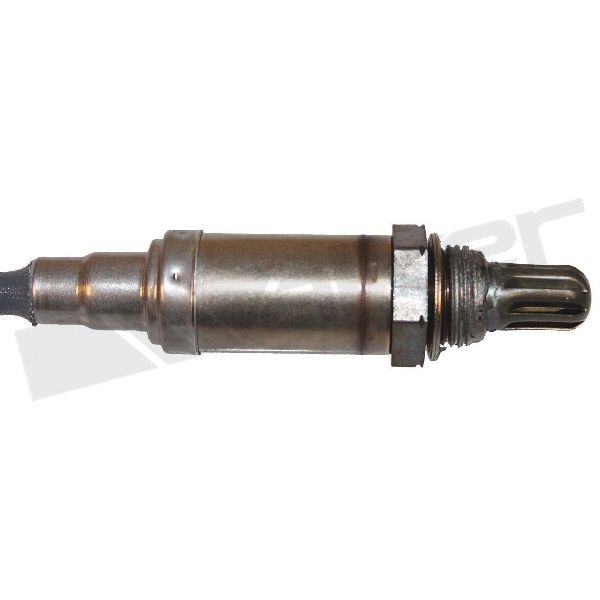
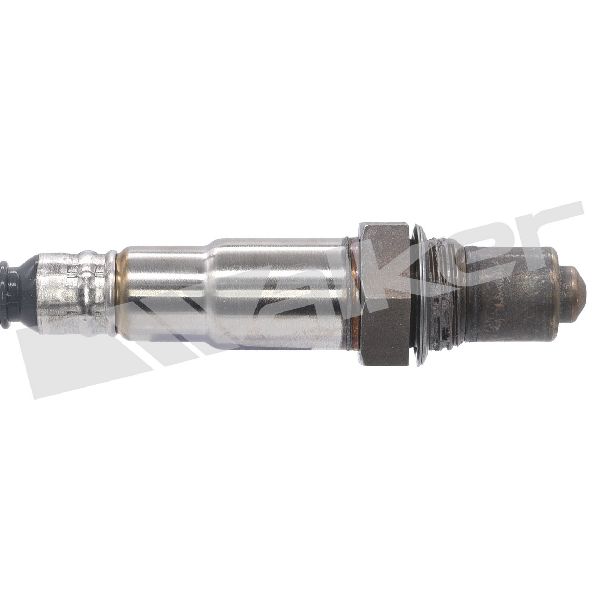
The oxygen sensor, or O2 sensor, is a small but vital component for your BMW 525i's engine. It acts like a nose in your exhaust pipe, sniffing the gases to make sure your engine is burning fuel correctly. The 1997-2009 year range for the 525i covers two distinct generations: the E39 (2001-2003) and the E60 (2004-2007). Both models use a sophisticated system with multiple sensors—typically four in total for the 6-cylinder engines. There are two upstream sensors (also called pre-cat or Sensor 1) and two downstream sensors (post-cat or Sensor 2). The upstream sensors are the most critical for engine performance, while the downstream sensors mainly check if your catalytic converters are working.
Symptoms of a Failing Oxygen Sensor
When an O2 sensor starts to fail, your BMW's computer (DME) gets bad information. This can cause a variety of noticeable problems:
- Check Engine Light: This is the most common sign. Codes like P0171 and P0174 (system too lean) are frequent and often point to issues that could be a vacuum leak or a bad O2 sensor.
- Poor Fuel Economy: If the sensor is faulty, the DME may enrich the fuel mixture, causing you to use more gas than necessary.
- Rough Idle and Misfires: Incorrect fuel mixture can lead to a shaky idle, hesitation, and engine misfires.
- Rotten Egg Smell: A rich fuel mixture can cause a sulfur-like smell from the exhaust as the catalytic converter gets overwhelmed.
- Failed Emissions Test: A bad O2 sensor will almost guarantee a failed emissions test.
Don't Ignore a Bad O2 Sensor
Driving with a bad oxygen sensor for too long is not recommended. An incorrect fuel mixture can damage your expensive catalytic converters, leading to a much costlier repair down the road. Replacing a sensor is far cheaper than replacing a catalytic converter.
Choosing the Right Aftermarket Oxygen Sensor
For a sensitive vehicle like a BMW, the quality of electronic parts matters. While you can save money with aftermarket parts, it's crucial to choose a reputable brand. Sticking with brands that are known Original Equipment (OE) suppliers is the safest bet to avoid persistent check engine lights and performance issues.
Brand Quality Tiers for BMW 525i
- Tier 1: OEM Supplier Brands (Highly Recommended)
- Bosch: Bosch invented the automotive oxygen sensor and is a primary OE supplier for BMW. You can't go wrong with a Bosch sensor; it's often the exact same part as the one from the dealer, just in a different box.
- Denso & NGK/NTK: These are also top-tier OE suppliers known for their quality and reliability. They are excellent alternatives to Bosch and are trusted in the industry.
- Tier 2: Reputable Aftermarket Brands (Good Value)
- Delphi, Walker Products, Spectra: These brands generally offer good quality and can be a solid choice if you're on a tighter budget. However, for BMWs, the consensus among enthusiasts often leans towards sticking with the OEM suppliers to guarantee compatibility and avoid issues.
- Tier 3: Budget Brands (Use with Caution)
- URO Parts, Facet, DriveWire: While these brands offer significant cost savings, their quality can be inconsistent. For a critical component like an oxygen sensor on a BMW, using a budget part might lead to problems that cost more to diagnose and fix in the long run. Some owners have had success, but many forum discussions recommend avoiding them for sensitive electronics.
Pro Tip: Direct-Fit vs. Universal
Always choose a "Direct-Fit" sensor. These come with the correct electrical connector for your specific 525i, making installation a simple plug-and-play process. Universal sensors require you to cut and splice wires, which can lead to connection problems and is not recommended for a reliable repair.
Replacement Cost and Labor
Replacing an oxygen sensor is a common repair. The parts themselves have a wide price range, and labor costs are typically reasonable.
| Item | Estimated Cost |
|---|---|
| New Aftermarket Oxygen Sensor | $24.52 - $273.51 |
| Shop Labor | $100 - $200 per sensor |
Frequently Asked Questions (FAQ)
How many oxygen sensors does my 1997-2009 525i have?
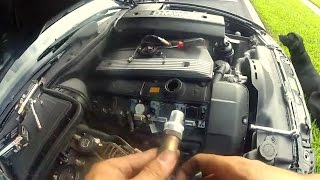
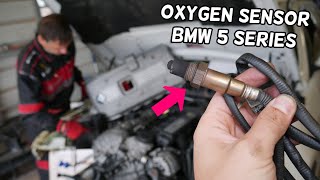
Your 6-cylinder BMW 525i (both E39 and E60 models) has four oxygen sensors. There are two upstream (pre-catalytic converter) sensors, one for each bank of cylinders (Bank 1 for cylinders 1-3, Bank 2 for cylinders 4-6), 🎬 Watch: How to replace upstream sensors on the E60 model and two downstream (post-catalytic converter) sensors that monitor each catalyst.
What's the difference between upstream and downstream sensors?
Upstream sensors (Sensor 1) are located in the exhaust manifold before the catalytic converter. They are the primary sensors used by the DME to make real-time adjustments to the air-fuel mixture. Downstream sensors (Sensor 2) are located after the catalytic converter and their main job is to monitor the health and efficiency of the converter itself.
Can I replace just one sensor?
Yes, you only need to replace the sensor that has failed. Your mechanic can identify the specific faulty sensor using a diagnostic scan tool. However, oxygen sensors age over time, and it's often recommended to replace them in pairs (e.g., both upstream sensors) if your vehicle has high mileage (over 100,000 miles).
Is this a DIY job?
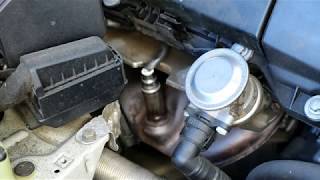
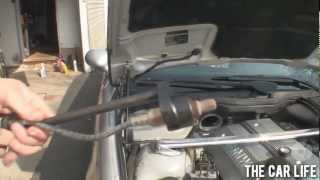
Yes, for a moderately skilled DIYer, this is a feasible job. The main challenge is accessing the sensors, which can be in tight spaces in the exhaust. You will need a special oxygen sensor socket (a 22mm socket with a slot for the wire) to remove 🎬 See this step-by-step E39 oxygen sensor replacement walkthrough and install them. The sensors can be very tight, and sometimes require heat to remove.
What do lean codes like P0171 and P0174 mean?
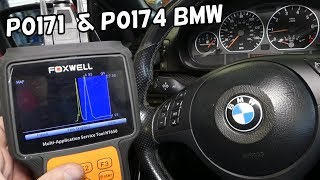
These codes mean your engine is running "lean," meaning there is too much air and not enough fuel. While a failing oxygen sensor can cause this, the most common cause on these BMWs is a vacuum leak from cracked hoses or gaskets (like the intake boot, CCV system, or valve cover gasket). It's important to rule out vacuum leaks before 🎬 Watch: How to find and fix common BMW vacuum leaks replacing the oxygen sensors.
Helpful Videos

Technical Specifications
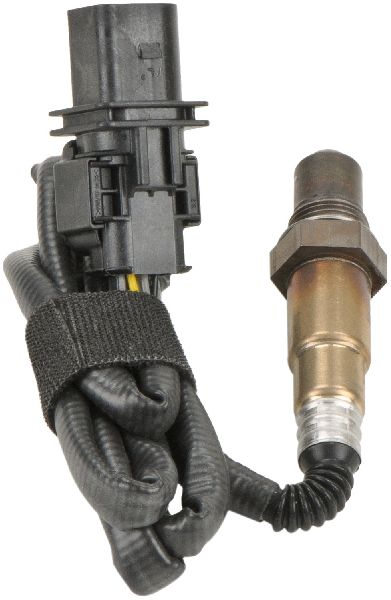
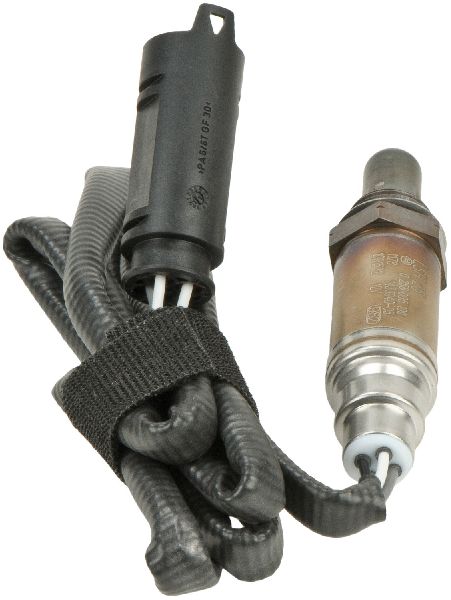
The 6-cylinder E39 and E60 525i models typically use four heated oxygen sensors: two upstream (pre-cat) and two downstream (post-cat). Upstream sensors are often wideband 5-wire types, while downstream are typically 4-wire. A 22mm oxygen sensor socket is required for removal and installation.
We Have This Part in Stock


The information in this article is provided for general reference and educational purposes only. Vehicle specifications, procedures, and part compatibility can vary by production date, trim level, and region. Always consult your vehicle's factory service manual and verify part numbers before purchasing or performing repairs. Safety-critical components such as airbags, seat belts, and braking systems should be installed by a qualified professional.
- BMW 525i:
- 🎬 Helpful Videos
- 🛍️ Shop This Part
- Understanding the 1997-2009 BMW 525i Oxygen Sensor
- Symptoms of a Failing Oxygen Sensor
- Don't Ignore a Bad O2 Sensor
- Choosing the Right Aftermarket Oxygen Sensor
- Brand Quality Tiers for BMW 525i
- Pro Tip: Direct-Fit vs. Universal
- Replacement Cost and Labor
- Frequently Asked Questions (FAQ)
- 🎟️ Get 5% Off