

Ford F-150 Engine Coolant Bypass Hose Guide (1997-2009)
A small coolant leak from the bypass hose can lead to major engine problems in your F-150; here’s what you need to know.
- Carefully inspect the metal tube the hose connects to; on many 1997-2009 F-150s, this corroded tube is the actual source of the leak, not the rubber hose.
- Replacing the corroded metal tube is a much more expensive and difficult repair that may require removing the intake manifold.
- Aftermarket hoses from brands like Gates and Continental offer excellent quality and value compared to OEM parts.
- Driving with a coolant leak is risky; a small leak can fail suddenly and lead to engine overheating and catastrophic damage.
Is Your F-150 Leaking Coolant?
A puddle of green, orange, or yellow fluid under your truck is a common sign of a cooling system problem. For the 1997-2009 Ford F-150, one of the frequent culprits is the engine coolant bypass hose or its connected tube. Because this hose is made of rubber and constantly exposed to heat and pressure, it can dry out, crack, or split over time. Ignoring a leak from this part can lead to low coolant levels and eventually cause your engine to overheat, risking serious damage.
Known Issue: The Corroded Metal Bypass Tube
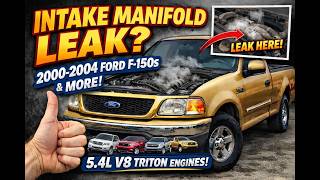
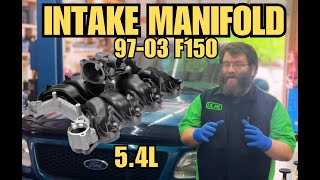
On many 1997-2009 F-150s, particularly those with the 4.6L and 5.4L V8 engines, the short rubber bypass hose connects to a metal tube that is pressed into the intake manifold or water pump. This metal tube is a notorious failure point. It often corrodes from the inside out, developing pinhole leaks that can be mistaken for a bad hose. Before buying a new hose, carefully inspect the metal tube it connects to. If you see rust, crusty coolant residue, or wetness on the tube itself, the tube is the real problem. 🎬 Watch: How to tell if your intake manifold is leaking Replacing this tube is a much more difficult job that often requires removing the entire intake manifold, significantly increasing labor time and cost.
Choosing the Right Aftermarket Part
You don't need to pay dealership prices for a quality replacement. Several aftermarket brands offer reliable hoses that meet or exceed original specifications. Here’s how they generally stack up:
- OEM (Motorcraft): This is the original factory part. It guarantees a perfect fit but is often the most expensive option.
- Tier 1 Aftermarket (Gates, Continental): These brands are highly respected in the industry. They are known for producing high-quality hoses with excellent fitment and durability, often at a fraction of the OEM price. Many professional mechanics trust and use these brands daily.
- Tier 2 Aftermarket (Dayco): Dayco is another well-known brand that offers a more budget-friendly option. While generally reliable, some users report that fitment can occasionally be less precise than Gates or OEM parts. However, for a standard replacement, they provide good value.
Pro Tip: While You're In There...
Since you'll have to drain some coolant to replace the bypass hose, it's a great time to perform preventative maintenance. Consider replacing the thermostat and any other aging coolant hoses, like the main radiator and heater hoses, at the same time. This can save you from another coolant leak repair down the road.
Cost to Replace F-150 Coolant Bypass Hose
| Part/Service | Estimated Cost |
|---|---|
| New OEM (Motorcraft) Part | $40 - $95 |
| New Aftermarket Part | $11.67 - $28.45 |
| Shop Labor (Hose Only) | $100 - $200 |
| Shop Labor (If Metal Tube Requires Intake Removal) | $500 - $850+ |
Frequently Asked Questions (FAQ)
Can I replace the coolant bypass hose myself?
Yes, if you are only replacing the rubber hose, it is a DIY-friendly job for someone with basic tools. However, if the metal bypass tube has failed, the difficulty increases dramatically as it may require removing the intake manifold, which is a job best left to experienced mechanics.
🎬 Watch: Full intake manifold and coolant leak repair guideWhat's the difference between the bypass hose and the bypass tube?
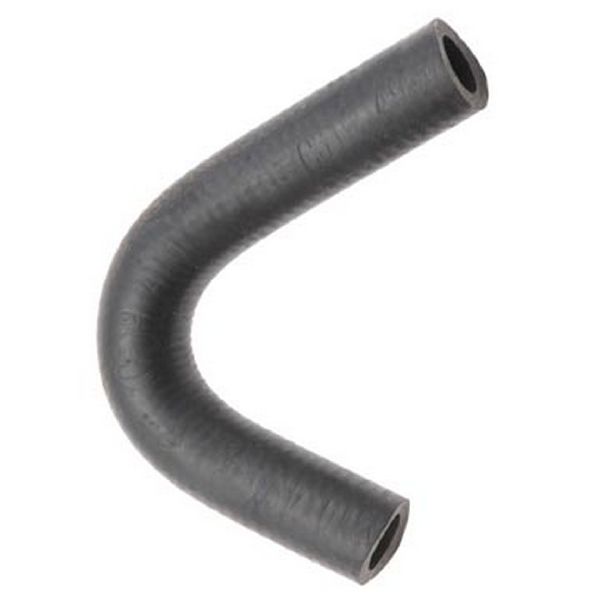
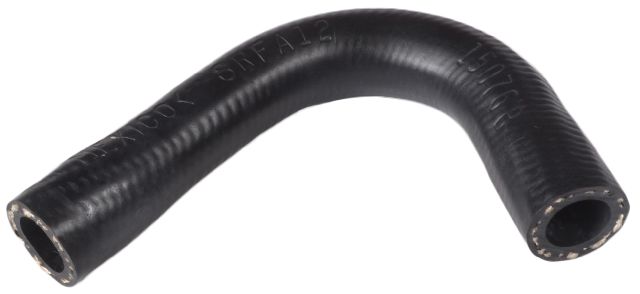
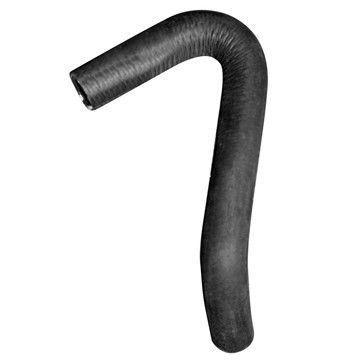
The bypass hose is the flexible rubber part with clamps. The bypass tube is the rigid metal pipe that the hose connects to, which is pressed into the engine's intake manifold or water pump on many F-150 models. The tube is a common source of leaks on these trucks.
🎬 See this walkthrough on inspecting the metal bypass tubeWhat kind of coolant should I use in my F-150?
Coolant specifications changed during this period. Early models often used a green conventional coolant, while later models switched to a gold extended-life coolant. Always check your owner's manual or the label on your coolant reservoir to ensure you use the correct type for your specific year and engine to prevent damage.
Are there any recalls for this part?
No. Searches of the National Highway Traffic Safety Administration (NHTSA) database did not find any safety recalls specifically for the engine coolant bypass hose or tube on 1997-2009 Ford F-150 models.
Helpful Videos
Technical Specifications
OEM Part Numbers: 5L3Z-8597-A 2L3Z-8597-AB XL3Z-8597-AA
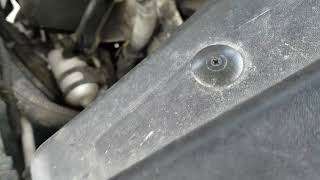
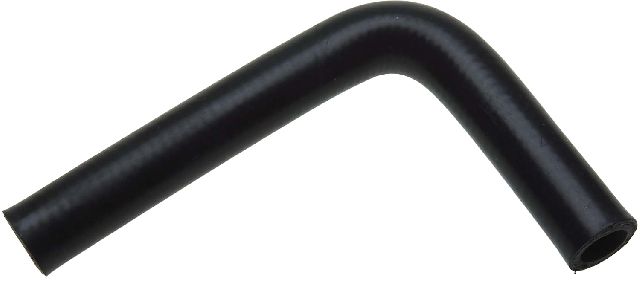
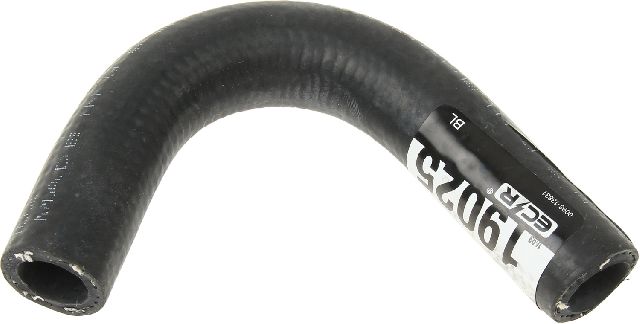
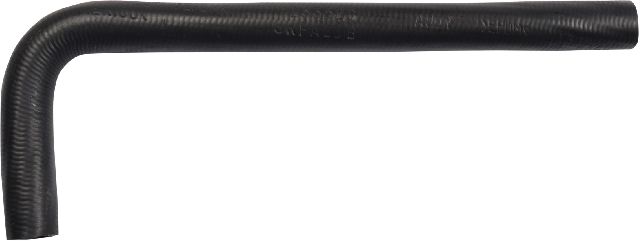
The bypass hose is typically a small, molded rubber hose designed to connect the intake manifold or water pump to another point in the cooling system, allowing coolant to circulate when the thermostat is closed. On many F-150 V8 models, this involves a connection to a pressed-in metal tube.
We Have This Part in Stock

The information in this article is provided for general reference and educational purposes only. Vehicle specifications, procedures, and part compatibility can vary by production date, trim level, and region. Always consult your vehicle's factory service manual and verify part numbers before purchasing or performing repairs. Safety-critical components such as airbags, seat belts, and braking systems should be installed by a qualified professional.
- Ford F-150: