

Hyundai Accent Manifold Absolute Pressure (MAP) Sensor Guide (1997-2010)
Fix poor engine performance and bad fuel economy by choosing the right replacement MAP sensor for your Accent.
- A bad MAP sensor on an Accent typically causes a check engine light, poor fuel economy, rough idle, and hesitation.
- Replacement is a simple DIY task for most owners, usually taking less than 30 minutes with basic tools.
- For best results, choose an OEM-grade aftermarket brand like Bosch or Delphi, as some Hyundais can be sensitive to cheaper sensors.
- Before replacing the sensor, always check for cracked or disconnected vacuum hoses, which can cause identical symptoms.
Understanding the MAP Sensor in Your Accent
The Manifold Absolute Pressure (MAP) sensor is a small but vital component that helps your 1997-2010 Hyundai Accent run smoothly. It provides the main engine computer with information about engine load by reading pressure in the intake manifold. When it fails, the computer receives incorrect data, leading to a host of noticeable engine problems. 🎬 Watch: 10 warning signs of a bad MAP sensor Unlike some sensors, a MAP sensor cannot be repaired and must be replaced when it fails.
Symptoms of a Failing MAP Sensor
A bad MAP sensor will almost always trigger the Check Engine Light, but it also causes other performance issues. You might notice one or more of the following signs:
- Poor Fuel Economy: The engine computer may inject too much fuel based on false readings, causing you to visit the gas station more often.
- Rough Idle: The engine may shake, vibrate, or struggle to maintain a steady RPM when stopped.
- Hesitation or Stalling: Your Accent might stumble during acceleration or stall when you come to a stop.
- Loss of Power: The car may feel sluggish and unresponsive because the air-fuel mixture isn't optimized for acceleration.
- Black Smoke from Exhaust: In some cases, a very rich fuel mixture can result in black smoke coming from the tailpipe.
Choosing the Right Aftermarket MAP Sensor
While a genuine Hyundai sensor is always a safe bet, high-quality aftermarket parts can offer similar performance for less money. However, some Hyundai vehicles are sensitive to aftermarket sensors, so choosing a reputable brand is important. Avoid unbranded, generic parts from online marketplaces, as they often have questionable quality and may fail prematurely.
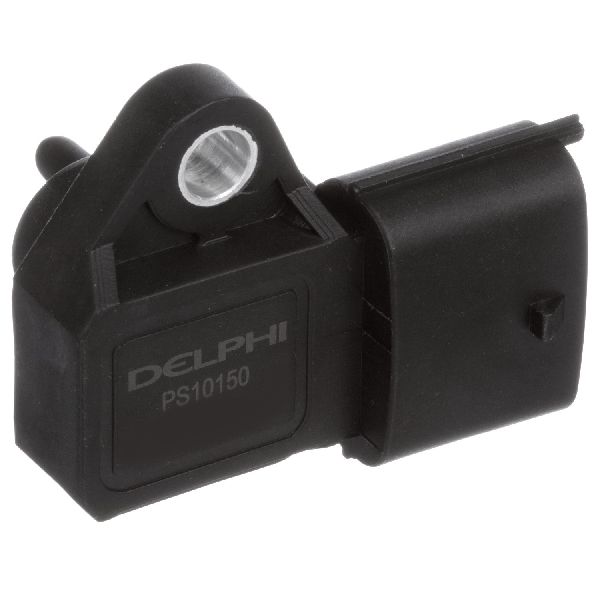
- OEM-Grade Brands (Highest Quality): Brands like Bosch, Delphi, and NGK/NTK are often original equipment manufacturers for Hyundai and other carmakers. These parts are engineered to meet or exceed factory specifications and offer the best reliability.
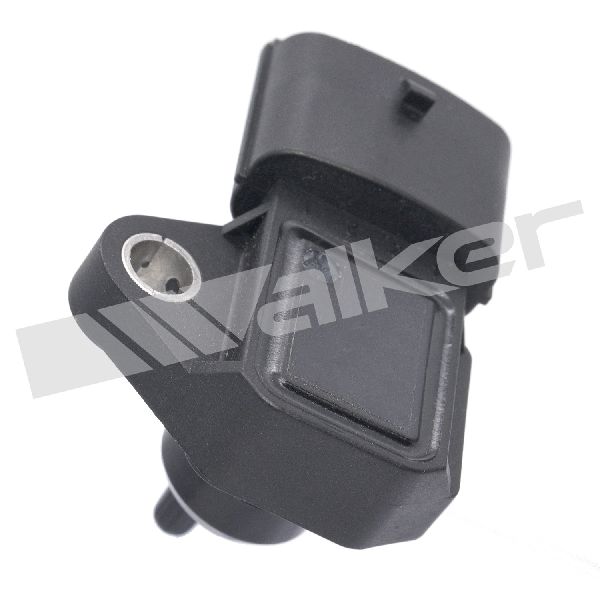
- Professional-Grade Aftermarket (Good Quality): Standard Ignition (SMP) and Walker Products are well-regarded in the industry for producing reliable sensors that provide a good balance of quality and value.
- Standard Aftermarket (Value-Oriented): Brands like Spectra, Facet, and Global Parts offer a more budget-friendly option. While often perfectly functional, their long-term durability can sometimes be less consistent than premium brands.
Estimated Cost Comparison
| Part Type | Estimated Cost |
|---|---|
| New OEM (Hyundai) | $135 - $195 |
| New Aftermarket | $37 - $99 |
| Used OEM | $25 - $50 |
| Shop Labor | $50 - $100 |
Frequently Asked Questions
Where is the MAP sensor located on my Hyundai Accent?
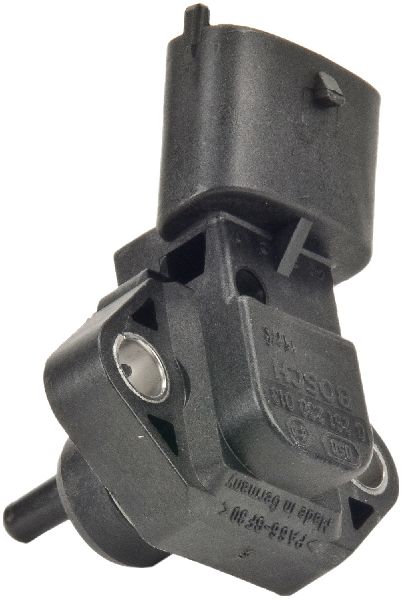
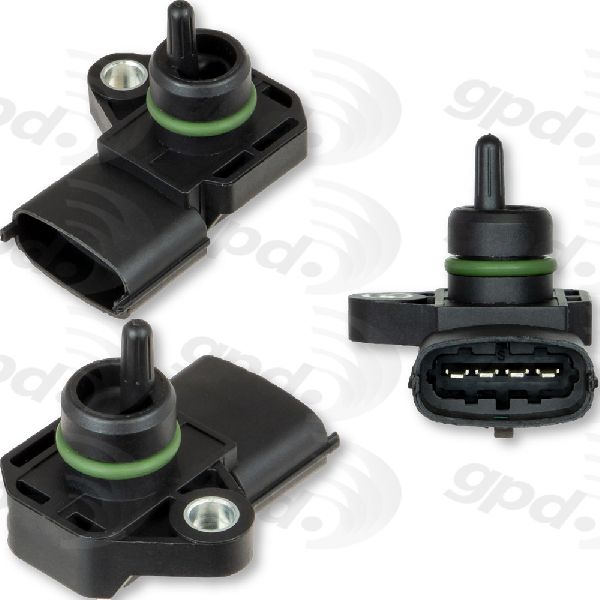
On most 1997-2010 Accent models, the MAP sensor is mounted directly on the intake manifold's surge tank, often on the side facing the firewall (back of the engine bay). It is a small, black plastic sensor with an electrical connector and is typically held in place by a single 10mm bolt or a Phillips head screw.
Can I clean my MAP sensor?
While some sensors like the Mass Airflow (MAF) sensor can sometimes be cleaned, it is generally not recommended for MAP sensors. The internal components are delicate, and cleaning fluids can cause damage. If the sensor is faulty, replacement is the only reliable solution.
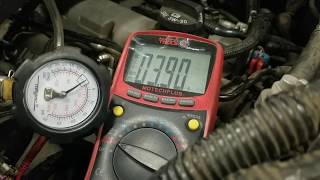
🎬 Learn how to test a MAP sensor before replacing itWhat happens if I ignore a bad MAP sensor?
Continuing to drive with a faulty MAP sensor will lead to consistently poor fuel economy, rough engine performance, and failed emissions tests. Over time, running a constant rich fuel mixture can damage your catalytic converter, leading to a much more expensive repair.
Are there any recalls for the Accent MAP sensor?
As of early 2026, there are no specific recalls issued by the NHTSA for the Manifold Absolute Pressure sensor on 1997-2010 Hyundai Accent models. Any issues with the sensor are considered general maintenance or repair items.
Helpful Videos

Technical Specifications
OEM Part Numbers: 39300-22600 39300-38110
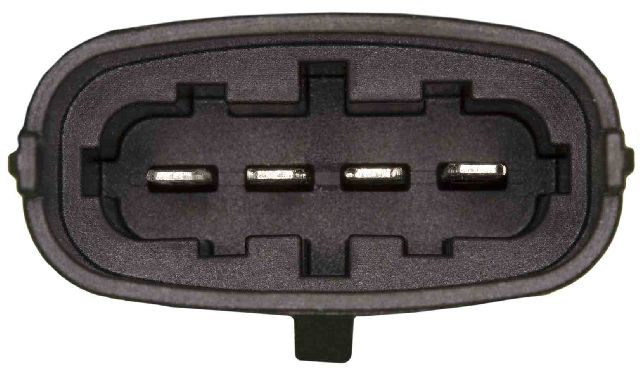
Typically features a 3-pin electrical connector and a single-bolt mounting style. It mounts directly to the intake manifold.
We Have This Part in Stock


The information in this article is provided for general reference and educational purposes only. Vehicle specifications, procedures, and part compatibility can vary by production date, trim level, and region. Always consult your vehicle's factory service manual and verify part numbers before purchasing or performing repairs. Safety-critical components such as airbags, seat belts, and braking systems should be installed by a qualified professional.
- Hyundai Accent: