

Audi A4 Engine Timing Belt and Water Pump: A Complete Guide (1997-2012)
Everything you need to know before replacing the timing belt kit on your B5, B6, or B7 Audi A4.
- This is a critical maintenance job; a failed belt will destroy your interference engine.
- Always replace the entire kit, including the belt, tensioners, idlers, and water pump.
- Use high-quality OEM supplier brands like INA, Continental, or Gates for maximum reliability.
- Know your specific engine code (e.g., 1.8T AWM) and check the recommended interval, as it varies by engine and may have been updated by Audi.
An Ounce of Prevention

For Audi A4 owners with a timing belt, this is the single most important maintenance job you will perform. Unlike a timing chain, which is designed to last the life of the engine, a timing belt is a wear item that requires replacement at a set interval. All A4 engines with a timing belt are interference designs. This means a failed belt will lead to the pistons striking the valves, bending them and potentially destroying your engine's cylinder head or more. 🎬 Watch: See the internal damage caused by a broken timing belt. The cost of a timing belt service is a fraction of the cost of a replacement engine.
Which 1997-2012 A4 Models Have a Timing Belt?

The 1997-2012 model range covers several A4 generations and a switch in technology. It's crucial to know what your specific car has.
- B5 Generation (1997-2001): The 1.8T 4-cylinder and 2.8L V6 engines both use a timing belt.
- B6 Generation (2002-2005): The 1.8T 4-cylinder and 3.0L V6 engines use a timing belt.
- B7 Generation (2005.5-2008): The 2.0T FSI 4-cylinder and 3.2L V6 use a timing belt and timing chain respectively. The 4-cylinder models from 2007-2008 have timing belts, while the V6 models have chains.
- B8 Generation (2009-2012): Most A4s in this generation, particularly those with the common 2.0T engine, switched to a timing chain. This guide does not apply to timing chain engines.
If you are unsure, always verify with your VIN or by inspecting the front of the engine for a plastic timing belt cover.
Choosing the Right Aftermarket Kit: Brand Quality Tiers

Not all kits are created equal. When a part is this critical, quality matters more than saving a few dollars. The brands available can be grouped into tiers based on reputation and owner experiences.
Tier 1: OEM Supplier Quality
These brands are known to be Original Equipment Manufacturers (OEMs) for Audi and other German automakers. A kit from one of these brands often contains the exact same parts you would get from a dealer, just in a different box. You can use these with confidence.
- INA: A top choice for timing components, especially tensioners and bearings. INA sources its belts from other Tier 1 suppliers like Continental or Gates and is highly regarded.
- Continental (ContiTech): A direct OEM supplier to VW/Audi. Their kits are a benchmark for quality and are trusted by professional mechanics.
- Gates: Another major OEM supplier known for high-quality belts and complete kits. They are a globally recognized and trusted brand in the industry.
Tier 2: Reputable Aftermarket
These brands are well-regarded in the aftermarket and offer a solid balance of quality and value. Many mechanics use them without hesitation.
- Hepu: Known for high-quality water pumps, often with durable metal impellers. Their kits are a popular choice.
- Graf: Similar to Hepu, Graf is a respected manufacturer of water pumps.
Tier 3: Standard/Economy
This tier includes other brands that produce parts to fit. While they may offer a lower price point, for a job this critical, most experienced Audi mechanics recommend sticking with Tier 1 or Tier 2 brands to ensure longevity and reliability. Brands like Dayco are known for making good belts, but some users have reported issues with their tensioner quality in kits.
Pro Tip: Always Buy a Complete Kit
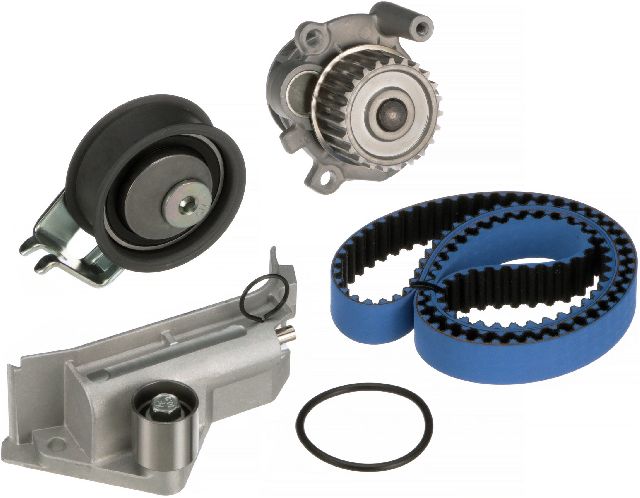
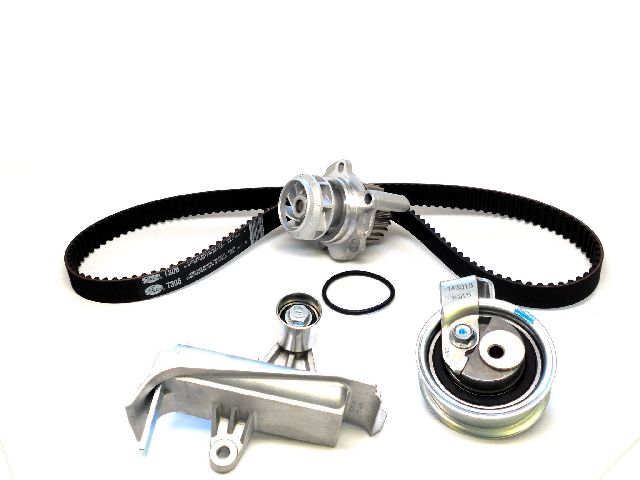
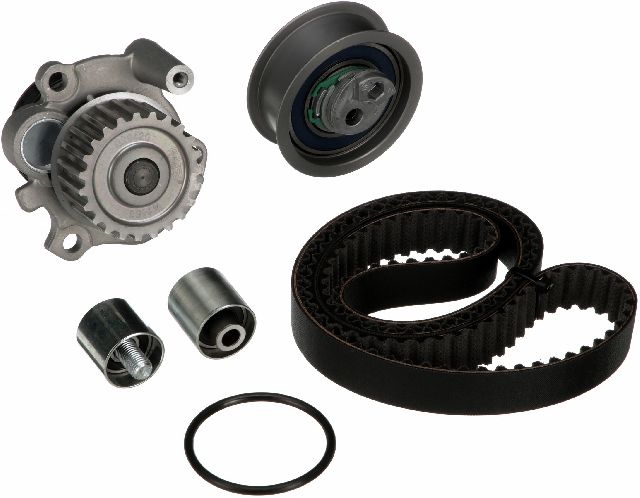
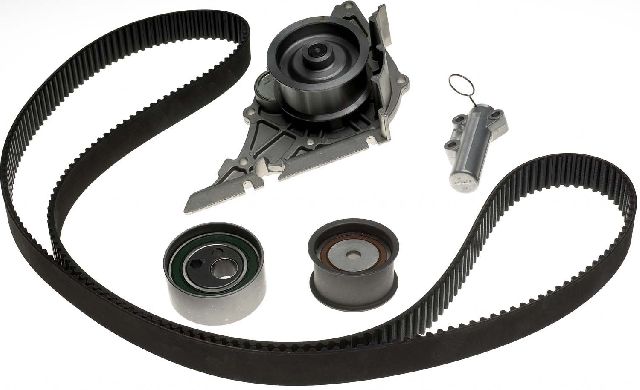
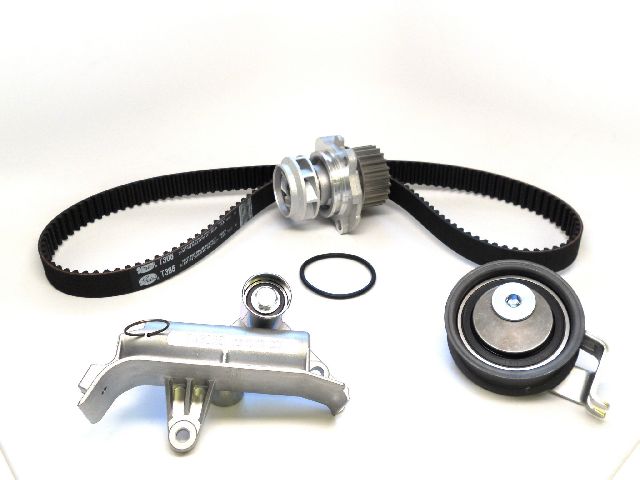
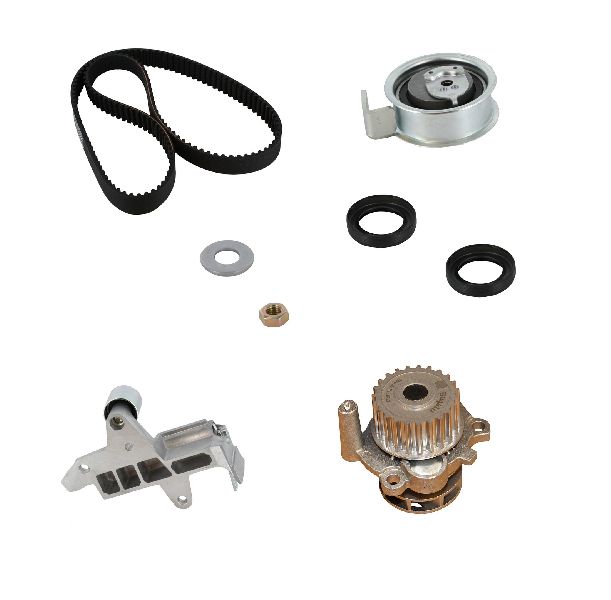
Always purchase a complete kit that includes the belt, tensioner damper, tensioner roller, idler pulleys, and water pump. The labor is the most expensive part of this job, and it is foolish to reuse old components. A failed water pump or tensioner will cause the new belt to fail, leading to the same catastrophic engine damage.
Known Issues, Recalls, and Service Bulletins

For a job this important, it's good to be aware of any factory updates or known problems.
- 3.0L V6 (B6) TSB: Audi issued a Technical Service Bulletin (TSB) that revised the timing belt replacement interval for the 3.0L V6 engine down from 105,000 miles to a more conservative 75,000 miles.
- 1.8T (2000-2003) Warranty Extension: Audi extended the warranty for the timing belt tensioner system on some 2000-2003 A4 1.8T models to 105,000 miles due to reports of tensioner issues. This highlights the importance of replacing the tensioner with an updated, quality part.
- Aftermarket Water Pump Recall (NHTSA 14E007000): Gates recalled certain aftermarket Tru-Flow water pumps (part number TFW 41127) sold at NAPA Auto Parts between August and October 2013. The pulley could develop microfractures, potentially causing the timing belt to fail. This shows the risk of using parts from less-vetted sources.
Common Ordering Mistakes
The 1.8T engine, in particular, had several running changes. Ordering the wrong kit is a common and frustrating mistake.
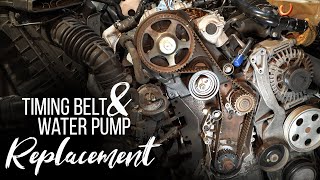
- Check Your Engine Code & VIN: For the B5 and B6 1.8T, there are different kits for different engine codes 🎬 See this step-by-step timing belt and water pump service walkthrough. (like AEB, ATW, AWM) and even VIN splits within the same model year.
- Verify Serpentine Belt: On some models, the accessory serpentine belt length can vary. It is wise to provide your VIN to the seller to ensure you receive the correct one if it's included in a deluxe kit.
| Part / Service | Estimated Cost |
|---|---|
| New Aftermarket Kit (Tier 1/2) | $181.97 - $641.28 |
| New OEM Kit (Dealer) | $500 - $900 |
| Shop Labor | $750 - $1,400 |
| Total Professional Installation | $950 - $2,000+ |
Frequently Asked Questions (FAQ)
When should I replace my A4's timing belt?
It varies by engine. The 3.0L V6 interval was revised to 75,000 miles. The 1.8T is also commonly cited at 75,000 miles. The 2.0T FSI interval is higher, up to 110,000 miles, but many shops recommend replacement around 90,000 miles as a precaution. Age is also a factor; if the belt is over 7-10 years old, it should be replaced regardless of mileage.
Can I just replace the belt and not the other parts?
No. This is a common but critical mistake. The water pump, tensioners, and idlers are all wear items. A failure of any of these components will cause your new belt to fail, resulting in severe engine damage. The cost of the full kit is small compared to the labor cost to do the job twice or replace the engine.
Should I get a water pump with a metal or plastic impeller?
This is a common debate. Early OEM pumps sometimes used plastic impellers that could become brittle. However, modern composite impellers from quality brands are very strong and corrosion-resistant. A cheap metal impeller can be worse than a high-quality composite one. The most important factor is the overall quality of the water pump manufacturer (like Hepu, Graf, or the pump included in an INA/Continental kit), not just the impeller material.
Is this a DIY-friendly job?
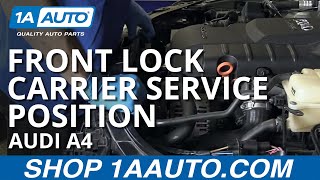
For an experienced home mechanic, yes. It is an involved job that takes 6-8 hours and requires special tools like cam and crank locking pins. The front of the car (lock carrier) needs to be moved into a "service position" to gain access. 🎬 Watch: How to put your Audi into the front service position. Because the engine is an interference design, there is zero room for error. If you are not 100% confident, this job is best left to a professional familiar with Audis.
Helpful Videos

Technical Specifications
OEM Part Numbers: 06B109119A 06B109119F 06C109119C 06B109243E 06B109477A 06C109479A 06C109244 06A121012G 06C121004H
Kit components vary by engine (1.8T, 2.0T, 2.8L V6, 3.0L V6) and vehicle VIN. Key components include a high-strength toothed belt, a hydraulic tensioner damper, a tensioner roller, one or more idler rollers, and a water pump with gasket. Always verify the correct kit for your specific engine code and model year before purchasing.
We Have This Part in Stock

The information in this article is provided for general reference and educational purposes only. Vehicle specifications, procedures, and part compatibility can vary by production date, trim level, and region. Always consult your vehicle's factory service manual and verify part numbers before purchasing or performing repairs. Safety-critical components such as airbags, seat belts, and braking systems should be installed by a qualified professional.
- Audi A4:
- 🎬 Helpful Videos
- 🛍️ Shop This Part
- An Ounce of Prevention
- Which 1997-2012 A4 Models Have a Timing Belt?
- Choosing the Right Aftermarket Kit: Brand Quality Tiers
- Pro Tip: Always Buy a Complete Kit
- Known Issues, Recalls, and Service Bulletins
- Common Ordering Mistakes
- Frequently Asked Questions (FAQ)
- 🎟️ Get 5% Off