

Ford Ranger (1997-2012) Automatic Transmission Output Shaft Speed Sensor Guide
Fixing erratic shifting or a dead speedometer on your Ford Ranger often starts with this simple sensor.
- A bad output speed sensor is a common cause of erratic shifting, a dead speedometer, and a flashing O/D light on 1997-2012 Rangers.
- The sensor is located on the driver's side of the transmission's rear housing and is held by one bolt, making it a simple DIY replacement.
- Use a quality aftermarket brand like NGK/NTK or Standard Ignition, or stick with the OEM Motorcraft part for best results.
- Verify the diagnostic trouble code with a scanner; codes P0720 and P0722 are strong indicators of a failed sensor.
Is a Bad Output Speed Sensor Causing Your Ranger's Problems?

If you own a 1997-2012 Ford Ranger, you have a tough, reliable truck. But like any vehicle, parts can wear out. A common failure point that can cause a lot of headaches is the automatic transmission output shaft speed sensor (OSS). The good news is that it's usually an easy and affordable part to replace. Before you start ordering parts, you need to be sure the sensor is the problem. Look for these classic symptoms.
🎬 Watch: How a faulty sensor causes flashing lights and hard shifts.Key Failure Symptoms
- Erratic Shifting: The transmission may shift at the wrong times, shift too hard, or feel like it's slipping.
- Flashing Overdrive (O/D) Light: A flashing O/D light on the dash is a common sign the transmission computer has detected a fault, often related to this sensor.
- Inoperative Speedometer: Your speedometer may stop working entirely or jump around erratically.
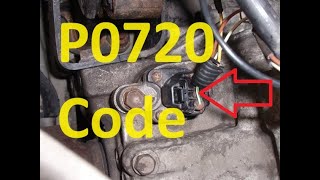
- Check Engine Light: The sensor failing will often trigger a check engine light and store diagnostic trouble codes (DTCs) like P0720, P0721, or P0722. 🎬 See how to diagnose and fix the P0720 error code.
- Cruise Control Not Working: The cruise control system relies on the speed signal, so it will not engage if the signal is missing or incorrect.
Choosing the Right Aftermarket Sensor

When it comes to electronic sensors, quality matters. A cheap, poorly made sensor can fail quickly or provide inaccurate readings, leaving you with the same problems. For a critical part like the OSS, it's best to stick with reputable brands.
- Motorcraft (OEM): This is Ford's own brand and the original part your truck was built with. It's the benchmark for fit and performance. If you want to be 100% certain of compatibility and quality, Motorcraft is the safest choice.
- NGK/NTK: NTK is the sensor division of NGK. They are a highly respected original equipment manufacturer for many car brands and are known for producing top-tier sensors that meet or exceed OEM quality. They are an excellent alternative to Motorcraft.
- Standard Motor Products (SMP): Standard is a long-standing aftermarket brand that offers a wide range of parts. They are generally considered a reliable choice, offering a good balance of quality and price.
Cost of Replacing the Sensor
This is one of the more affordable repairs you can make on your Ranger. The part itself is not expensive, and the labor is minimal for a professional mechanic. Many owners choose to do it themselves.
| Item | Estimated Cost |
|---|---|
| New Aftermarket Part | $33.87 - $45.51 |
| New OEM (Motorcraft) Part | $35 - $60 |
| Shop Labor | $62 - $90 |
| Total Professional Replacement | $100 - $150 |
Frequently Asked Questions

Where is the output speed sensor located on my Ford Ranger?
The automatic transmission output speed sensor is located on the driver's side of the transmission, toward the rear, on the tailshaft housing. On 4-wheel drive models, it's near where the transmission bolts to the transfer case. It is held in by a single bolt (usually a T30 Torx or 10mm hex) and has an electrical connector.
Can I replace this sensor myself?
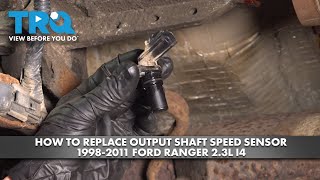
Yes, this is a very DIY-friendly job for most owners. It typically requires only basic hand tools, and you can access it from under the truck. The process involves disconnecting the electrical plug, removing one bolt, and pulling the old sensor out. 🎬 Follow this step-by-step walkthrough to replace the sensor yourself. Be sure to lubricate the O-ring on the new sensor with some clean transmission fluid before installing it.
Are there any recalls or TSBs for this issue?
While there was a recall in some markets for newer Rangers (2011+) with the 6R80 transmission for an OSS fault that could cause a sudden downshift, it does not apply to the 1997-2011 models covered in this guide. No widespread recalls or specific Technical Service Bulletins (TSBs) for the OSS sensor on the 1997-2012 Ranger with the 5R44E/5R55E transmissions are commonly noted, as failure is typically due to age and wear.
What's the difference between the Output Speed Sensor and the Vehicle Speed Sensor (VSS)?
On 2001 and newer Rangers, the Output Shaft Speed (OSS) sensor essentially serves as the Vehicle Speed Sensor (VSS). The OSS sends its raw signal to the truck's computer (PCM), which then processes it to control the transmission and the speedometer. On older models, these functions were sometimes handled by separate sensors, but for this generation, they are effectively the same function from one component.
Helpful Videos
Technical Specifications
OEM Part Numbers: DY1206 6L5Z-7H103-B 4L5Z-7H103-AA
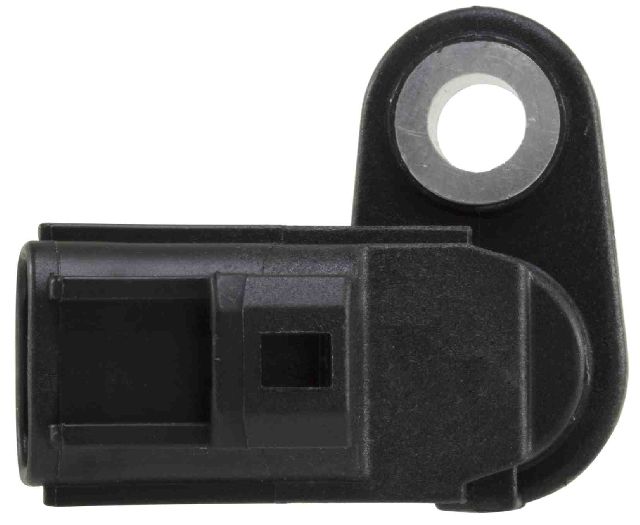
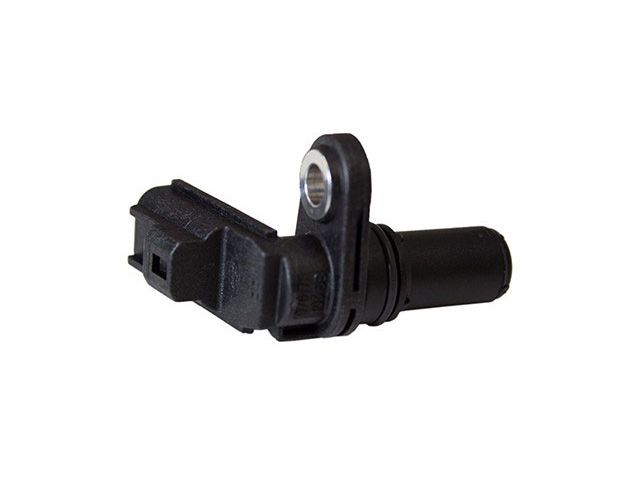
2-pin electrical connector, single bolt mount (T30 Torx or 10mm hex), includes O-ring seal.
We Have This Part in Stock


The information in this article is provided for general reference and educational purposes only. Vehicle specifications, procedures, and part compatibility can vary by production date, trim level, and region. Always consult your vehicle's factory service manual and verify part numbers before purchasing or performing repairs. Safety-critical components such as airbags, seat belts, and braking systems should be installed by a qualified professional.
- Ford Ranger: