

Ford Expedition 1997-2017 HVAC Blower Motor Switch & Resistor Guide
If your Expedition's fan isn't working right, the switch or resistor might be the problem.
- A fan that only works on high is almost always a bad blower motor resistor, not the switch.
- Inspect the wiring connector for melting; an old blower motor can draw too much power and damage new parts.
- For 2015-2017 models, check if your vehicle is part of the blower motor fire risk recall (22S56).
- Some generic aftermarket resistors may not work correctly; using a quality brand like Standard Ignition or an OEM part is recommended.
Diagnosing Your Expedition's Blower Problems
When your Ford Expedition's fan acts up, it's often due to one of three parts: the blower motor switch on the dash, the blower motor resistor (or module) behind the glove box, or the blower motor itself. Understanding the symptoms can help you figure out which part has failed.
Common Failure Symptoms
- Fan Only Works on High: 🎬 Watch how to fix a fan only working on high. This is the most common symptom and almost always points to a failed blower motor resistor, not the switch. The highest fan setting bypasses the resistor, so it still works even when the resistor's circuits for lower speeds have burned out.
- No Fan on Any Speed: If the fan doesn't work at all, the problem could be the switch, the resistor, the blower motor itself, or a bad electrical connection. Wiggling the wires under the glovebox can sometimes make the fan work temporarily, pointing to a loose or corroded connector.
- Intermittent Operation: 🎬 See how to troubleshoot an intermittent blower fan issue. A fan that works some of the time and cuts out randomly often indicates a failing blower motor that is drawing too much power, a poor ground connection, or a loose wiring harness. The wiring connector can get very hot and even melt, which is a common issue.
- Switch Feels Broken or Unresponsive: If the physical switch on your dash feels loose, is stuck, or doesn't "click" into each position, the switch itself is likely broken and needs replacement.
Important: Check the Blower Motor Resistor First
Before replacing the switch, it's critical to correctly diagnose the issue. Most fan speed problems, especially the fan only working on high, are caused by the blower motor resistor (also called a speed control module). This part is located behind the glove box and is a very common failure point on Expeditions. Replacing the switch when the resistor is the actual problem will not fix your issue.
Choosing an Aftermarket HVAC Blower Switch
For a part like the HVAC blower motor switch, an aftermarket replacement from a quality brand is a reliable and cost-effective choice. The original equipment (OEM) switches do not have a history of widespread premature failure, but they can wear out over time.
Standard Ignition (Standard Motor Products): This is a well-regarded aftermarket brand known for producing parts that meet or exceed original specifications. Their switches use quality materials like copper alloy conductors to ensure good performance and longevity. For a non-critical component like a dashboard switch, a Standard Ignition part offers a good balance of quality and value compared to a more expensive OEM part from a dealer.
Pro Tip: When replacing a failed resistor or switch, inspect the wiring connector for signs of melting, browning, or corrosion. An aging blower motor can draw too much electrical current, overheating and damaging the new resistor or switch. If your Expedition has high mileage, consider replacing the blower motor, resistor, and wiring pigtail at the same time to prevent repeat failures.
Cost of Replacing a Ford Expedition Blower Motor Switch
| Part Type | Estimated Cost |
|---|---|
| New Aftermarket (e.g., Standard Ignition) | $32 - $66 |
| New OEM (Motorcraft) | $80 - $130+ |
| Shop Labor | $60 - $120 |
Frequently Asked Questions
Why do my fan speeds not work after I replaced the resistor?
Some Expedition owners have reported that certain generic aftermarket resistors do not work correctly, causing the fan to stay stuck on high or not work at all. If you experience this, the issue may be the quality of the aftermarket part. Using a higher-quality aftermarket brand or an OEM Motorcraft resistor often solves the problem. Also, check for a poor ground connection, which was the subject of a Technical Service Bulletin (TSB) for 2007-2008 models.
Is there a recall on the blower motor system?
Yes, Ford issued a major safety recall (NHTSA #22V648, Ford #22S56) for the front blower motor in 2015-2017 Ford Expeditions due to a risk of the motor overheating and causing an interior fire. This recall is for the motor itself, not the switch or resistor. However, a failing motor can damage the resistor and its wiring. Owners of affected years should contact a Ford dealer to have the recall service performed.
Where is the blower motor switch located?
The blower motor switch is the control knob or button set on your dashboard's climate control panel that you use to adjust fan speed. This is different from the blower motor resistor/module, which is located behind the passenger side glove box.
Can I replace the blower motor switch myself?
Replacing the switch in the dash can be moderately difficult as it often requires removing parts of the dashboard trim to access it. Replacing the blower motor resistor, however, is a much easier job, typically requiring only an 8mm socket and about 30 minutes of work behind the glove box.
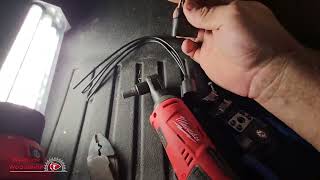
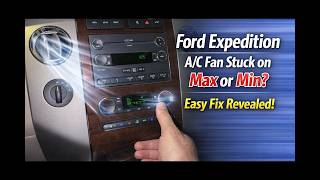
🎬 Follow this step-by-step guide to replace your blower motor resistor.Helpful Videos
Technical Specifications
OEM Part Numbers: 7C3Z19986A
The HVAC Blower Motor Switch is the user interface on the dashboard that controls fan speed. It sends a signal to the blower motor resistor or control module. Different switches exist for manual and automatic climate control systems. The related blower motor resistor is located behind the passenger glove box and is held in by two 8mm screws.
We Have This Part in Stock


The information in this article is provided for general reference and educational purposes only. Vehicle specifications, procedures, and part compatibility can vary by production date, trim level, and region. Always consult your vehicle's factory service manual and verify part numbers before purchasing or performing repairs. Safety-critical components such as airbags, seat belts, and braking systems should be installed by a qualified professional.
- Ford Expedition: