

Ford Explorer Transmission Range Sensor Guide (1997-2019)
Having trouble starting your Explorer or dealing with erratic gear selection? Your Transmission Range Sensor might be the culprit.
- The most common symptom is the engine not starting in Park but starting in Neutral (or vice-versa).
- Confirm you have the correct part; there is a design change between the 2010 and 2011 model years.
- If you replace it yourself on a pre-2011 model, proper alignment of the new sensor is critical for it to work correctly.
- Before replacing the sensor, inspect the wiring harness for corrosion or damage, as this can cause the same symptoms.
Symptoms of a Failing Transmission Range Sensor in a Ford Explorer


A bad transmission range sensor (TRS) can make you think you have a major transmission problem. Before you panic, check if your Explorer is showing any of these common signs:
- No Start in Park or Neutral: This is the most classic symptom. Your Explorer might refuse to crank in Park but will start when you shift to Neutral, or vice-versa. An owner of a 2001 Explorer reported this exact issue.
- Engine Won't Start at All: If the sensor fails completely, it may not send any signal, preventing the engine from cranking no matter what gear you're in. This can be mistaken for a dead battery or a bad starter.
- Starts in Any Gear: This is a serious safety hazard. If the sensor shorts out, it might allow the engine to start in Reverse or Drive, causing the vehicle to lurch unexpectedly.
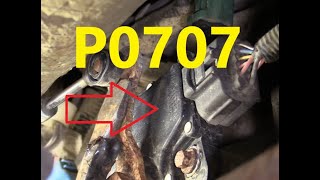
- Check Engine Light: A failing TRS will often trigger a check engine light. Common trouble codes include P0705 (Transmission Range Sensor Circuit Malfunction), P0707 (Circuit Low Input), and P0708 (Circuit High Input).
- Incorrect Gear Display: The gear indicator on your dashboard (PRNDL) might not match the gear you've selected, or it may not display a gear at all.
- Erratic Shifting: Your Explorer might shift harshly, get stuck in one gear (known as "limp mode"), or feel like it's shuddering between shifts.
Vehicle-Specific Issues for Ford Explorer
While the sensor itself can fail, Explorers can have other issues that mimic a bad TRS. On some 2011-2019 models, like a 2014 Explorer, a broken or corroded wire in the engine harness has been found to cause TRS codes and shifting problems, even when the sensor is good. For older models, a new sensor might not always be the fix; forum members with 90s Explorers have reported that wiring shorts or even a bad Powertrain Control Module (PCM) can cause the same P0707 code. It's wise to inspect the wiring harness near the transmission for damage before replacing the part.
No direct recalls for the transmission range sensor were found for 1997-2019 models. However, later 2020-2022 models were recalled for a rear axle bolt issue where the fix involved a software update that sometimes caused other erratic transmission behavior.
Choosing an Aftermarket Replacement Sensor

For the 1997-2019 Ford Explorer, there are two main aftermarket brands available for the transmission range sensor: Dorman and Standard Ignition (Standard Motor Products). Your choice depends on your budget and priorities.
Brand Tiers
- Dorman: Dorman is a well-known brand that offers a budget-friendly option. They are known for making parts that are no longer available from the OEM, sometimes with design improvements. However, online forums show mixed reviews on the quality of their electronic parts, with some considering them a last-resort option while others have used them without issue. The Dorman 511-111 is listed for 2011-2019 models.
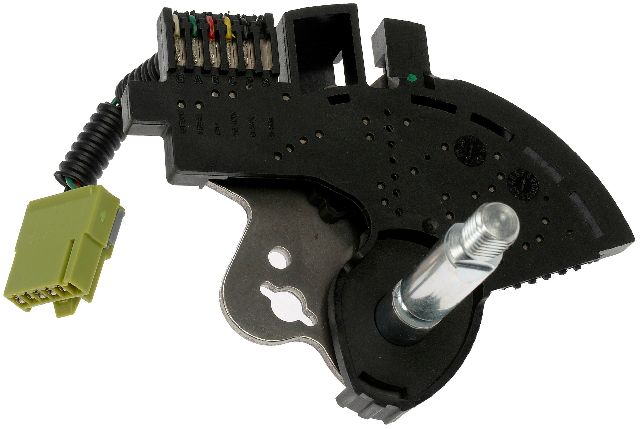
- Standard Ignition (SMP): Standard Motor Products is generally considered a premium aftermarket brand with a reputation for quality that is often closer to OEM standards. They emphasize robust design and 100% testing of their switches for both mechanical and electrical performance. If you prefer to pay a little more for added peace of mind, SMP is a solid choice. The Standard Motor Products NS-129 fits many 1997-2010 Explorers.
Make Sure You Get the Right Part!
The transmission range sensor for the Ford Explorer is different depending on the generation. There is a significant part split around the 2010/2011 model year when the Explorer platform changed.
- 1997-2010 Ford Explorer: Uses a part like the Standard Motor Products NS-129.
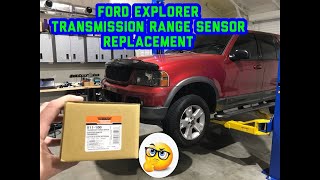
- 2011-2019 Ford Explorer: Uses a different part, such as the Dorman 511-111.
Always verify the part number fits your exact year and engine configuration before ordering.
Cost of Replacing a Ford Explorer Transmission Range Sensor
| Part Type | Estimated Cost |
|---|---|
| New Aftermarket Part | $69.84 - $98.98 |
| New OEM Part | $150 - $250 |
| Shop Labor | $100 - $200 |
| Total Professional Replacement | $170 - $450 |
Frequently Asked Questions
Can I replace the transmission range sensor myself?
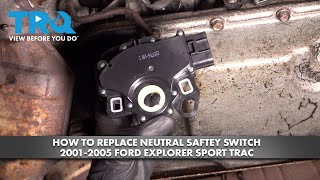
Yes, this is a very DIY-friendly job for most home mechanics. The sensor is located on the outside of the transmission case, making it accessible without removing the transmission. The process involves disconnecting the battery, removing the shift lever and electrical connector, unbolting the old sensor, and installing the new one. The most critical step on older models is aligning the new sensor correctly; there are marks on the sensor that must be lined up while the transmission is in Neutral.
Where is the transmission range sensor located on my Explorer?
The sensor is mounted externally on the transmission housing, where the shift linkage from the gear selector attaches. You will need to safely raise the vehicle or access it from the top, depending on the model year, to get to it. On some models, it is located between the battery box and the engine.
What's the difference between a Transmission Range Sensor and a Neutral Safety Switch?
They are often the same part, and the names are used interchangeably. Older vehicles used a simple "Neutral Safety Switch" that only performed the safety function of preventing starts in gear. Newer vehicles use a more complex "Transmission Range Sensor" that provides precise gear position data to the computer for shift control, in addition to the safety function.
Will a new sensor definitely fix my problem?
Not always. While the sensor is the most common cause, the problem could also be a misadjusted shift cable, corroded wiring, a bad connector, or in rare cases, a faulty computer (PCM). It's a good idea to inspect the wiring and connector for any obvious damage before you buy a new part.
Helpful Videos

Technical Specifications
OEM Part Numbers: 9E9Z-7H557-B 7T4Z-7H557-A
Location: External, on transmission case. Also known as: Neutral Safety Switch, PRNDL Switch, Inhibitor Switch. Common Aftermarket Part Numbers: Standard Motor Products NS-129 (1997-2010), Dorman 511-111 (2011-2019).
We Have This Part in Stock


The information in this article is provided for general reference and educational purposes only. Vehicle specifications, procedures, and part compatibility can vary by production date, trim level, and region. Always consult your vehicle's factory service manual and verify part numbers before purchasing or performing repairs. Safety-critical components such as airbags, seat belts, and braking systems should be installed by a qualified professional.
- Ford Explorer:
- 🎬 Helpful Videos
- 🛍️ Shop This Part
- Symptoms of a Failing Transmission Range Sensor in a Ford Explorer
- Vehicle-Specific Issues for Ford Explorer
- Choosing an Aftermarket Replacement Sensor
- Brand Tiers
- Make Sure You Get the Right Part!
- Cost of Replacing a Ford Explorer Transmission Range Sensor
- Frequently Asked Questions
- 🎟️ Get 5% Off